
We present a report by APA’s Russia bureau from Kaliningrad and the Russia-Poland border.
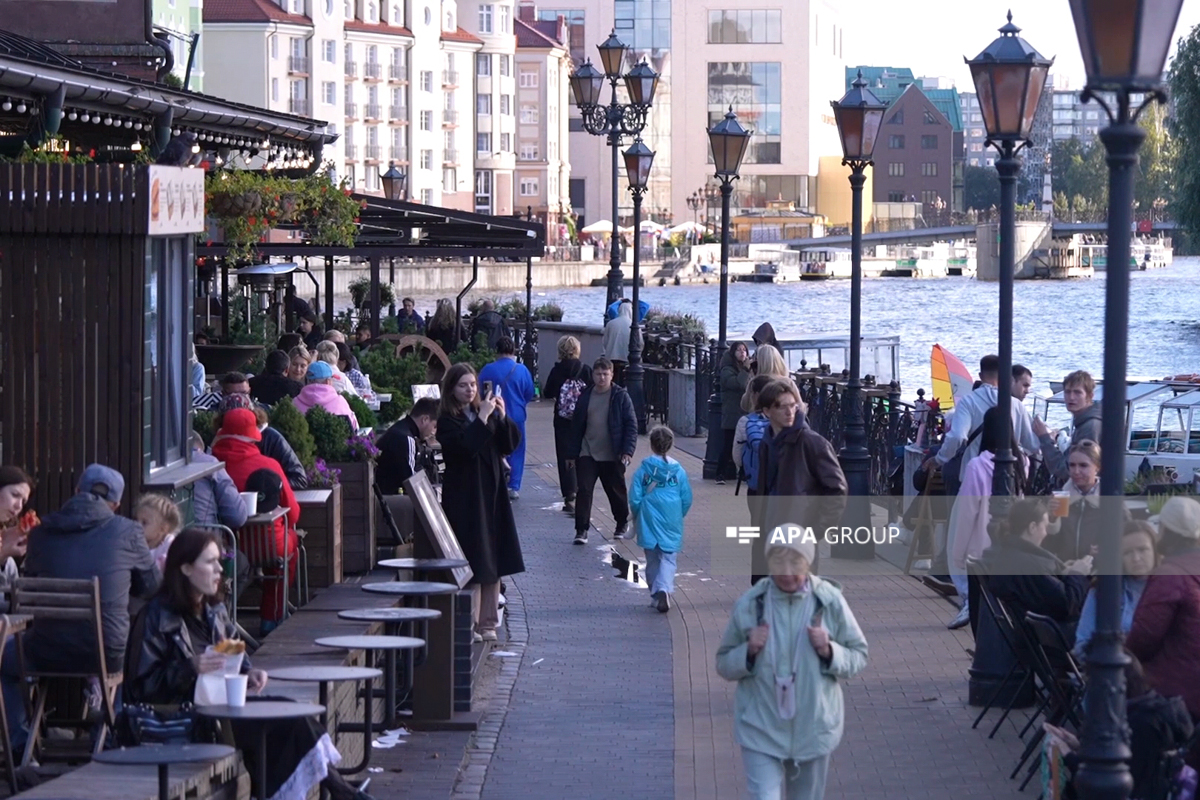
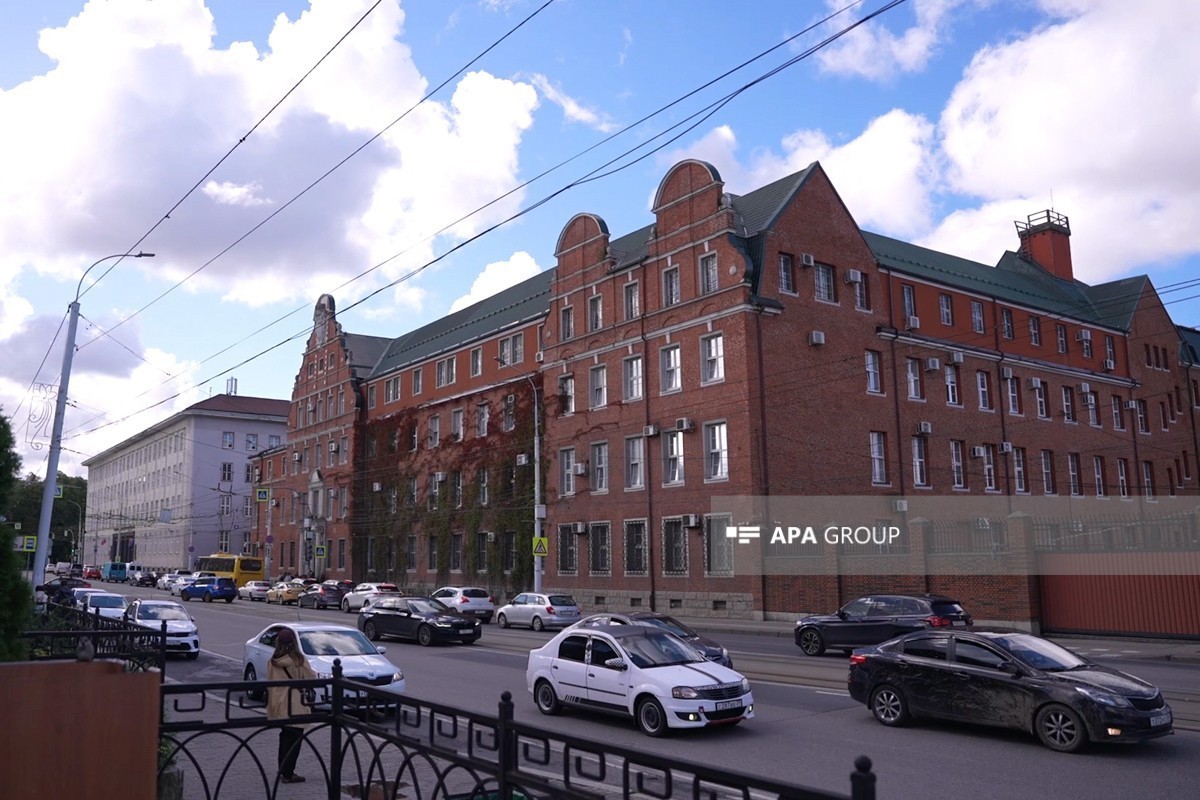
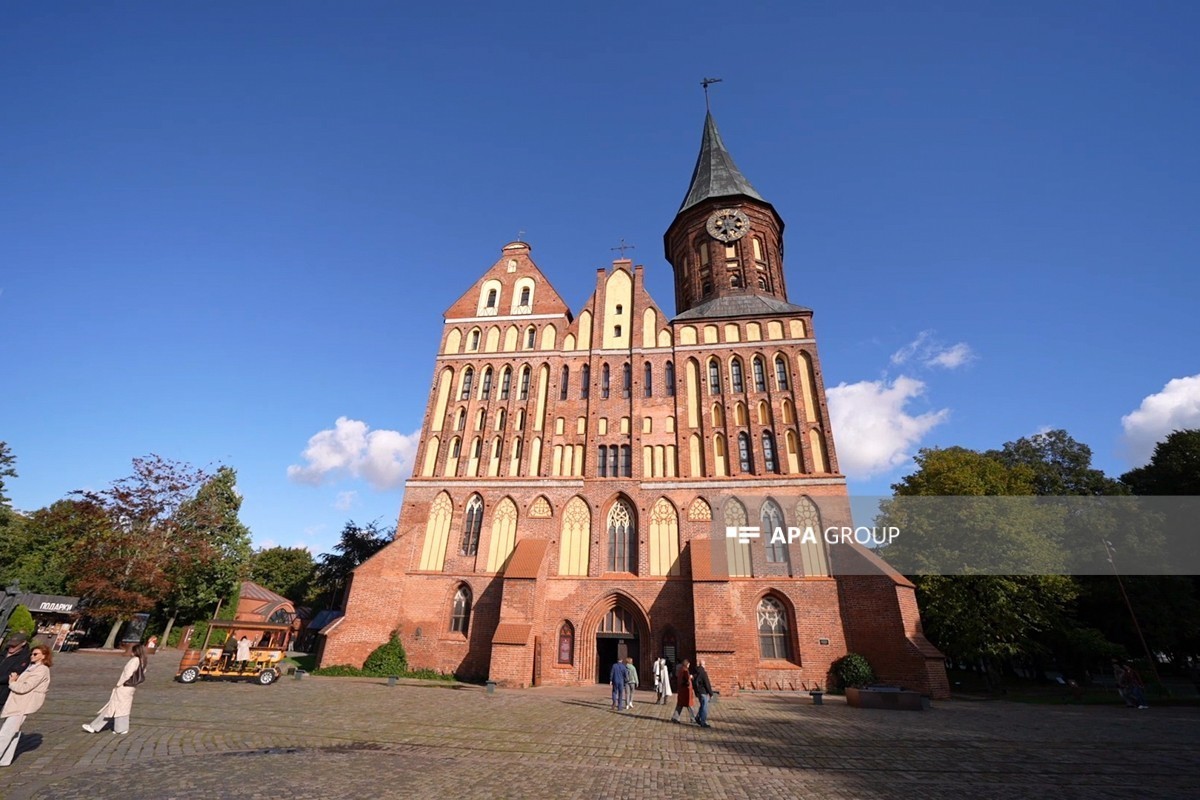
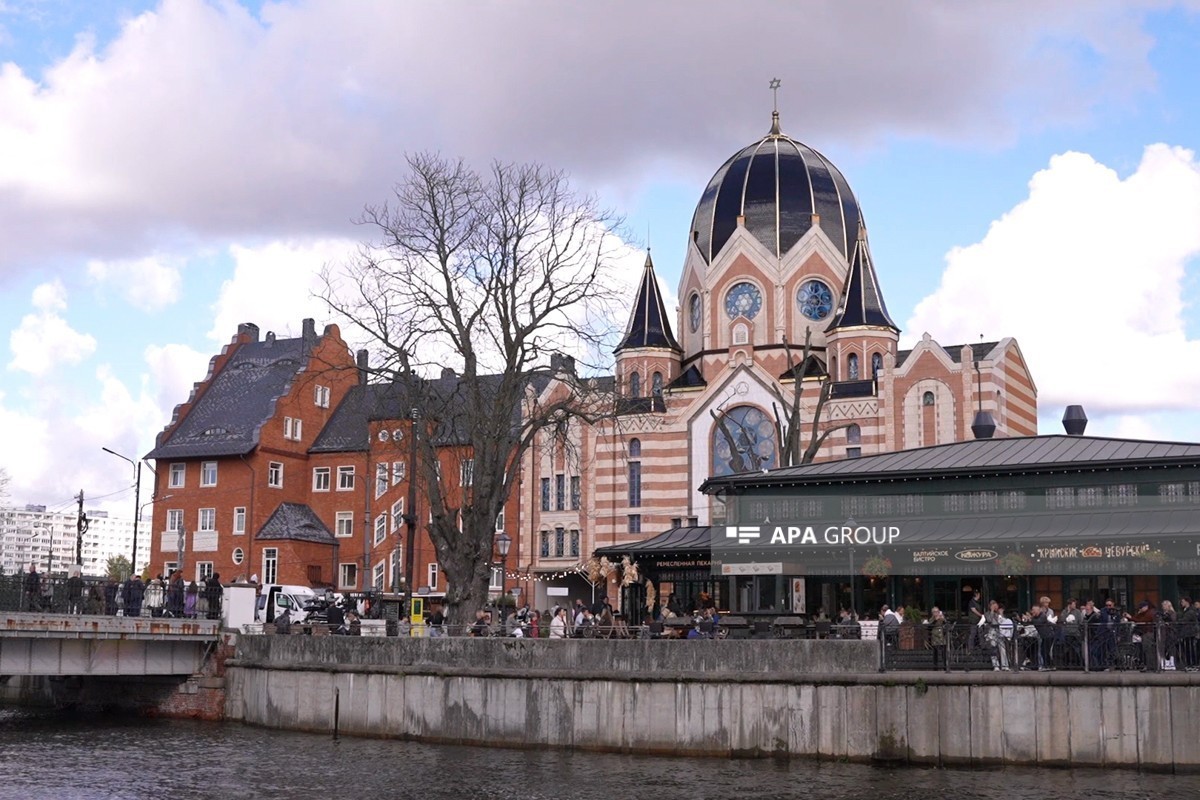
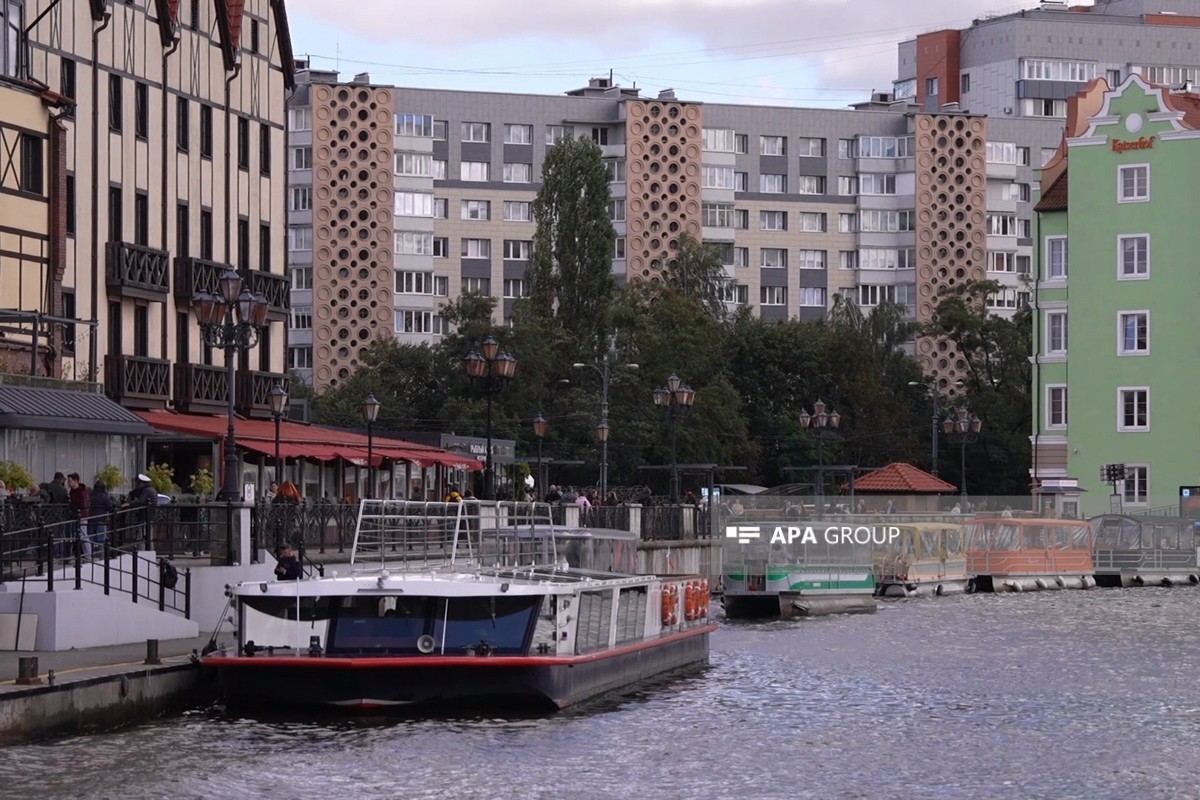
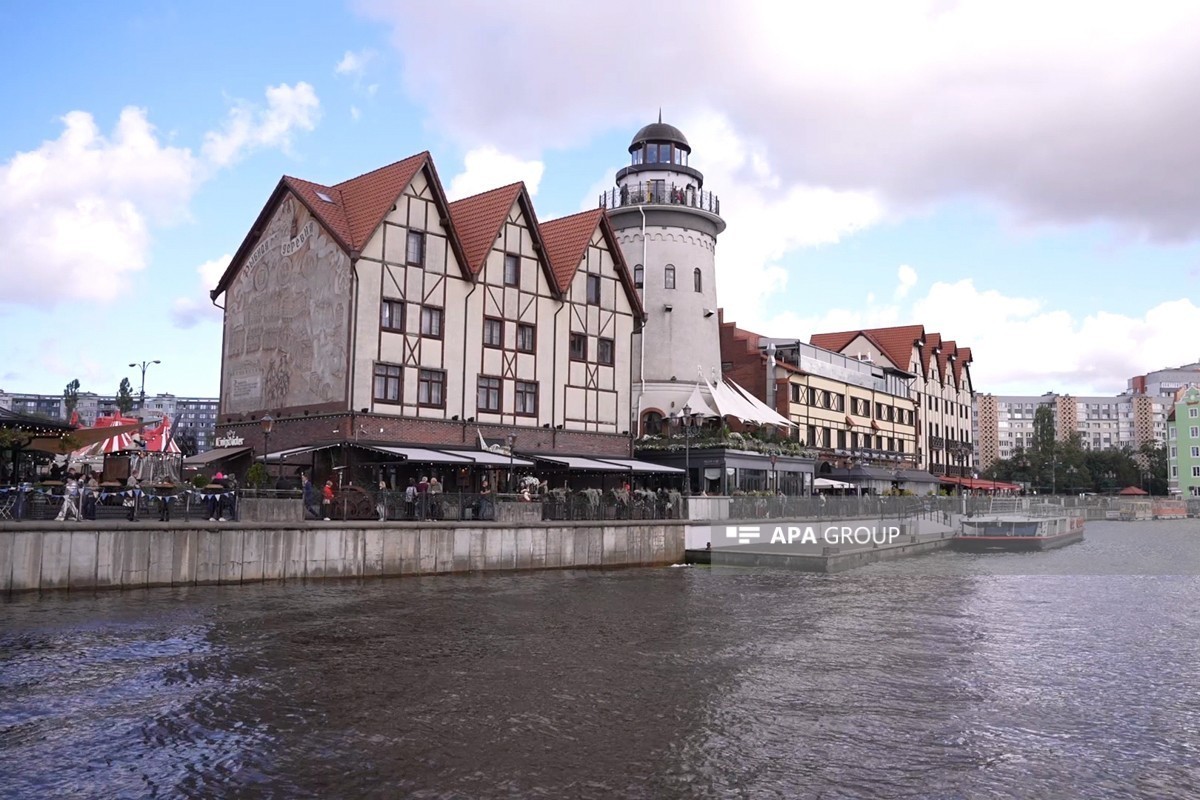
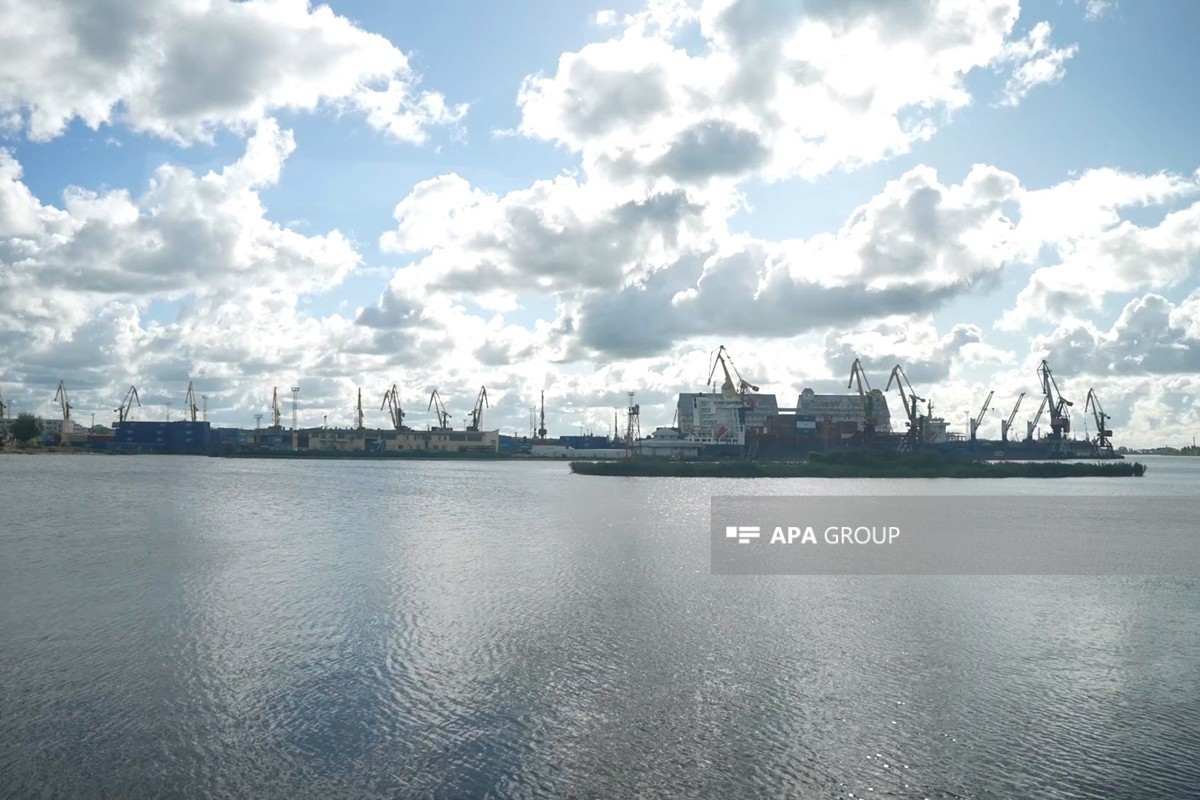
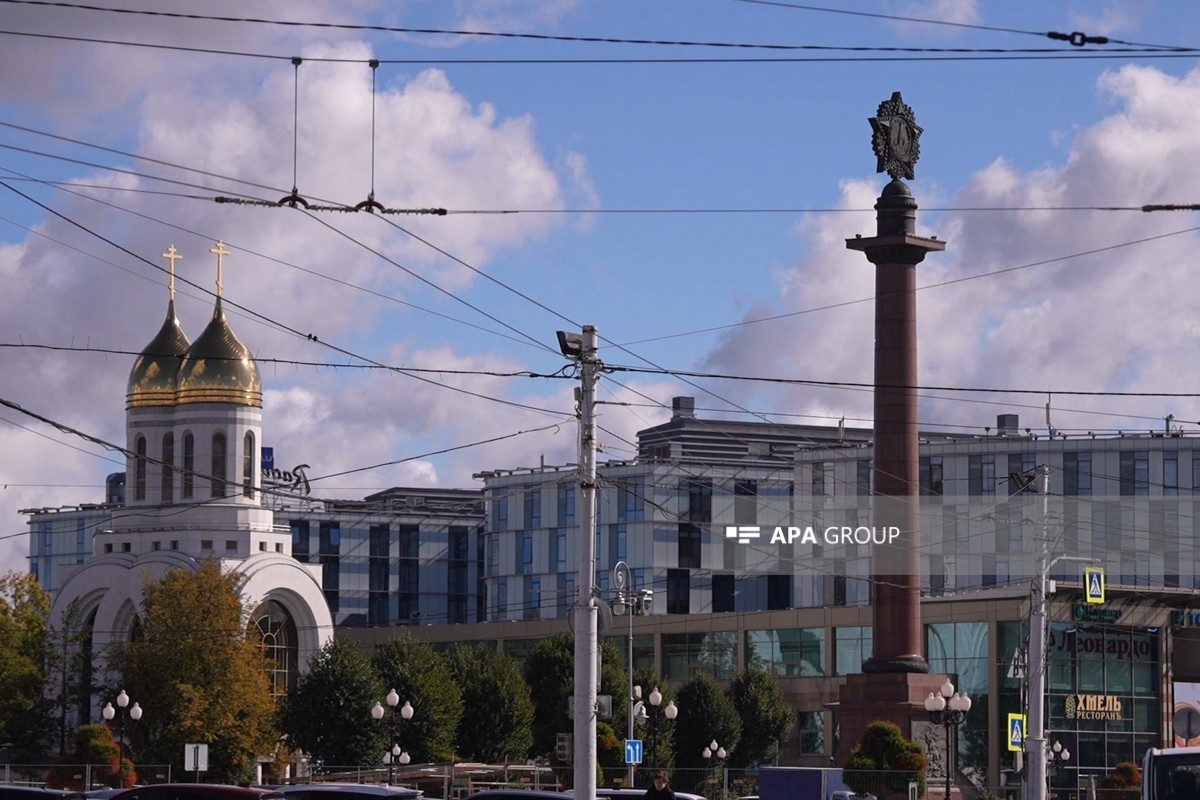
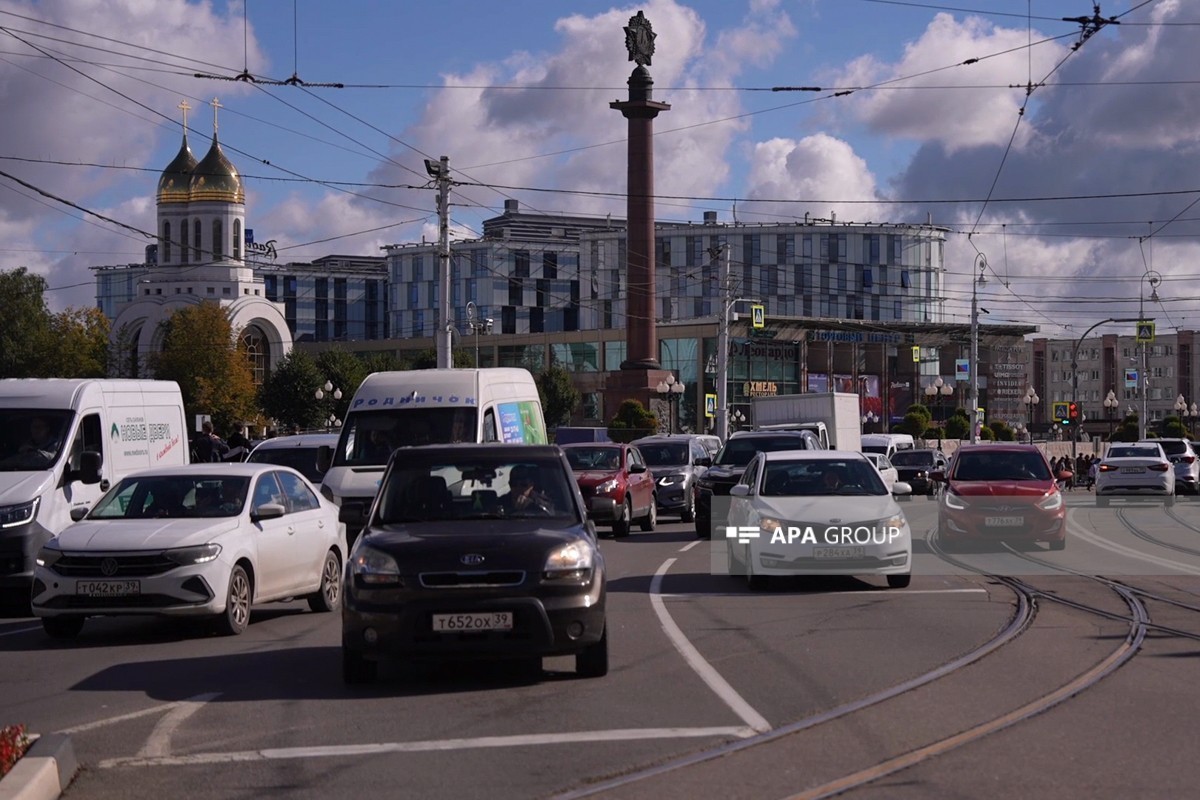
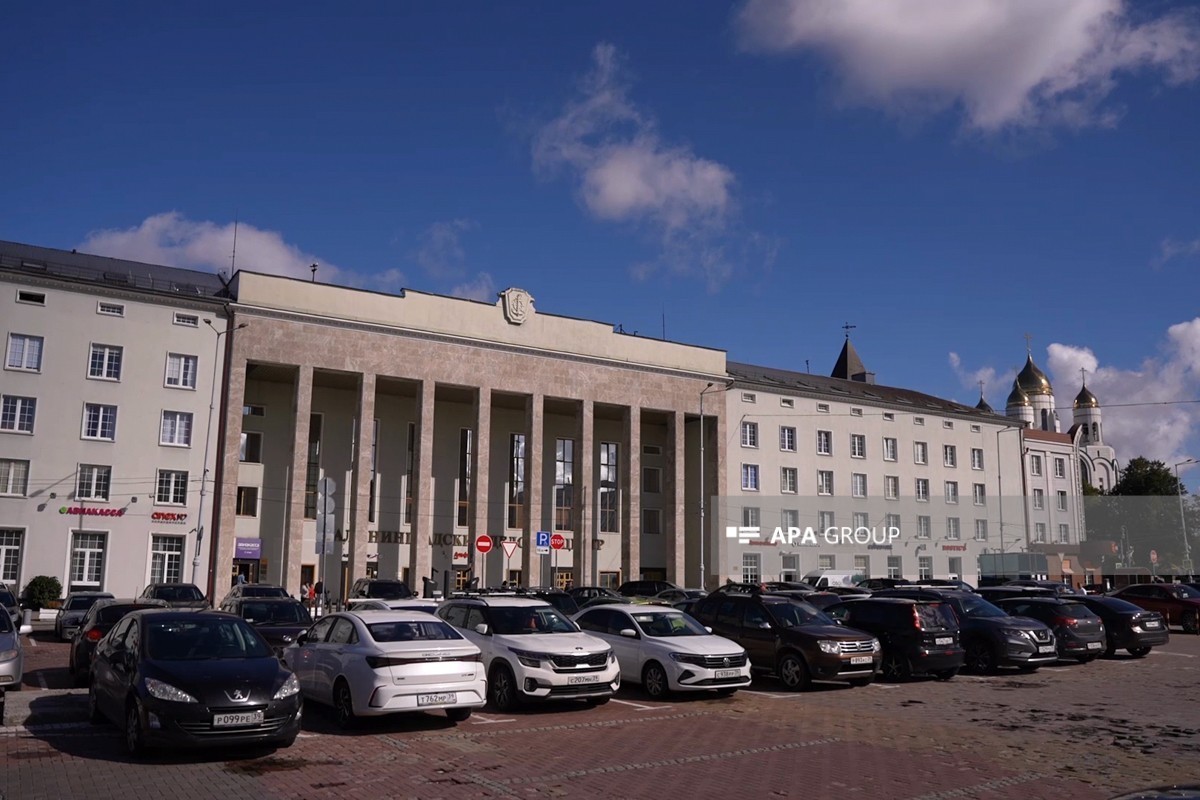
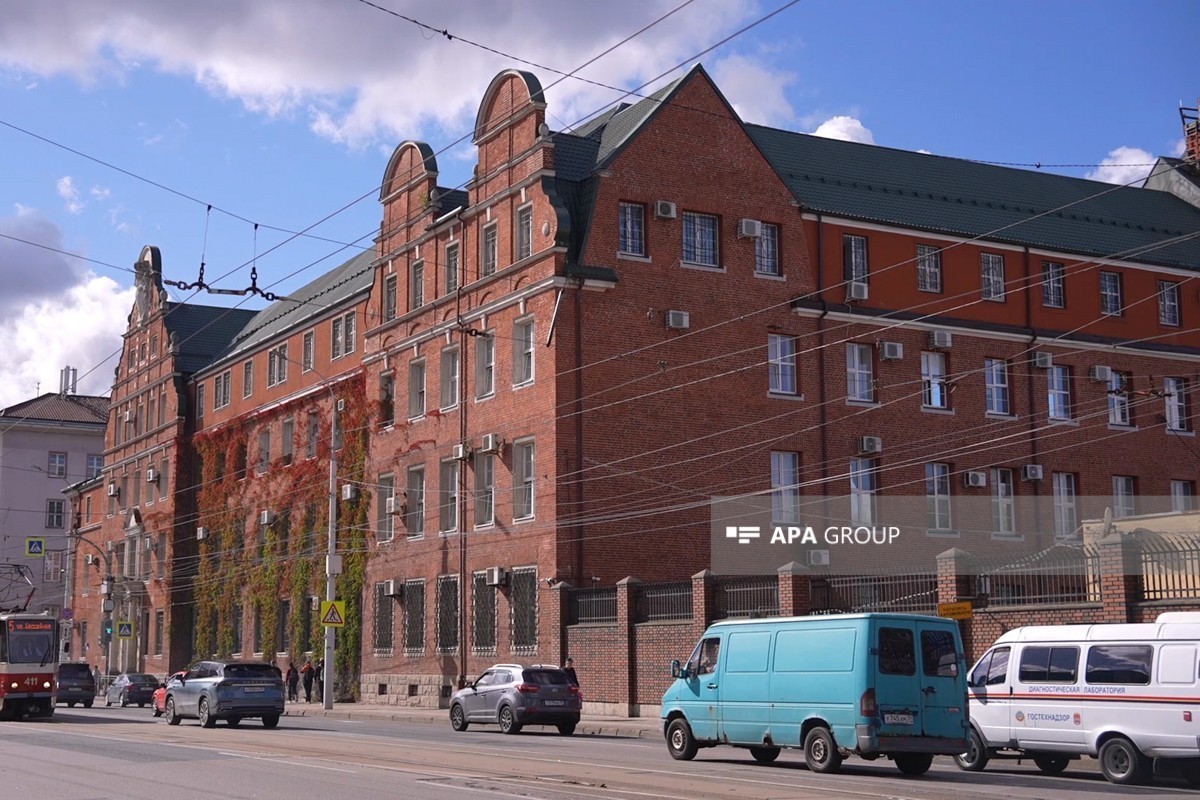
We are in Kaliningrad... This is Russia’s westernmost point, its outpost. Located between Poland and Lithuania on the southeastern coast of the Baltic Sea, this territory is considered one of Russia’s most important military-strategic points in Europe. Kaliningrad’s proximity to the region’s key communication lines gives Russia the opportunity to monitor NATO’s eastern flank.
Importance of the region for Russia and NATO
For Russia, Kaliningrad is both a means of pressure and deterrence against NATO countries and an important platform for maintaining its military presence in the Baltic region and influencing the military situation there. From NATO’s perspective, Kaliningrad is regarded as an “A2/AD” (anti-access and area denial – ed.) zone, that is, a potential zone that makes it difficult for enemy forces to enter and maneuver within a defended area by creating an increased threat to deter the adversary.
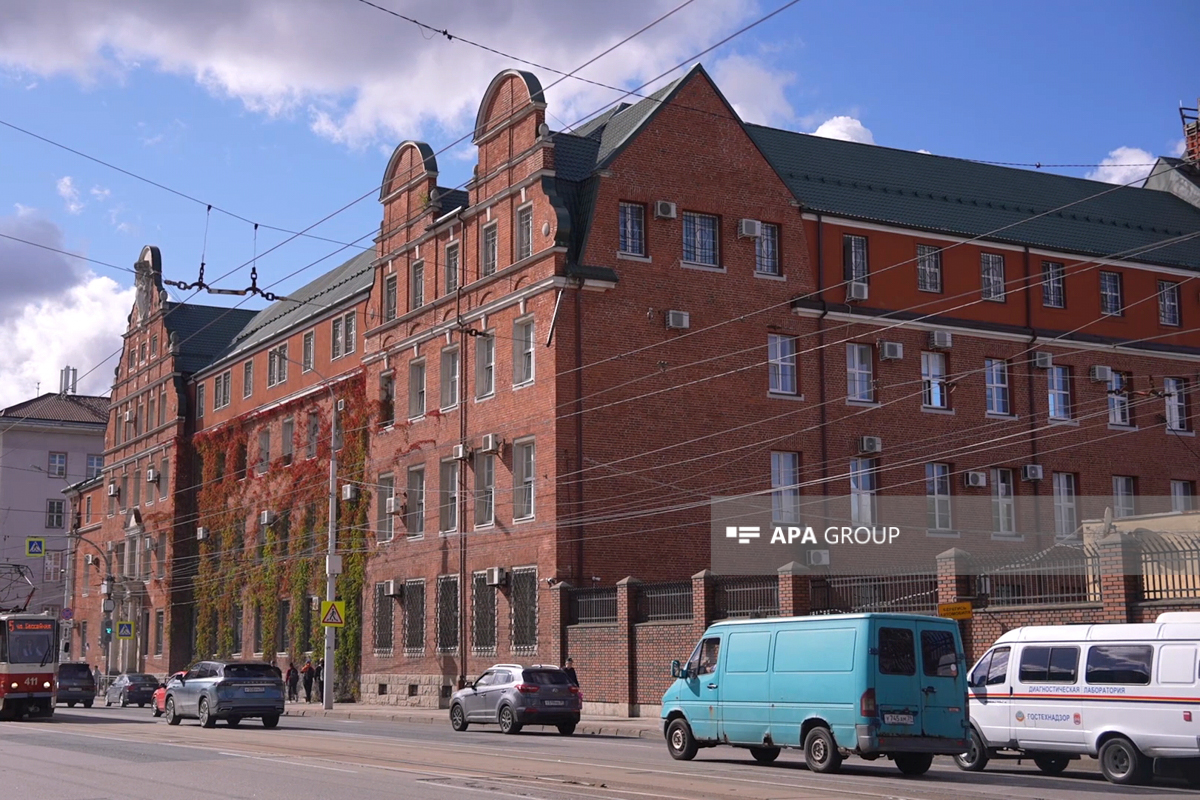
The main reasons for tensions between Russia and NATO are the military alliance’s eastward expansion, Russia’s perception of NATO infrastructure near its borders as a threat, and serious concerns among Eastern European countries over Moscow’s policies.
The possibility of a direct war between Russia and NATO is currently considered one of the most serious issues on Europe’s security agenda. It is understandable to everyone that if such a war begins, Kaliningrad would become one of the first targets. Accusations voiced by NATO countries regarding Kaliningrad and the possibility of a Russia-NATO war are causing concern in the region.
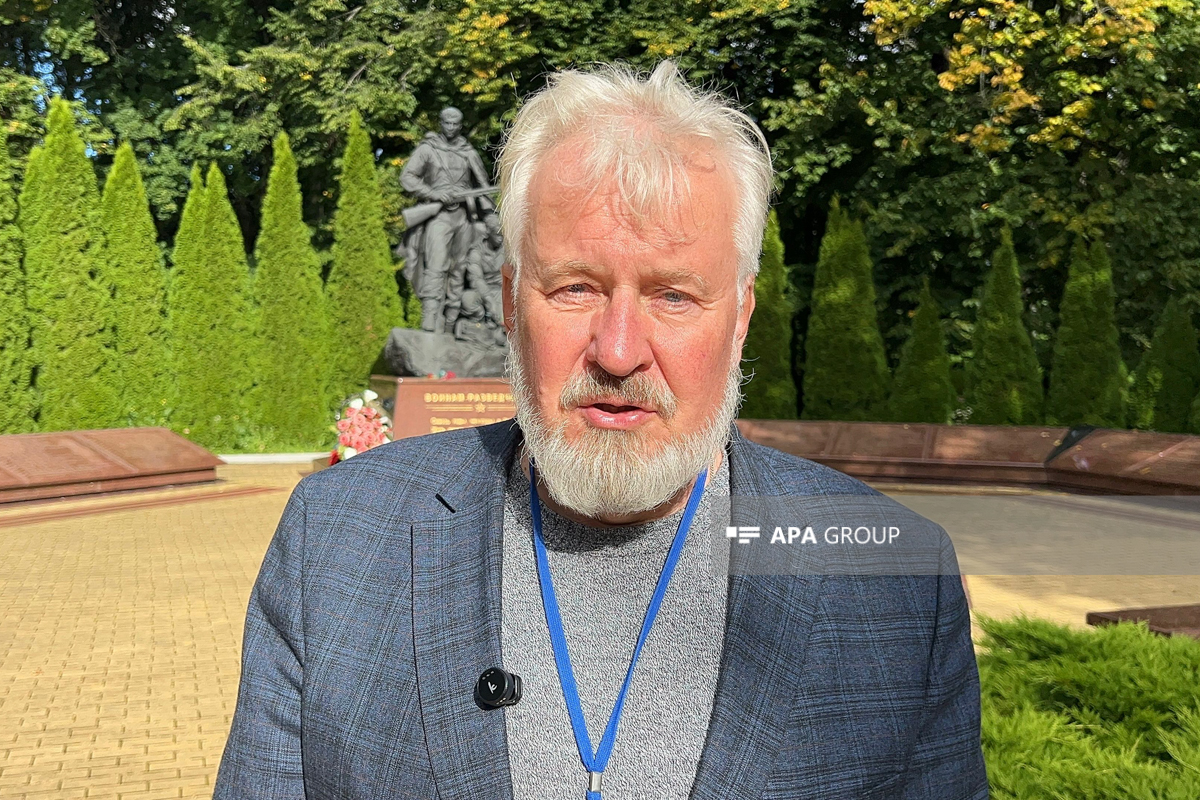
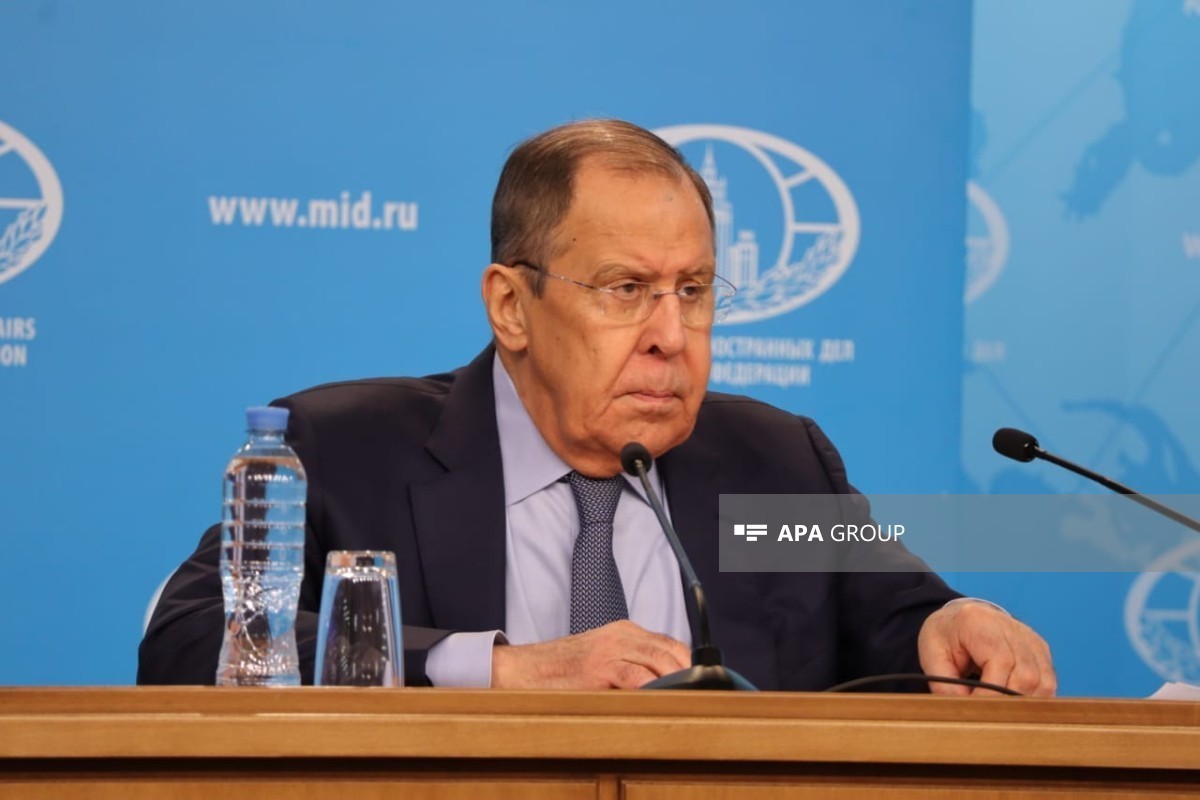
According to Kaliningrad expert Viktor Shelgin, the fact that the region is currently surrounded by countries unfriendly to Russia is causing serious concern:
“The NATO bloc is located just 50 kilometers away from us. Of course, this issue concerns us. A few years ago, we had friendly relations with our neighbors. We were also connected with Poland and Lithuania through business, and tourists traveled back and forth. Of course, we are very concerned now. The buildup of NATO troops near the borders of the Kaliningrad region, the construction of engineering fortifications, military rhetoric, and threats against Kaliningrad cannot but concern us.”
Polish expert: “We are preparing for a war scenario”
The same concern is also observed in Poland. In Warsaw, it is believed that a war between Russia and Poland, as well as between Russia and NATO, would be Moscow’s choice. Poland does not want a conflict, and it particularly does not want a war with Russia. According to Polish experts, a war with Russia would not solve any strategic objective for them.
“As long as Russia is unable to win the war with Ukraine technically, strategically, militarily, economically, and ideologically, it has decided to compensate for its failure in Ukraine by attempting to expand the conflict horizontally. It is understandable that if the conflict expands, there will be no support for Ukraine. A hybrid war is currently underway between Russia and Poland. This war being waged by Moscow against Poland is part of the position Russia has formed in negotiations regarding Ukraine. Russia wants to say: give Ukraine to us, or we will continue to frighten you. Drone attacks, violations of airspace, numerous acts of sabotage, etc. Russia is waging a hybrid war against Poland. We are not afraid of what Russia is doing. Since we are not afraid of their acts of sabotage, drones, and missiles, the Kremlin has decided to raise the stakes. Moscow wants to end the conflict in Ukraine with a larger-scale war. Naturally, the Kaliningrad region and the Suwałki Corridor play a major role in this war. The Suwałki Corridor is the land route connecting the Baltic countries with Poland, the European Union, and NATO. We do not believe that Russia will go to war against Poland and the Baltic countries and attempt to seize the Suwałki Corridor, thereby geographically connecting Kaliningrad with Belarus. However, we are preparing for this scenario. The Polish army, the Polish state, and, above all, our citizens are psychologically preparing for this scenario,” Polish expert Jakub Korejba said.
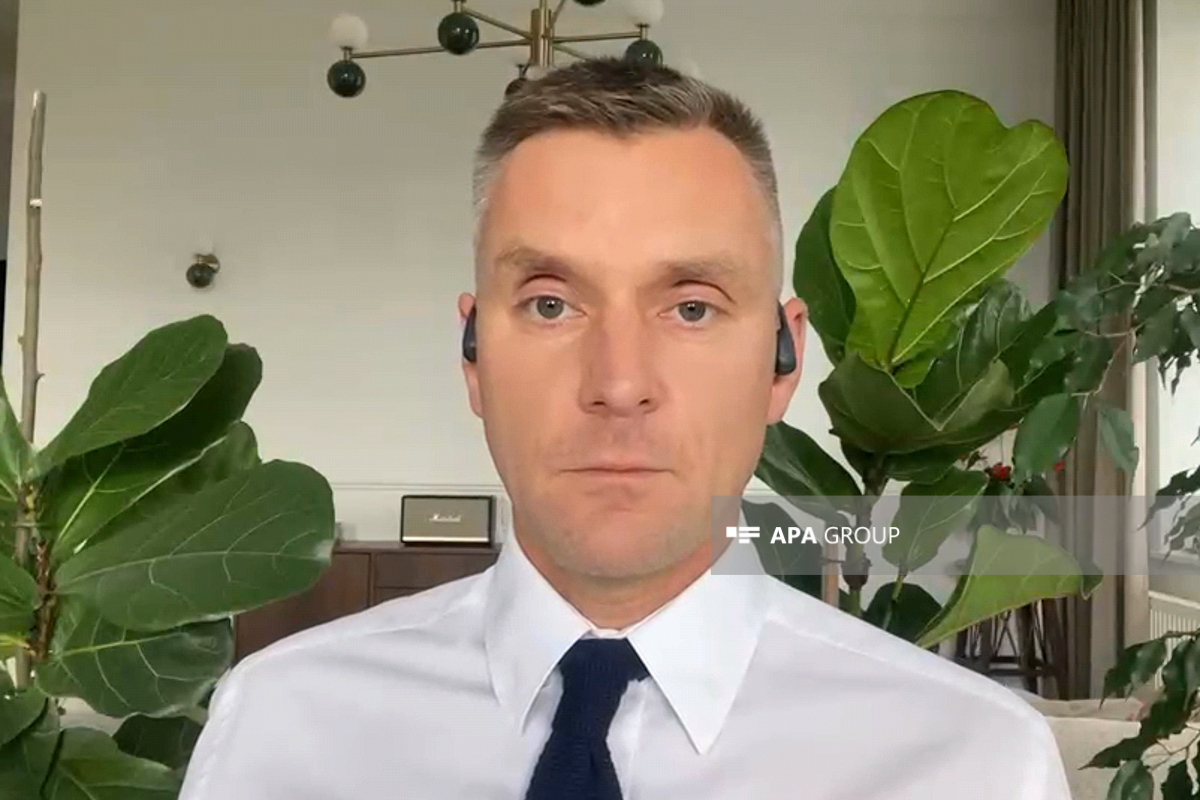
Experts believe that, rather than a direct war, a Russia-NATO confrontation could initially develop in the form of cyberattacks, sabotage, drone incidents, and limited military clashes. In their view, the possibility of direct war carries extremely high risks. Therefore, nuclear weapons and mutual deterrence are among the main factors preventing large-scale escalation.
Russian fighter jets patrol Kaliningrad skies
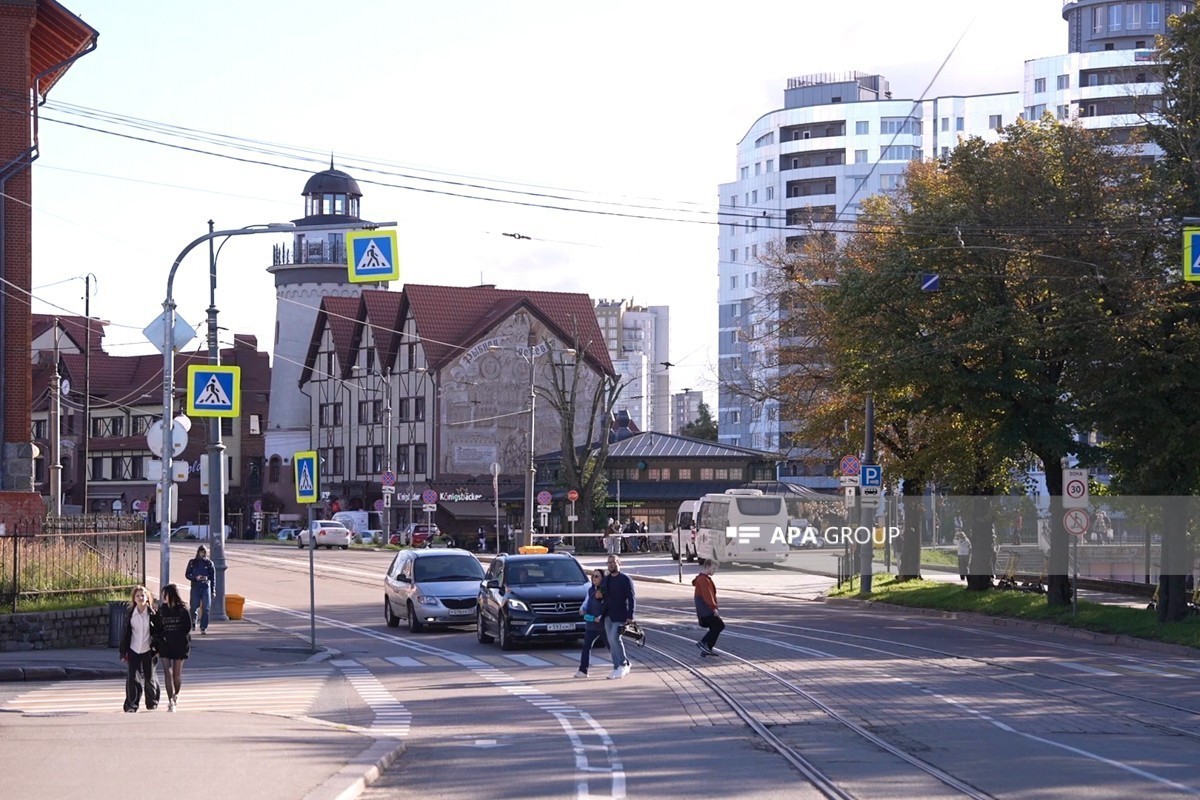
During our visit to Kaliningrad, we repeatedly witnessed Russian fighter jets flying overhead. According to reports, the fighter jets are conducting patrols to protect Kaliningrad’s air borders. Even while walking in the city center, the sound of fighter jets can frequently be heard.
While we were observing Russian fighter jets flying in Kaliningrad’s airspace, official Warsaw announced that a Russian Mi-8 helicopter had violated Polish airspace from the direction of the Kaliningrad region. It was alleged that Russia’s aim was to test the readiness of Poland’s air defense systems.
In Russia, they believe an attack on Kaliningrad would result in nuclear war
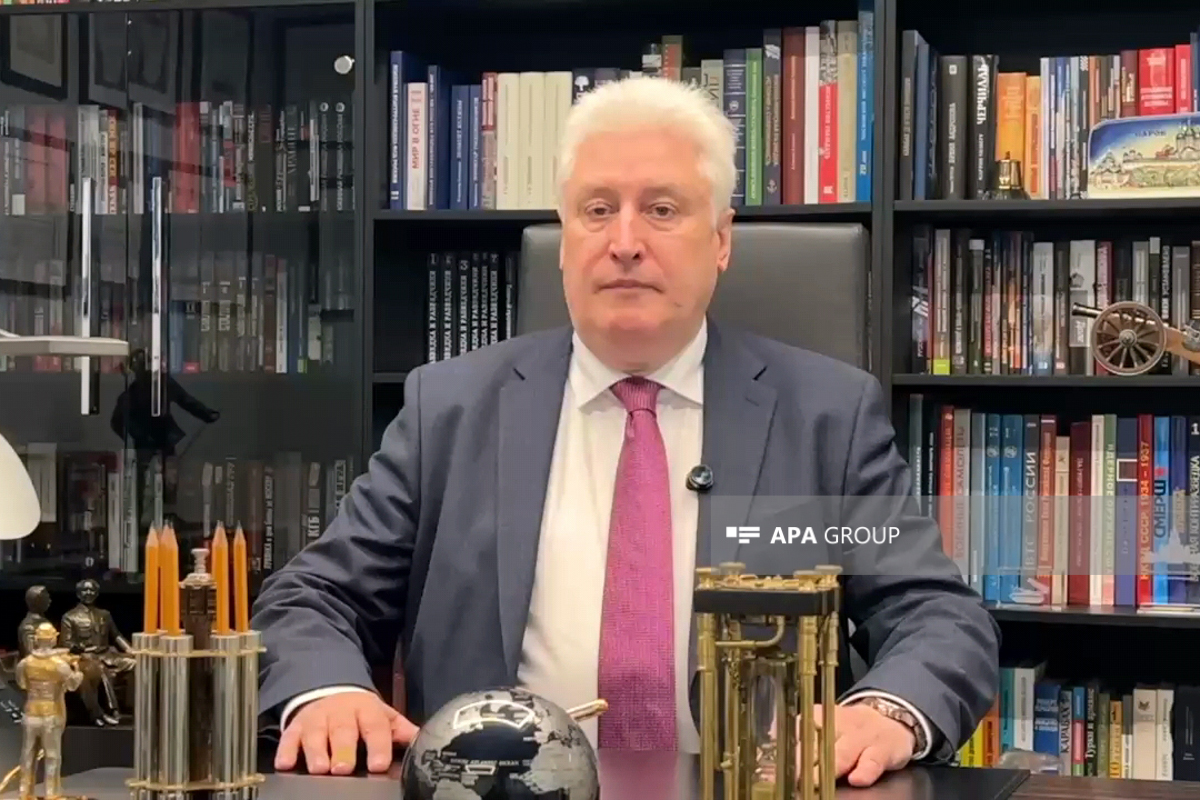
Igor Korotchenko, editor-in-chief of Russia’s National Defense magazine and a military expert, believes that Russia does not want to wage war against the North Atlantic Alliance.
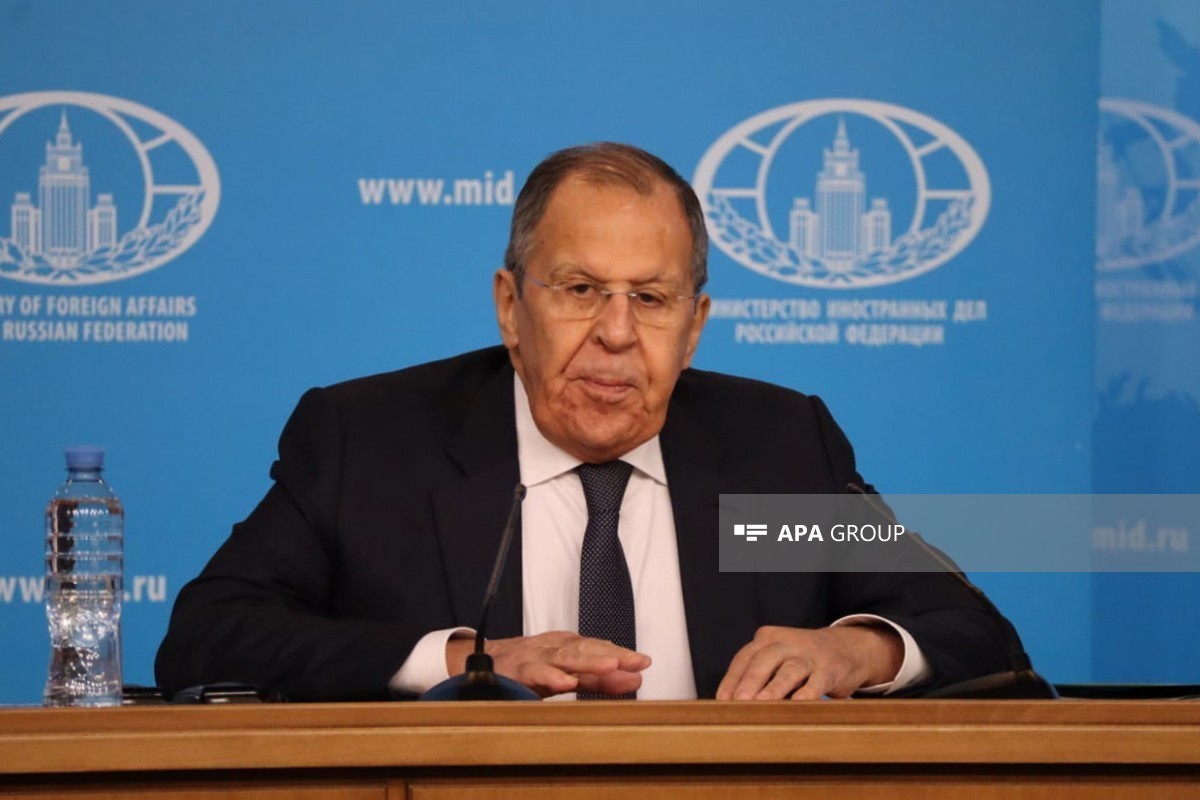
“Those who feel their own strength never shout. Therefore, the statements by Poland and Lithuania are an indication of weakness and military-political inadequacy. Russia does not want a war with NATO. We do not need it. We are solving our main problem. We want to ensure that no military threat to us ever comes from the territory of Ukraine in the future. Therefore, it does not matter who makes what statement. I repeat once again: Russia has not set itself the goal of waging war against NATO,” the Russian expert emphasized.
Nevertheless, a blockade of Kaliningrad or the closure of its supply routes could cause Moscow to regard this as a direct military act and lead to escalation. Analysts discuss the possibility that Russia could attempt a small-scale and rapid operation to test NATO’s political will. In their view, it is difficult to predict the scale of NATO’s response to such an attack. Although all these possibilities strengthen deterrence, they also carry the risk of miscalculation.
“If NATO wants to wage war against Russia, all formats of military operations between the North Atlantic Alliance and Russia will automatically mean that this war will not be fought with conventional weapons. This means nuclear escalation. Therefore, tactical nuclear weapons will be used against a NATO country that wants to occupy Kaliningrad, and perhaps strategic nuclear weapons will subsequently be used as well. Russia is not threatening Germany, Poland, Lithuania, or anyone in NATO. We are simply saying: if you start first, if you commit aggression against Russia, you will receive a massive nuclear strike,” Korotchenko noted.
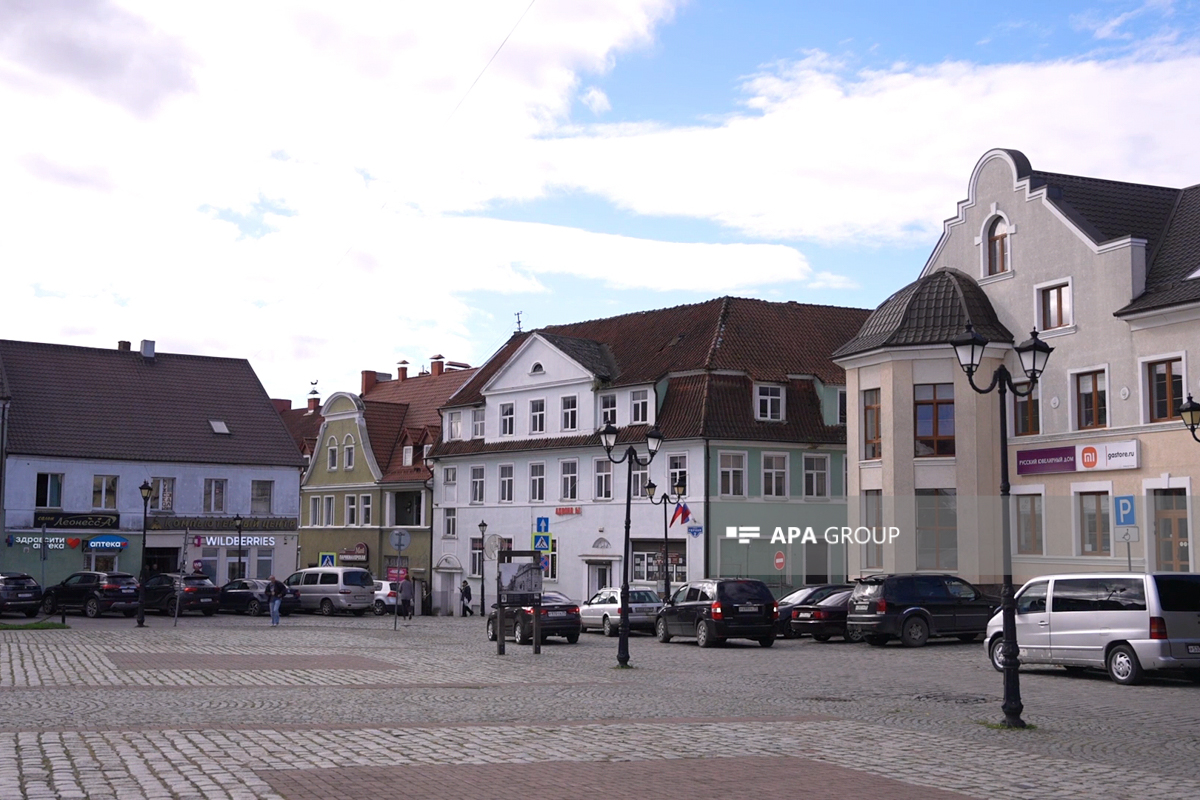
From Kaliningrad city to the Polish border...
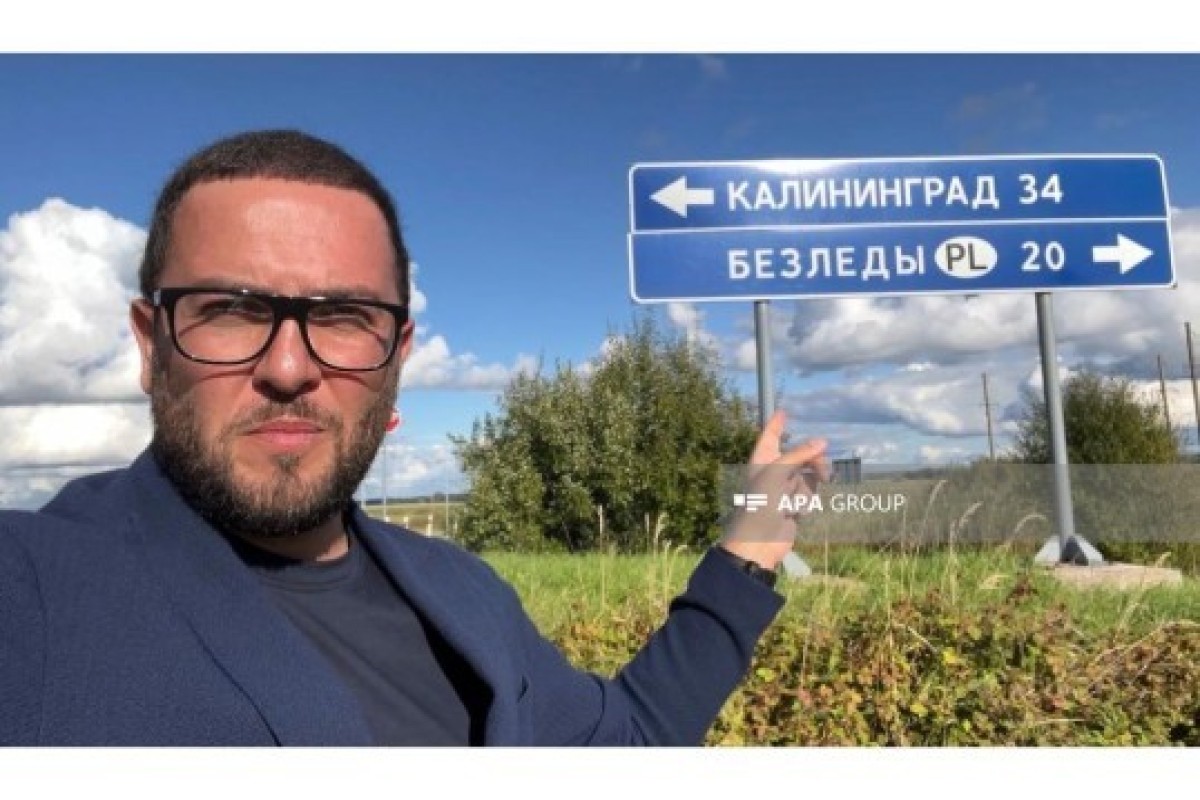
We are traveling from the city of Kaliningrad toward the region, heading for the border with Poland. Along the road, there are signs indicating the names of Polish settlements ahead.
We are at the border junction between Kaliningrad and Poland. The left side indicates the direction toward the Polish town of Bezledy, while the right side points toward the Russian city of Kaliningrad. We are heading to Kaliningrad’s last settlement on the border with Poland.
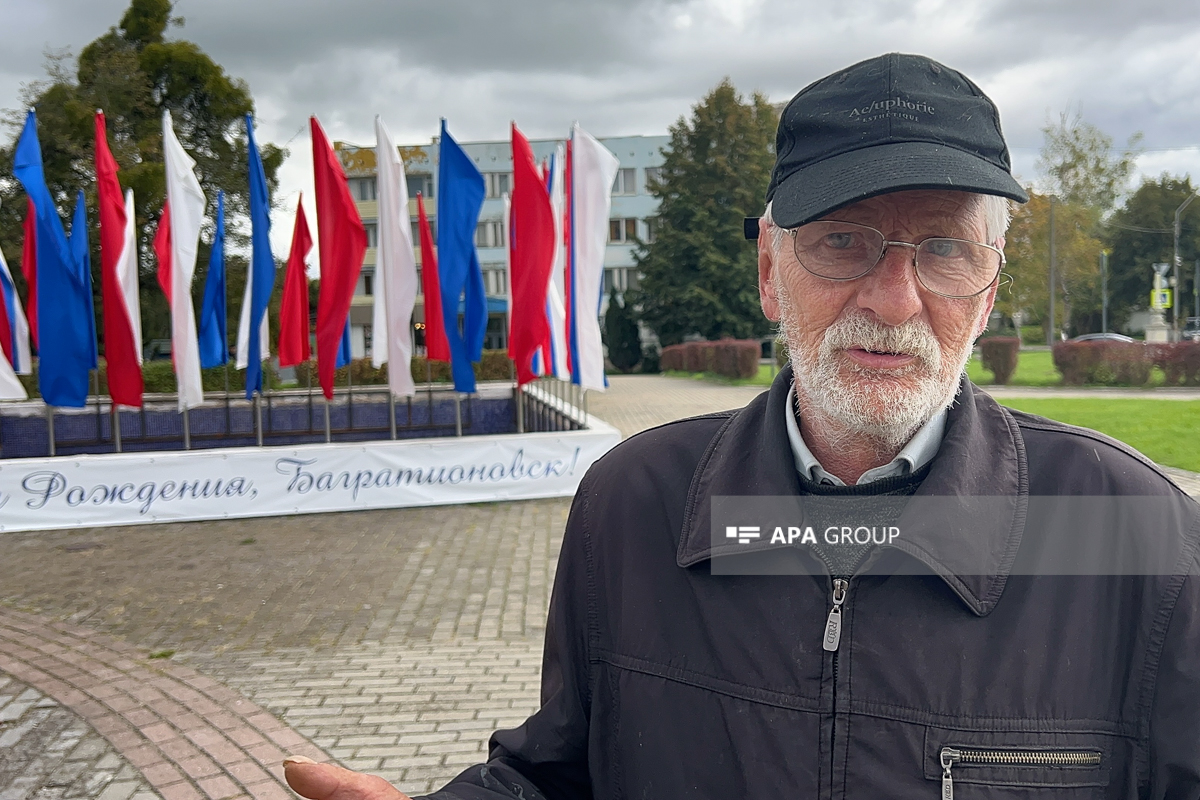
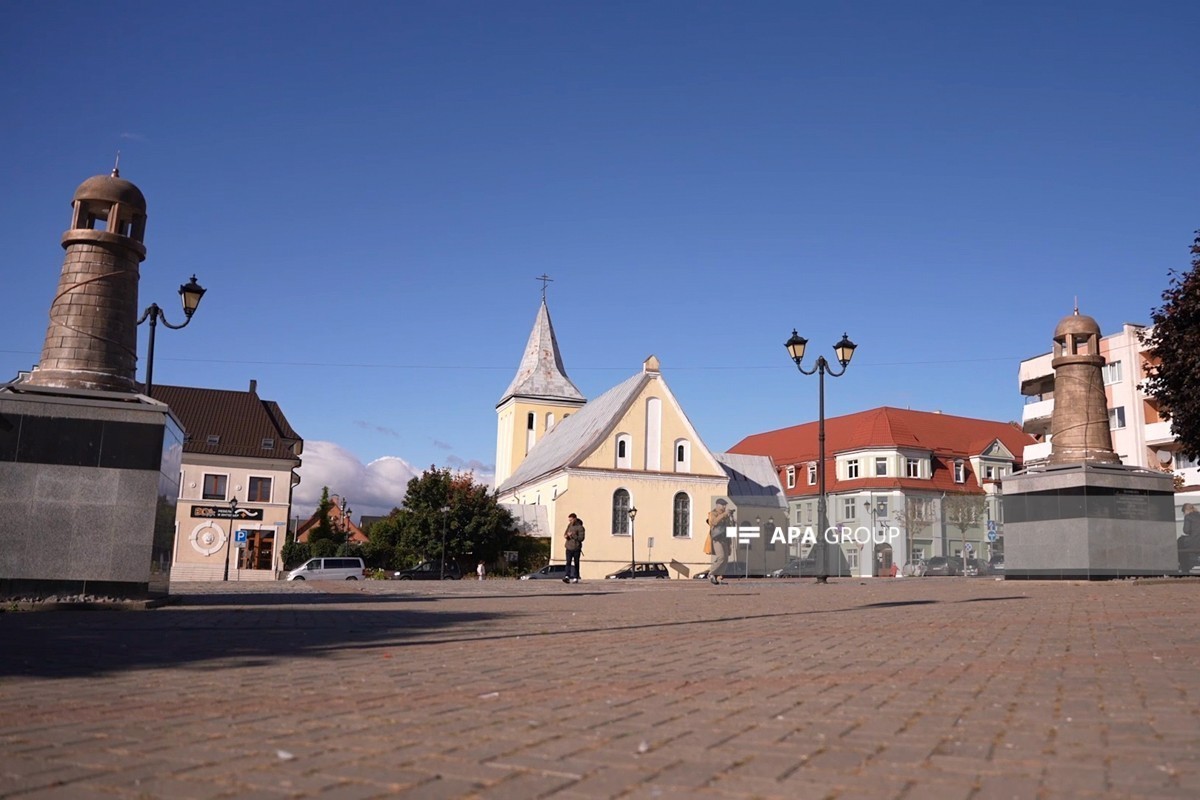
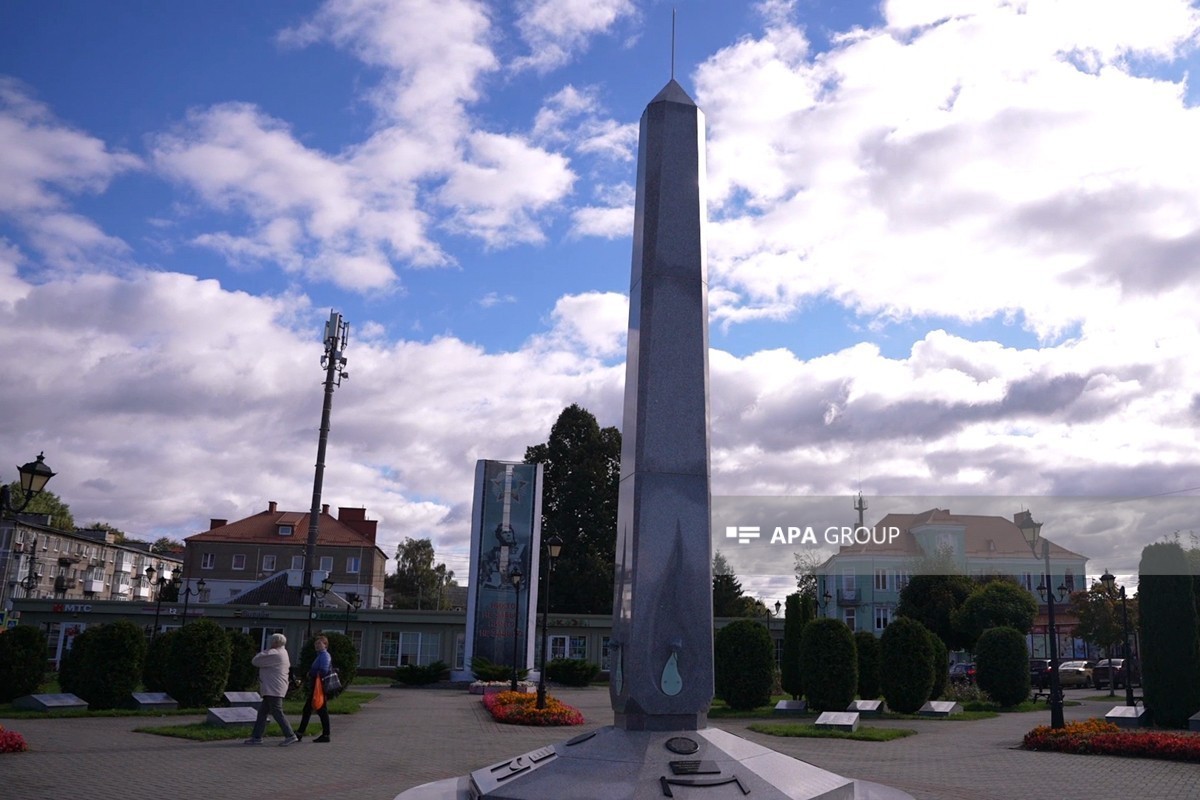
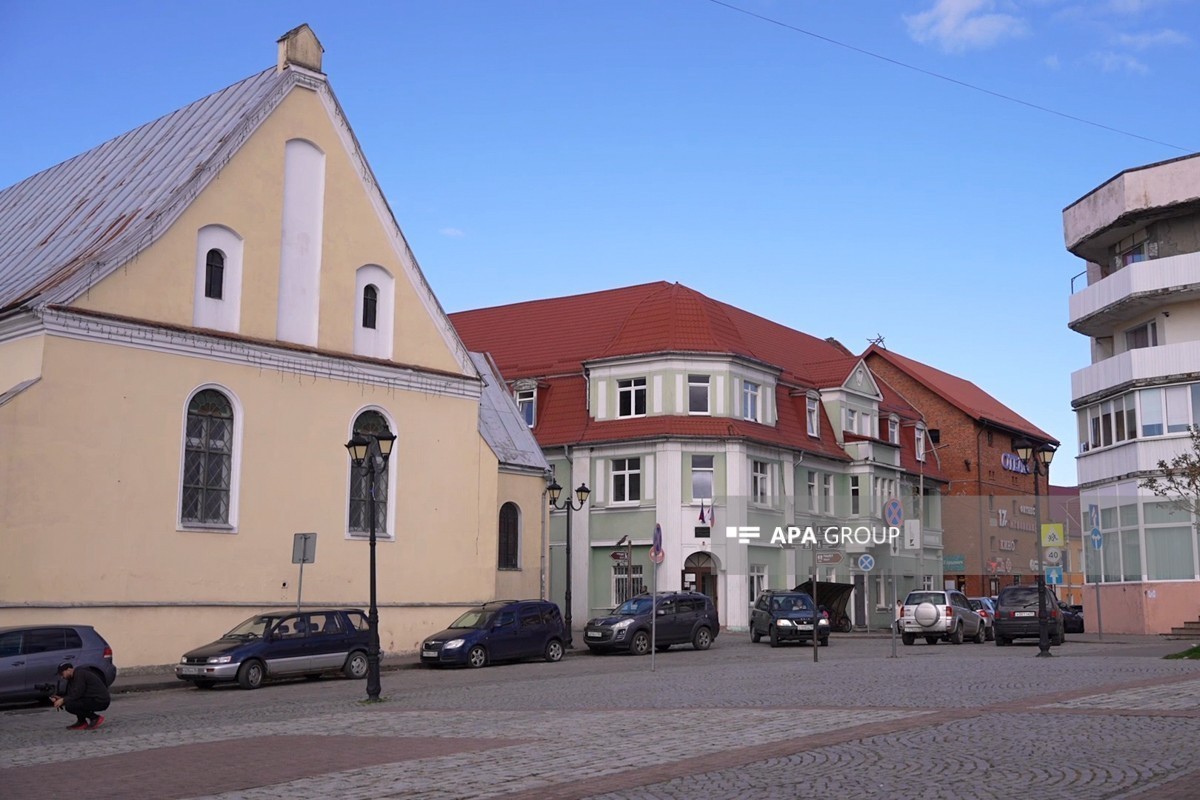
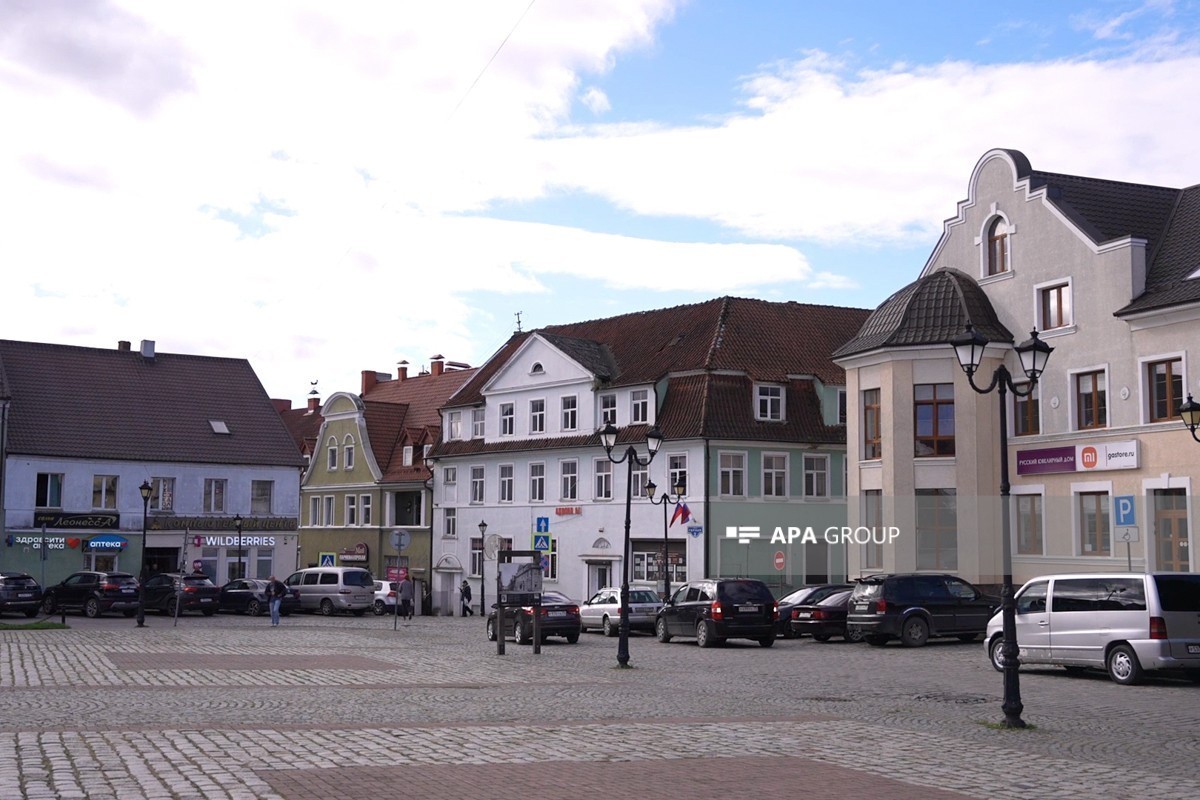
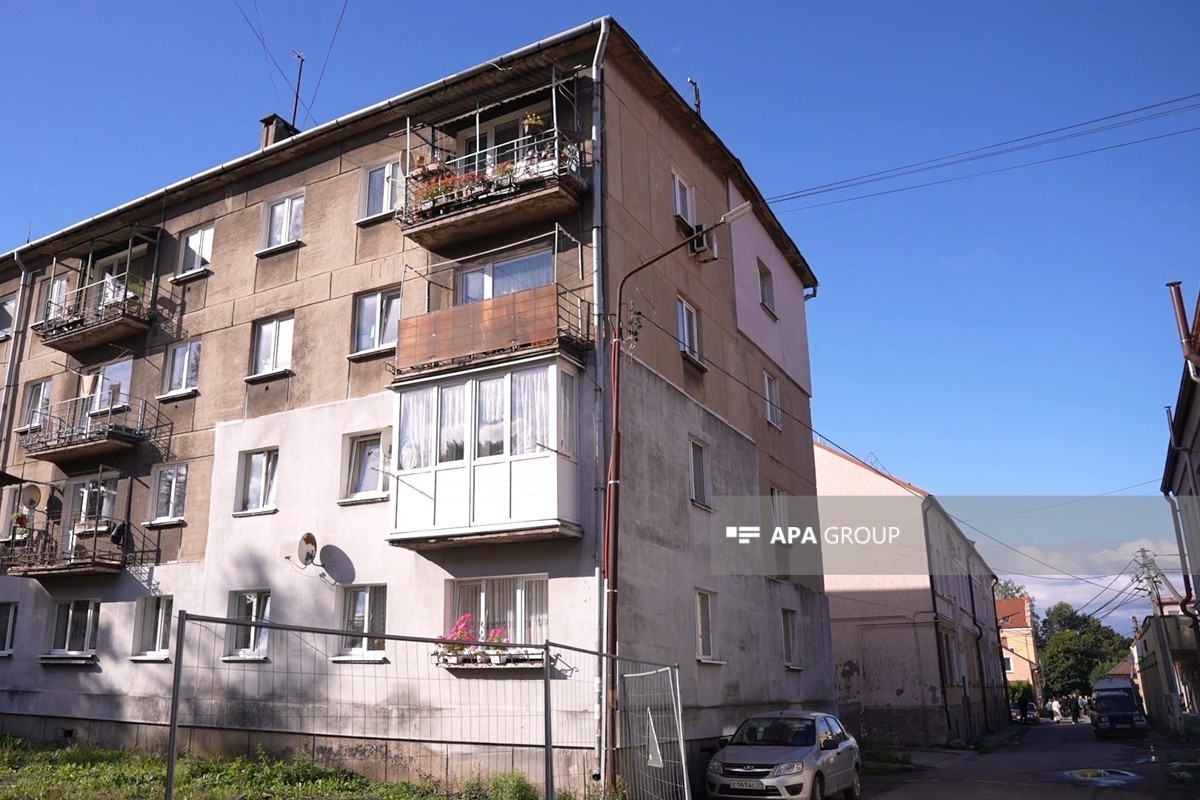
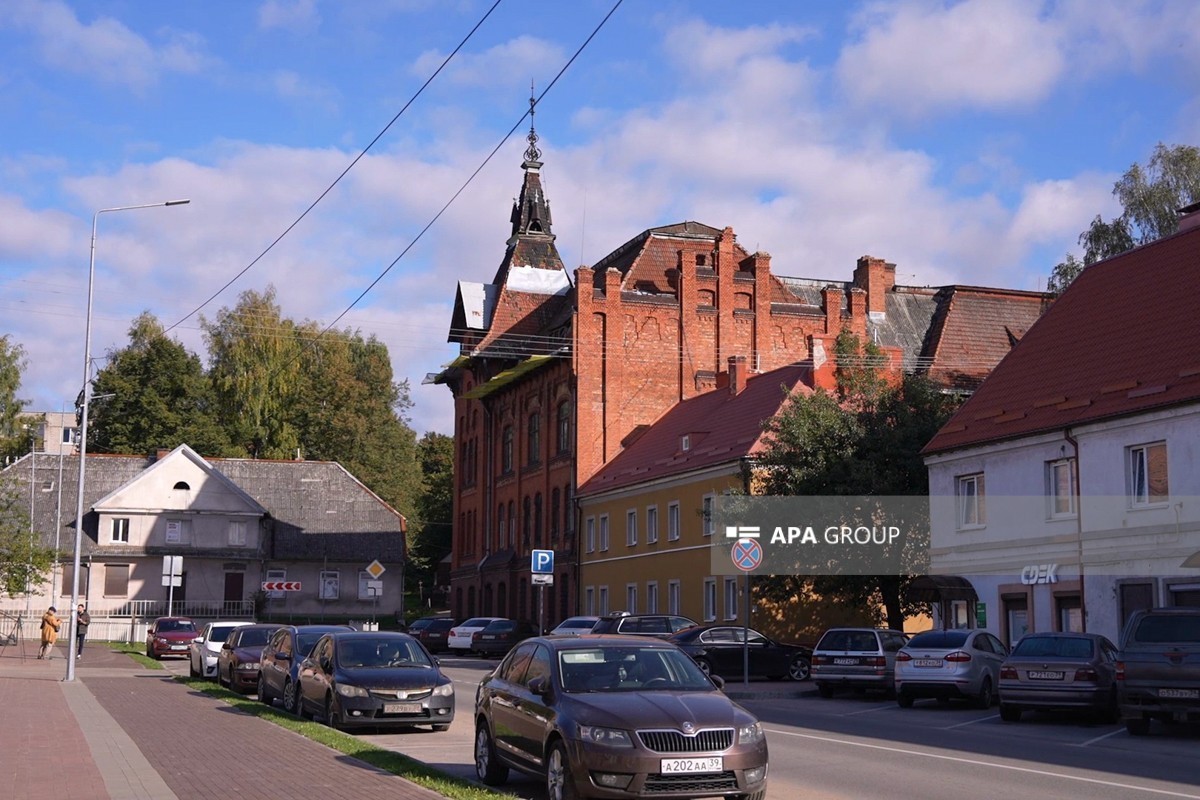
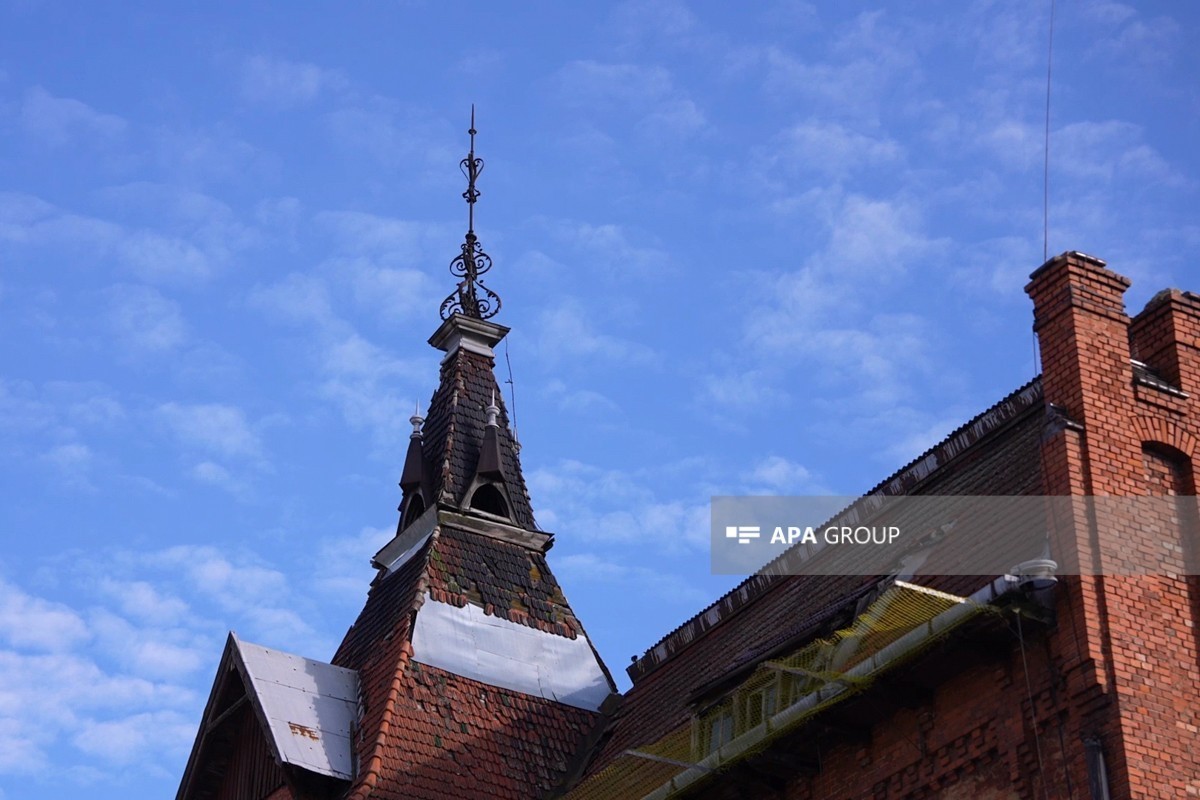
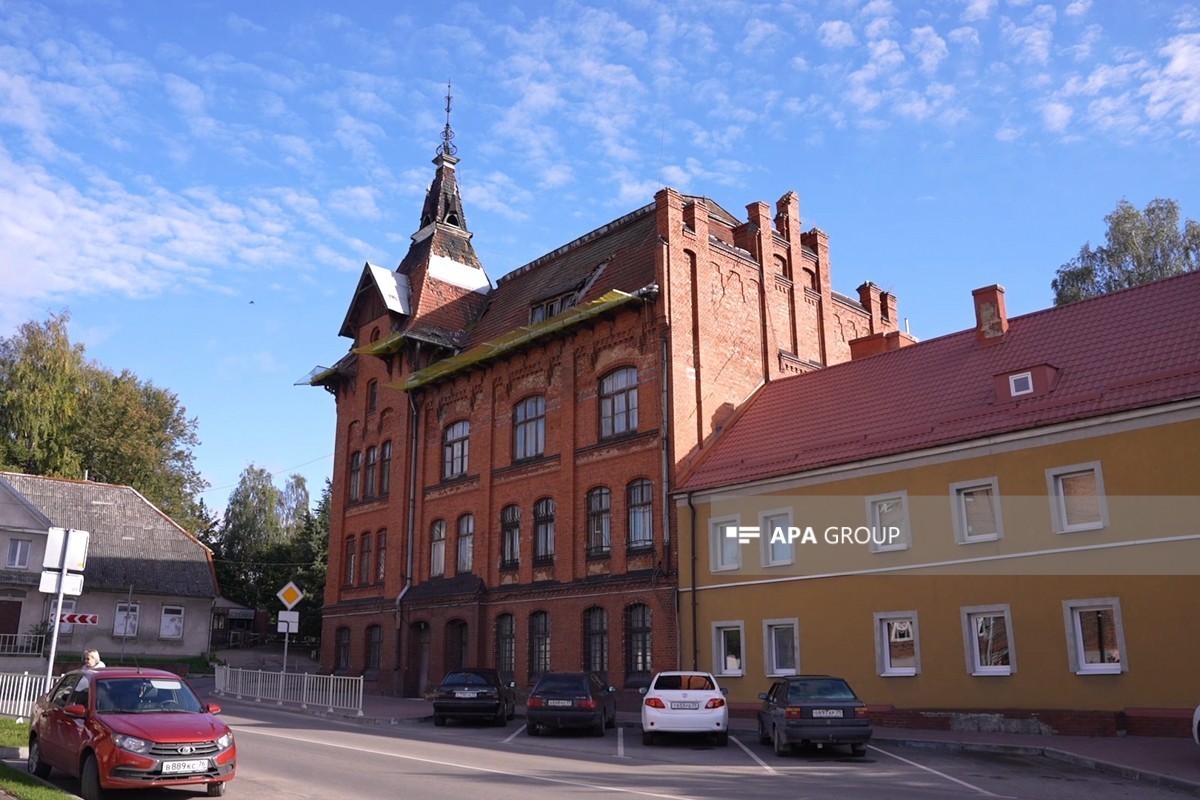
This is the town of Bagrationovsk in Russia’s Kaliningrad region. Formerly known as Eylau, the distance from the center of Bagrationovsk to the border with NATO member Poland is two kilometers. If a Russia-NATO war were to begin, Bagrationovsk is considered one of the areas where clashes could take place.
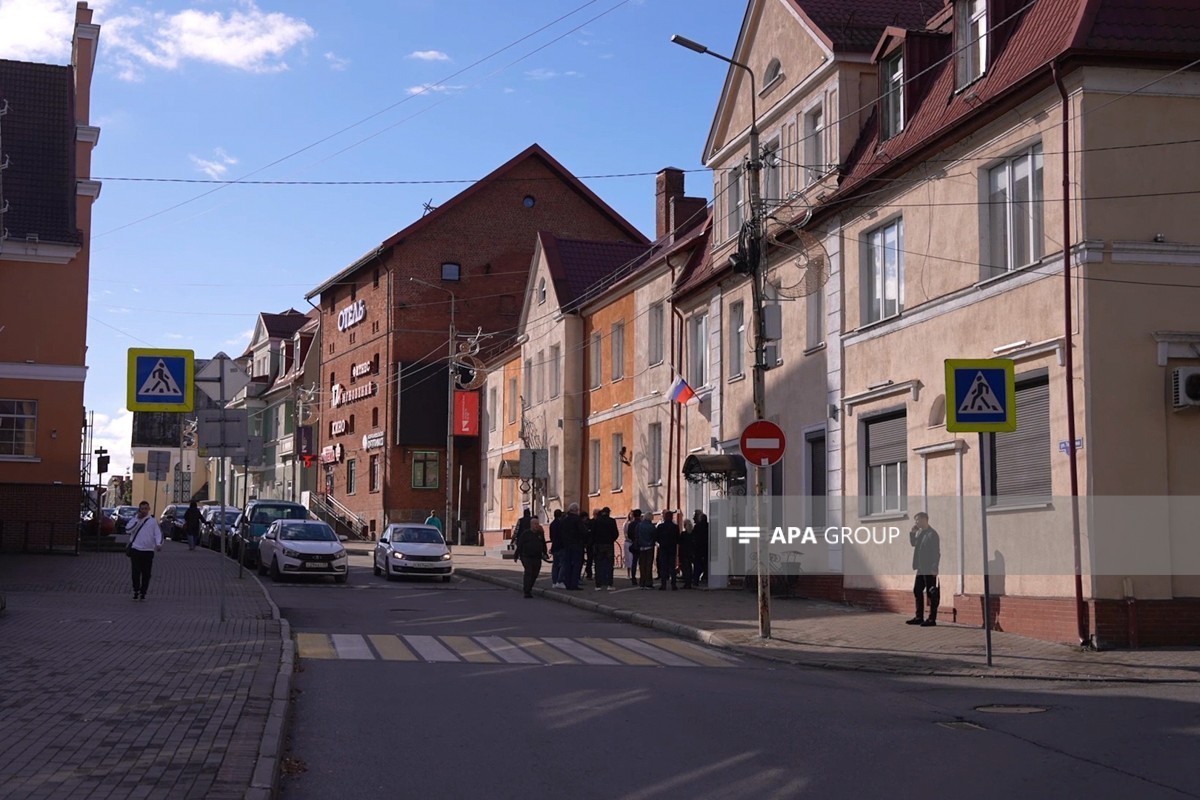
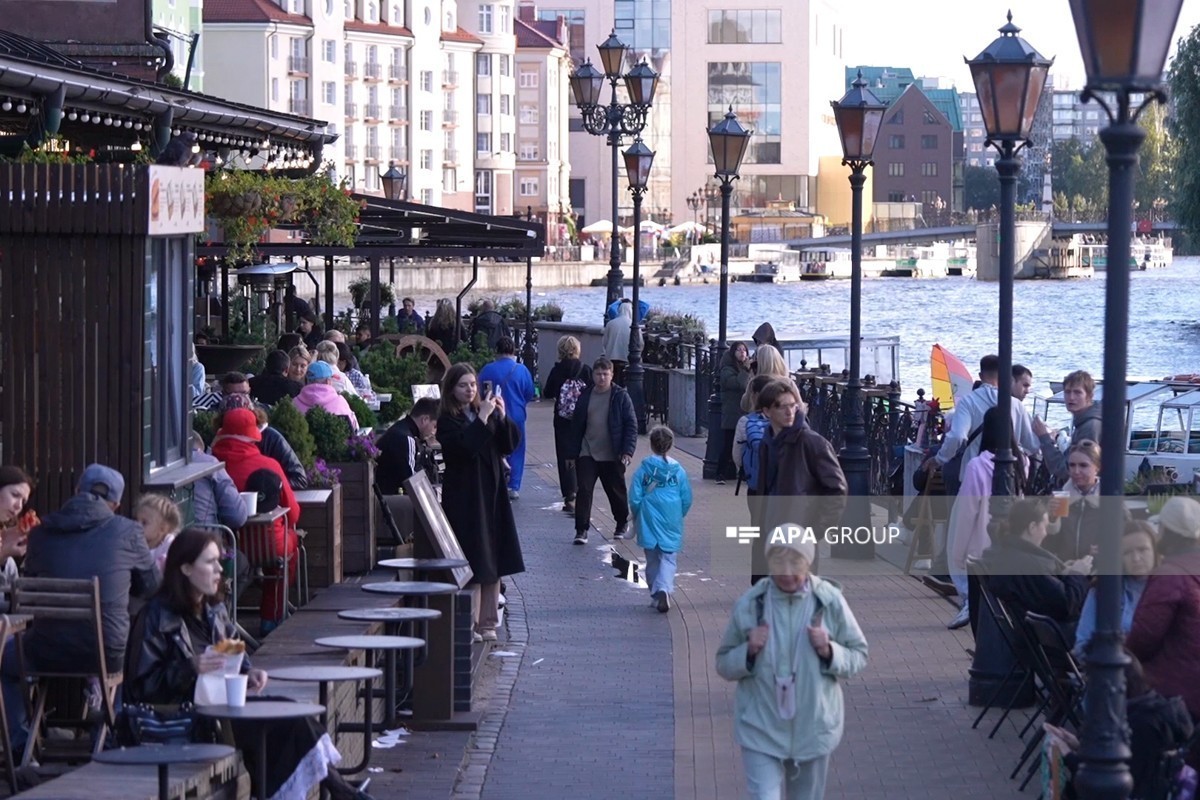
Despite being geographically situated at the very center of Russia-NATO tensions, this town, with a population of around 6,500, is currently experiencing a quiet period.
We had the opportunity to speak with residents of Bagrationovsk. Andrey, 76, says the war with Poland exists only on television:
“We do not feel that there is any tense situation here. The situation is neither good nor bad. The war is only on television. Nothing like that is felt here. There are only rumors and talk, nothing else...”
According to the resident, only Russian truck drivers can cross the border, and only for work-related purposes:
“The Poles can cross our border and come to this side, while Russians are not allowed to cross to the other side.”
Speaking about the situation before the war with Ukraine, he said:
“You know, we lived like close relatives, like brothers and sisters. They would come and live in our town, we rented apartments to Poles, we were friends with them, we called each other, and we had no problems.”
Today, Kaliningrad, a Russian exclave, can only be reached by rail and air. Russian citizens can travel by rail to Kaliningrad from Moscow, St. Petersburg, Adler, and Chelyabinsk in transit through Lithuania. To do so, they must either have a valid Schengen visa or a simplified rail travel document issued by Russian Railways. Passengers are not permitted to leave the train while in Lithuania. Foreign citizens can travel by rail to Kaliningrad through Lithuania only with a Schengen visa. By air, flights to Kaliningrad operate from St. Petersburg’s airspace over the Baltic Sea.
P.S. In short, Kaliningrad is not so much a “weak point” for NATO as it is a high-risk military-political nexus. It provides Russia with capabilities for pressure and defense in the Baltic region, but at the same time occupies a geographically isolated and resource-sensitive position. Most expert assessments also indicate that the dangerous scenario in the region is not so much a pre-planned large-scale attack, but rather a local incident escalating uncontrollably through political pressure, cyberattacks, and misinterpreted signals.



 Follow us on Telegram
 t.me/apanewsaz
 Follow us on Instagram
 Follow us on TikTok
 Follow us on Facebook
 Follow us on X