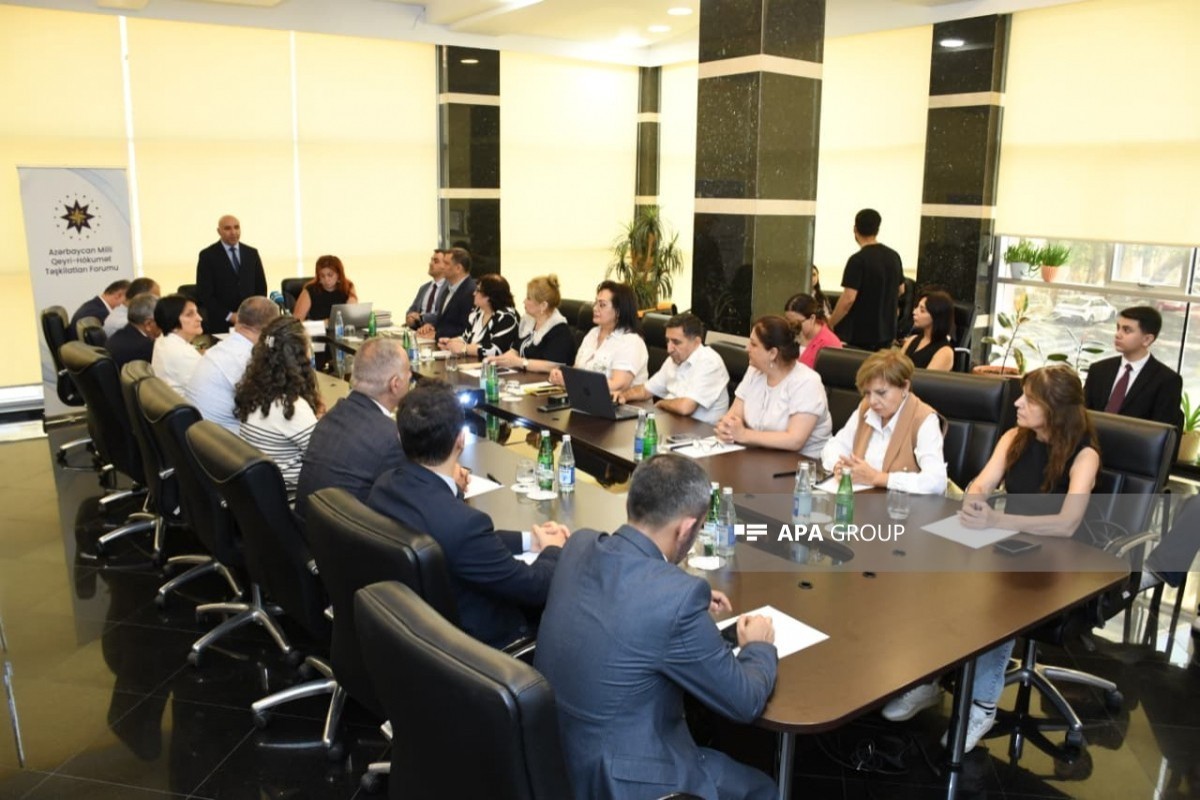


A seminar on “Albanian Heritage in Western Azerbaijan” has been held, organized by the Azerbaijan National NGO Forum (AMQF), APA reports.
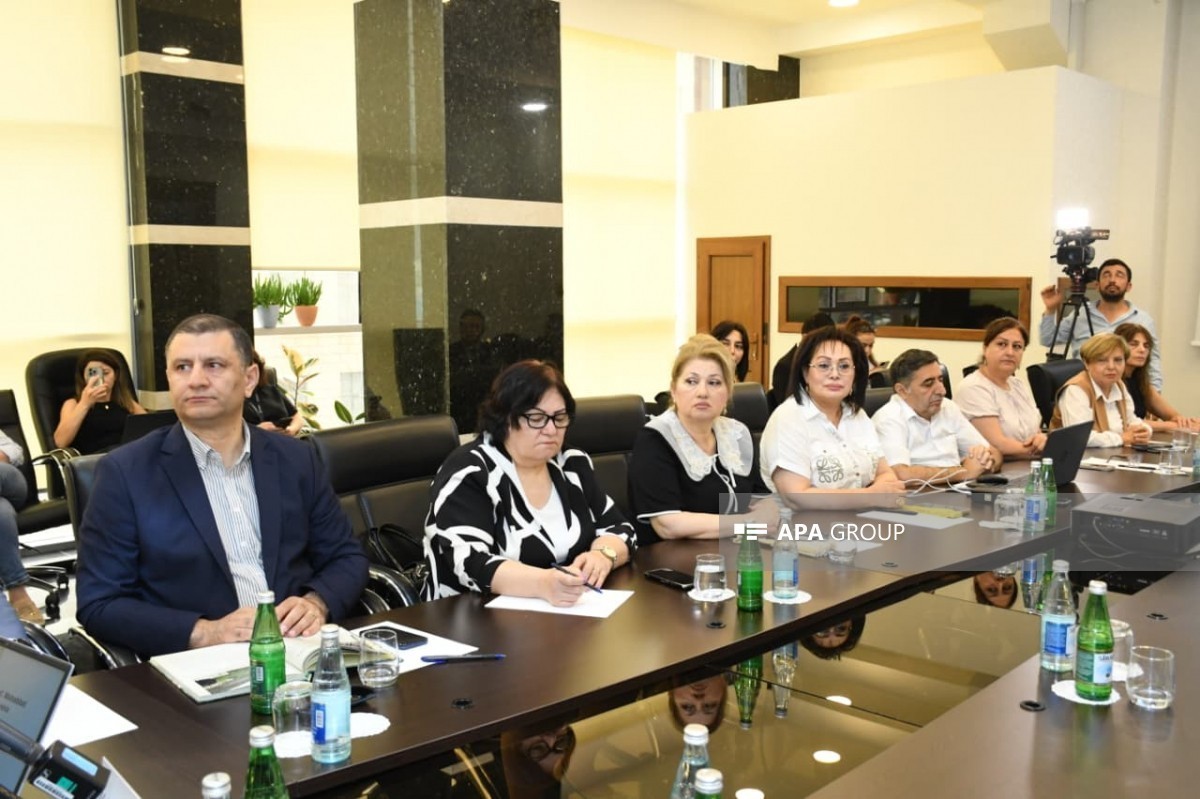
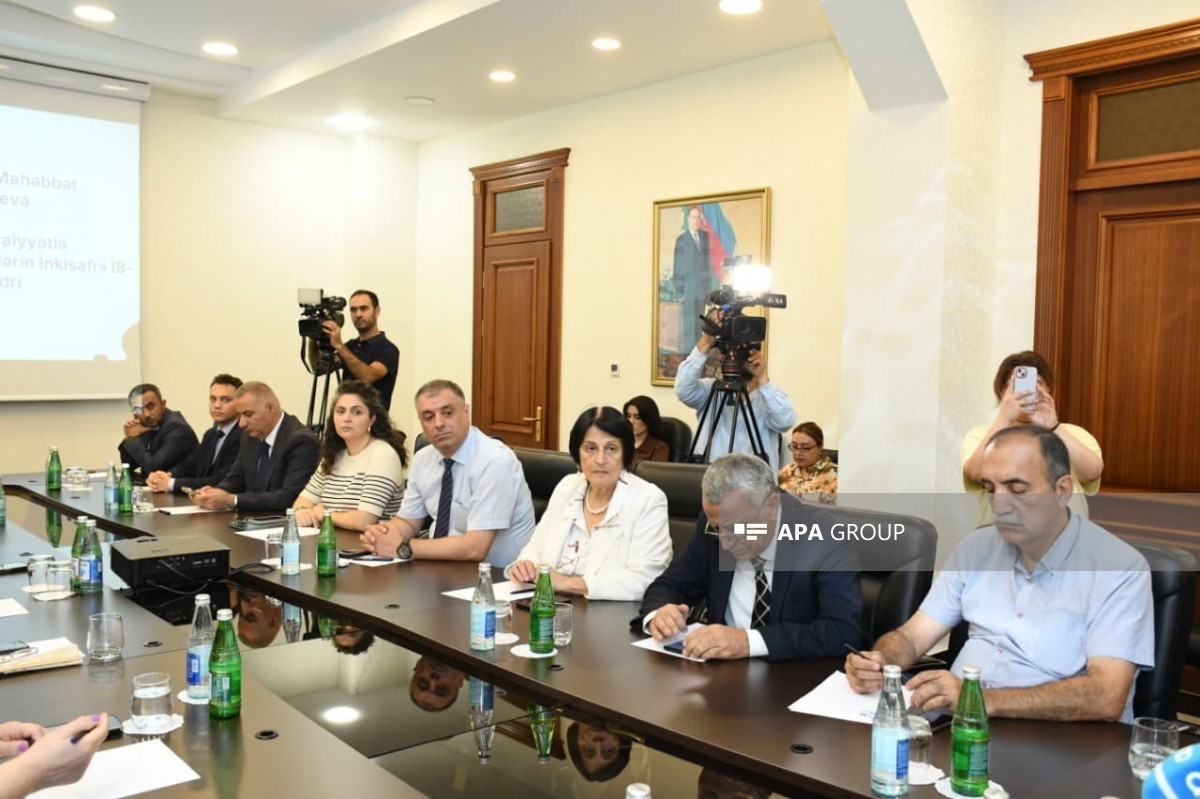
Representatives of the public, historians, archaeologists, and NGO leaders attended the event.
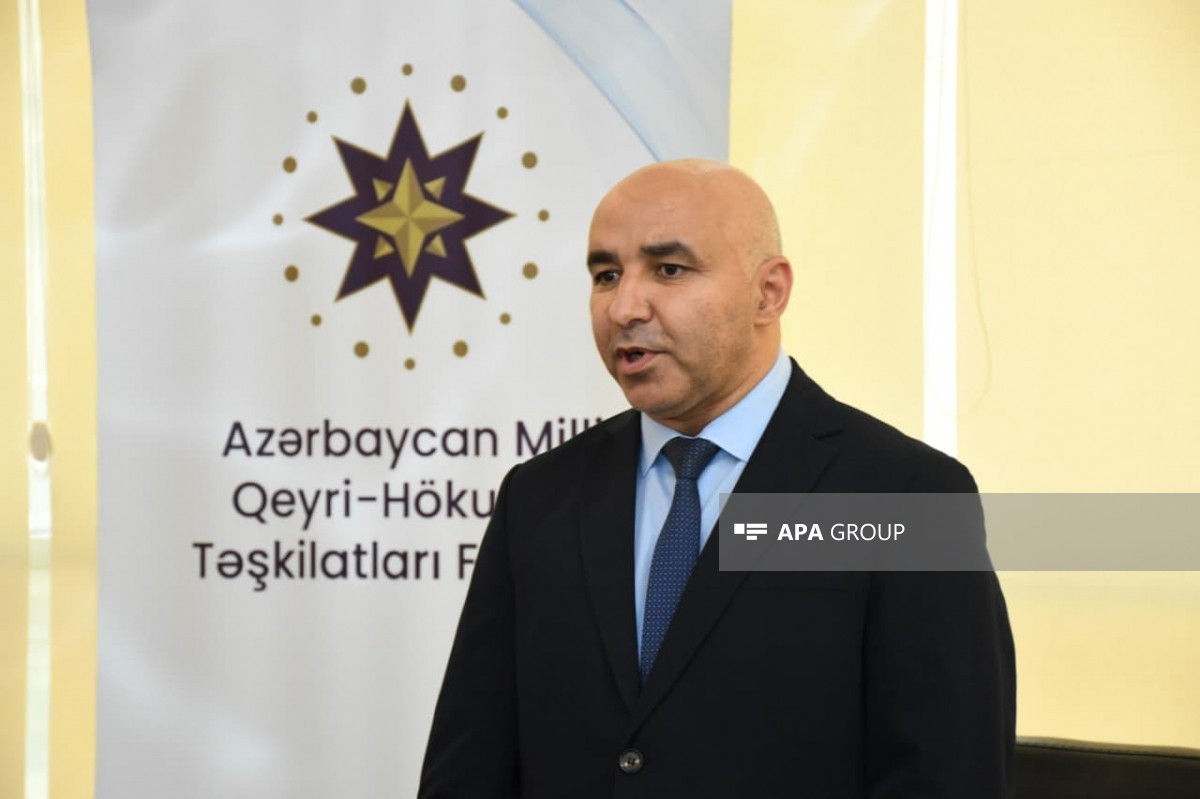
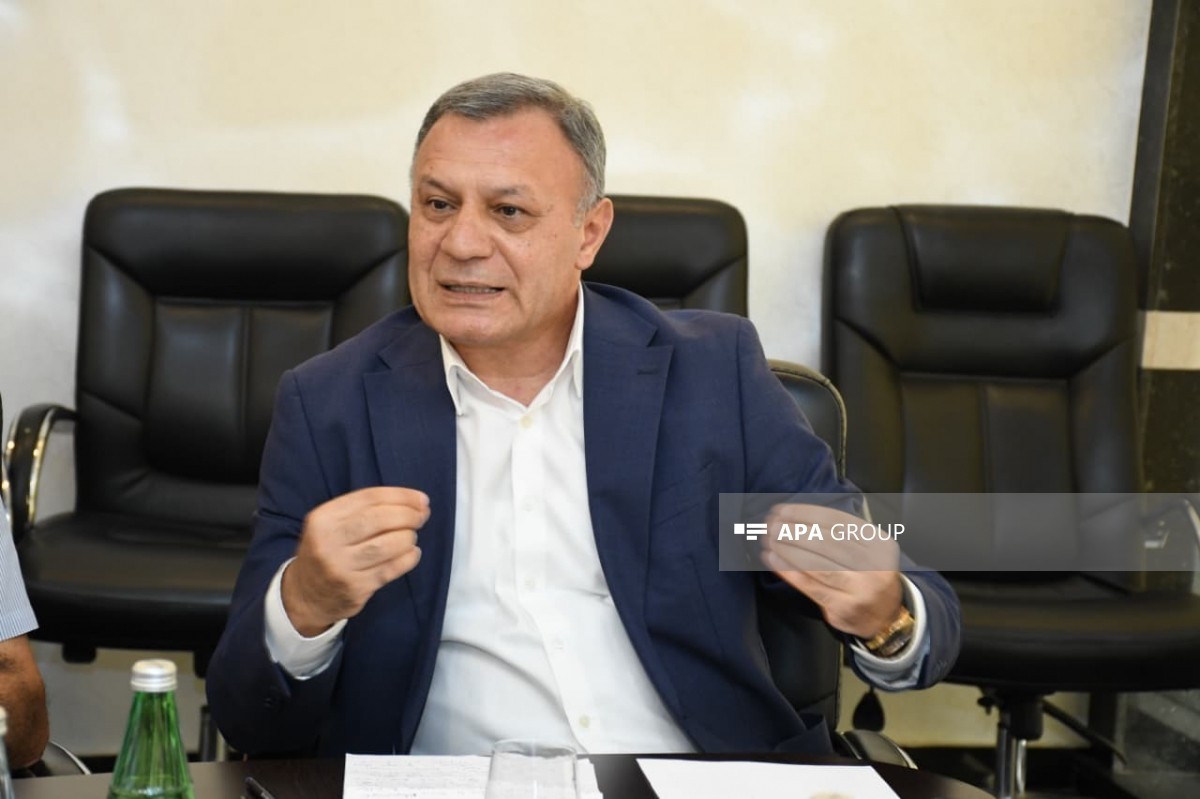
Zaur Ibrahimli, a member of the AMQF Board, provided information about the purpose of the seminar and its participants. He said the main purpose of the seminar was to shed light on one of the most important and strategically significant pages of history — the Albanian Christian heritage in Western Azerbaijan:
“The heritage of Caucasian Albania is an integral and inseparable part of Azerbaijani statehood, ethnogenesis, and cultural memory. Our ancestors, the Albanians, as the indigenous ethnic group of these lands, formed a rich culture over the centuries. Unfortunately, we must note that in 1836, when the Albanian Apostolic Church was abolished by Tsarist Russia and placed under the authority of the Armenian Gregorian Church, a process of systematic appropriation and falsification of this rich heritage began. For many years, the inscriptions on hundreds of Albanian monuments such as Kipchakvank, Gulvank, and Goshavank in Goycha, Zangezur, Daralayaz, and our other historical lands were erased, their architectural structures were altered, and they were presented to the international community as fake Armenian heritage. As civil society institutions, we must be active in communicating these historical truths to the international community on a scientific basis. Today’s seminar also serves our mission of preserving these scientific truths and safeguarding our tangible and cultural heritage in Western Azerbaijan.”
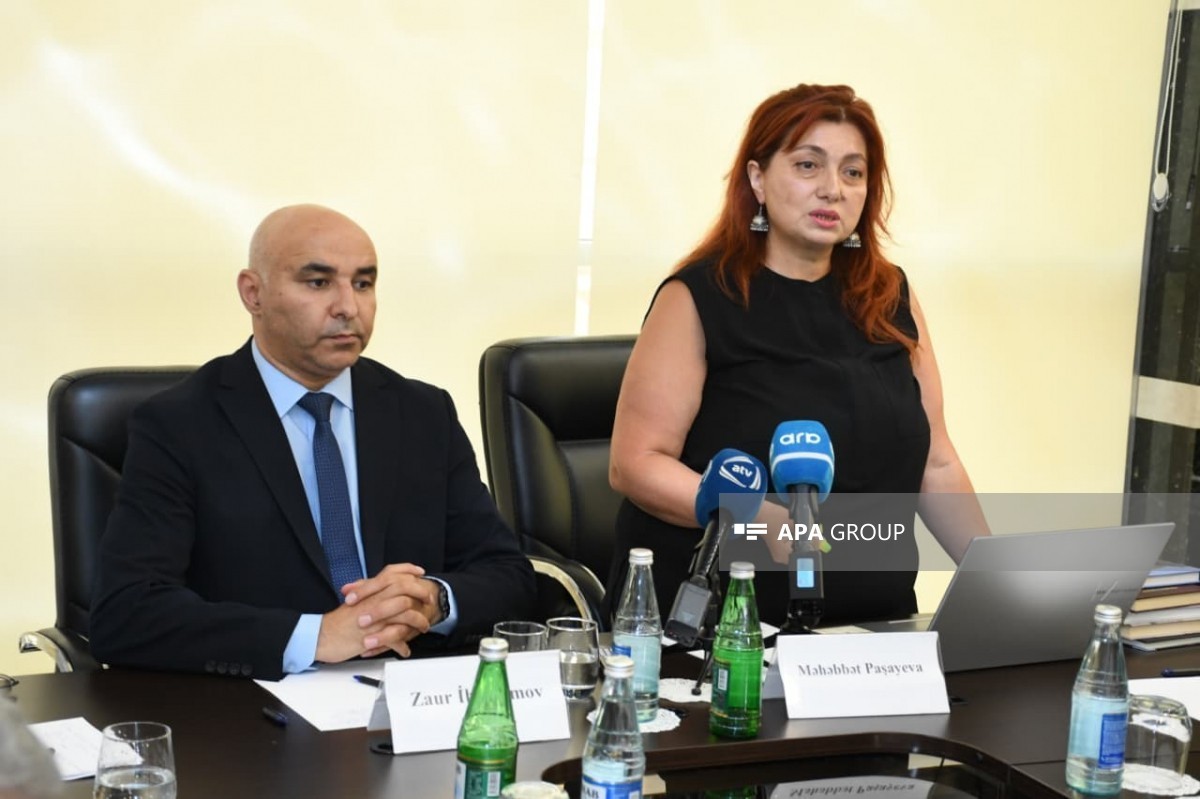
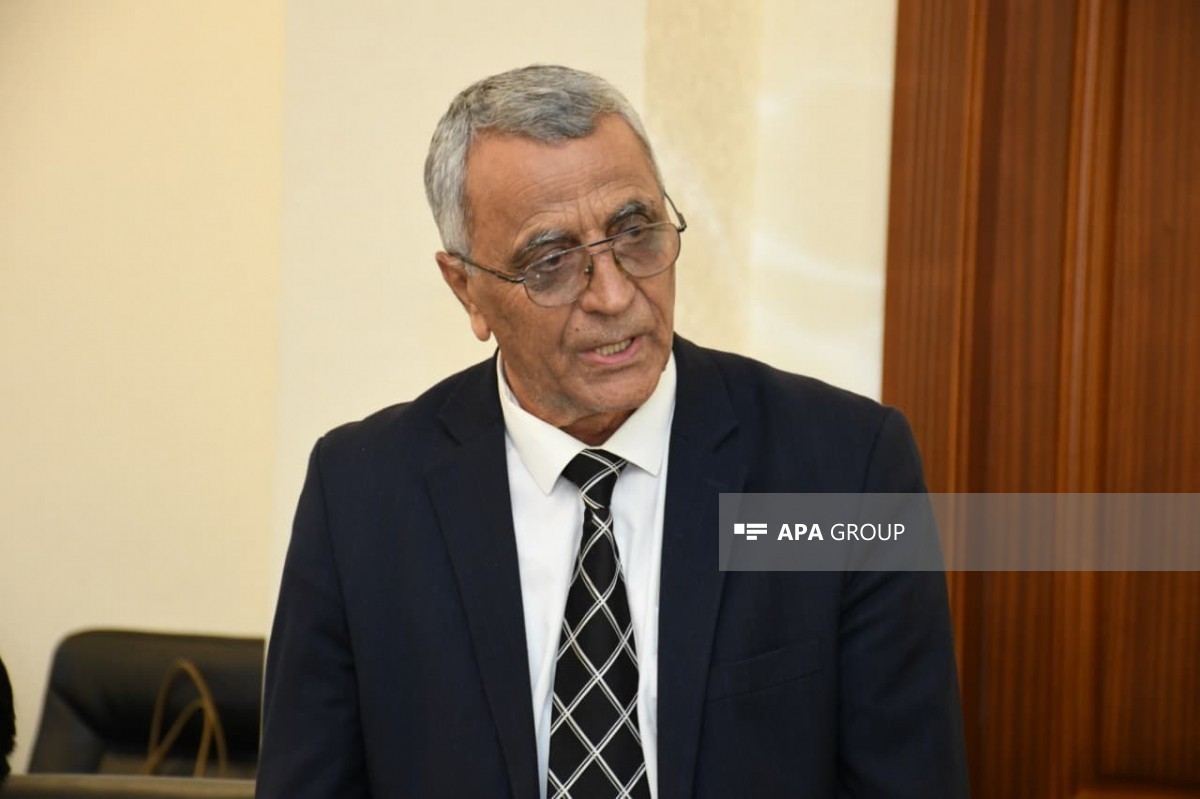
At the seminar, Mahabbat Pashayeva, head of the UNEC Multiculturalism Research Center and a leading researcher at ANAS, professor, delivered a presentation. Mahabbat Pashayeva provided detailed information about the rich Albanian Christian monuments, including the Kipchakvank Monastery located in the ancient village of Kipchak, Gulvank, Goshavank, and Tatev, and substantiated with scientific facts that the architectural style of these monuments is completely different from Armenian religious architecture.
The speaker said that Albanians were one of the indigenous ethnic groups that participated in the ethnogenesis of the Azerbaijani people and that this ancient Christian heritage belongs to the historical and cultural heritage of the Azerbaijani people.
During the event, it was noted that the historical Azerbaijani lands currently located within the territory of the Republic of Armenia — Goycha, Zangezur, Daralayaz, Iravan, and other regions — had for centuries been within the cultural and political sphere of influence of Caucasian Albania.
During the seminar, detailed information was provided about cultural vandalism and the policy of falsification against the Albanian heritage, and evidence was presented. In particular, visual documents were presented concerning the looting of archives, the erasure of stone inscriptions, and the process of Gregorianization of Albanian elements following the abolition of the Albanian Apostolic Church by a decision of the Russian Synod in 1836 and its subordination to the Armenian Gregorian Church. Facts such as the theft of the ancient Albanian stele from the Aghoghlan temple during the years of occupation and alterations to the altar sections of monuments were brought to the attention of the participants.
At the end of the event, the importance of protecting the Albanian heritage in Western Azerbaijan, ensuring its objective recognition internationally, and guaranteeing the right of scholars to conduct unhindered scientific research in these territories was emphasized. The achievements of Azerbaijan’s international multiculturalism policy in this area, including the significance of international scientific conferences held at the Pontifical Gregorian University in Rome, were also noted.
The seminar concluded with extensive discussions on the topic and a question-and-answer session.


 Follow us on Telegram
 t.me/apanewsaz
 Follow us on Instagram
 Follow us on TikTok
 Follow us on Facebook
 Follow us on X