





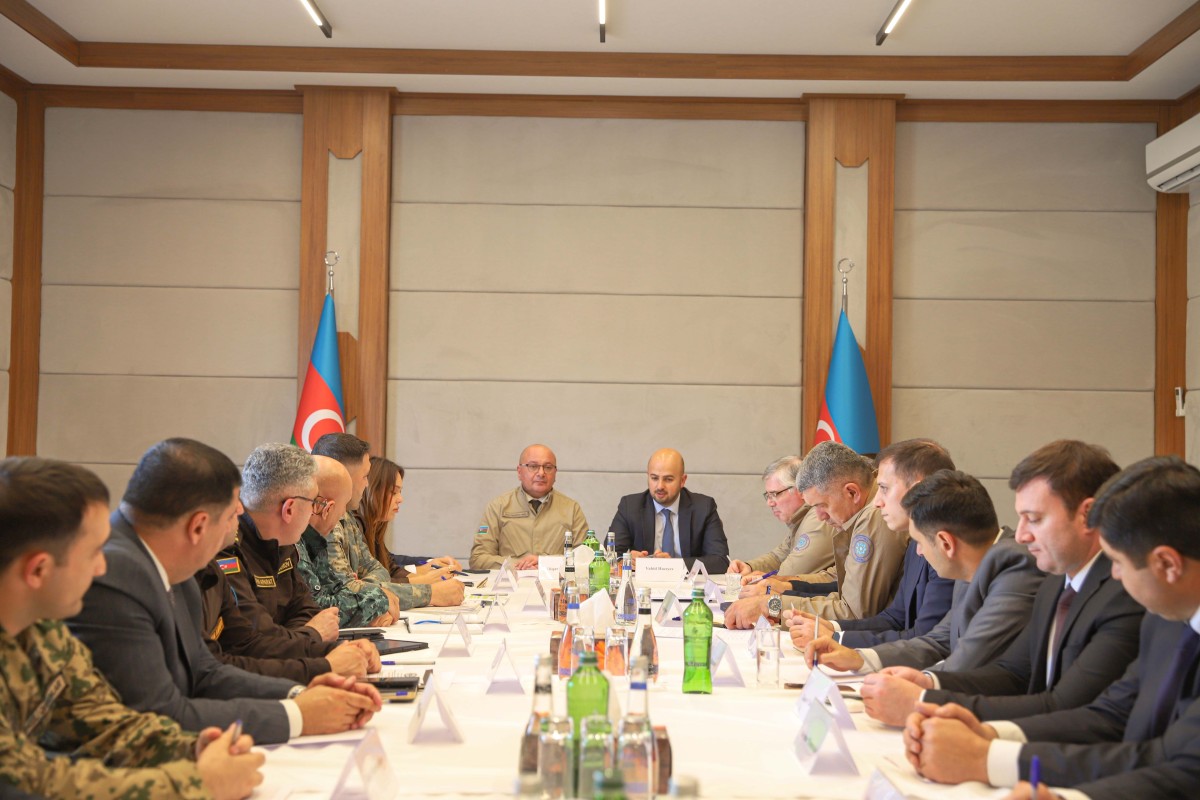


The next meeting of the Working Group on Mine and Unexploded Ordnance Clearance, operating under the Interdepartmental Center of the Coordination Headquarters, was held in Jabrayil district, APA reports.
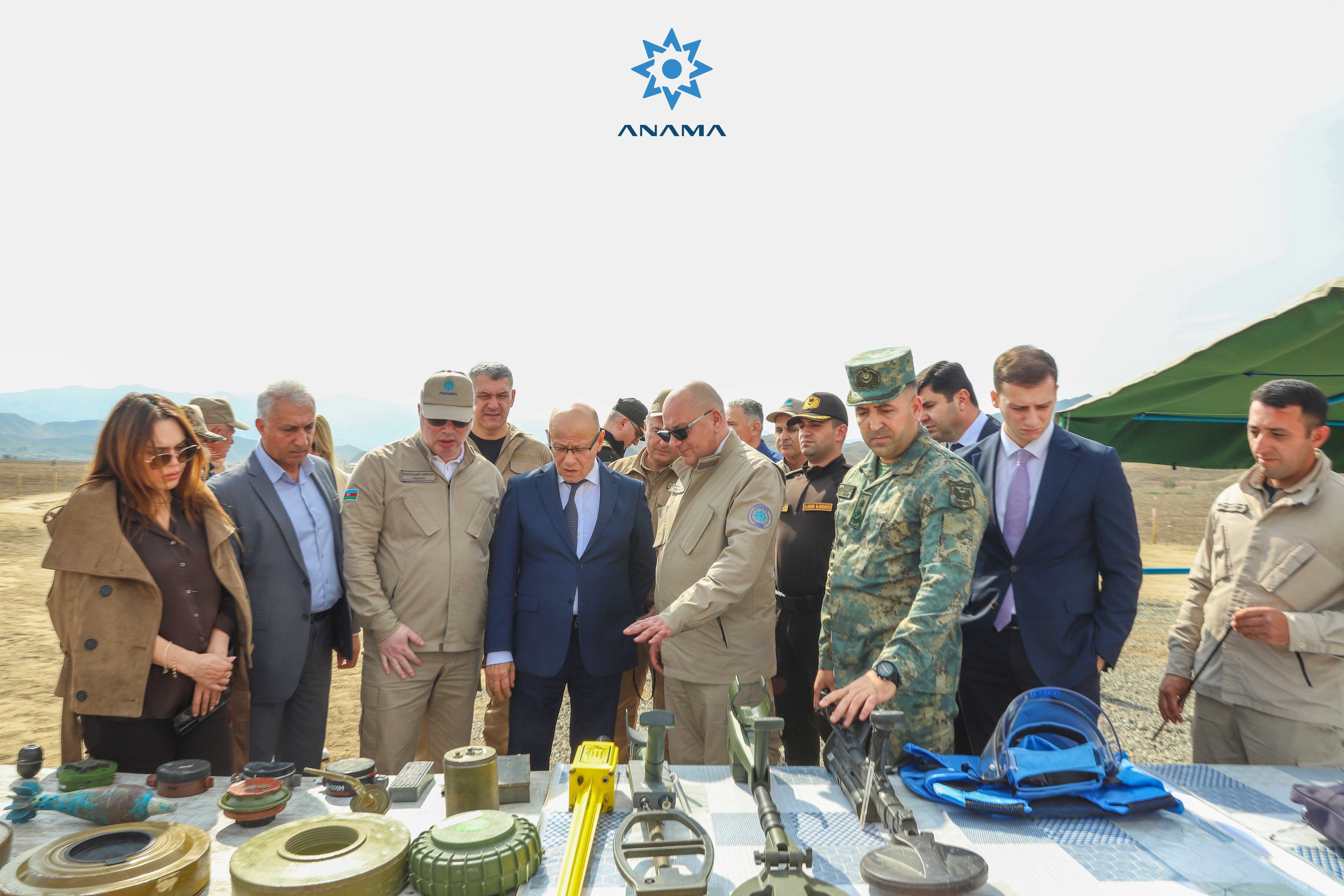
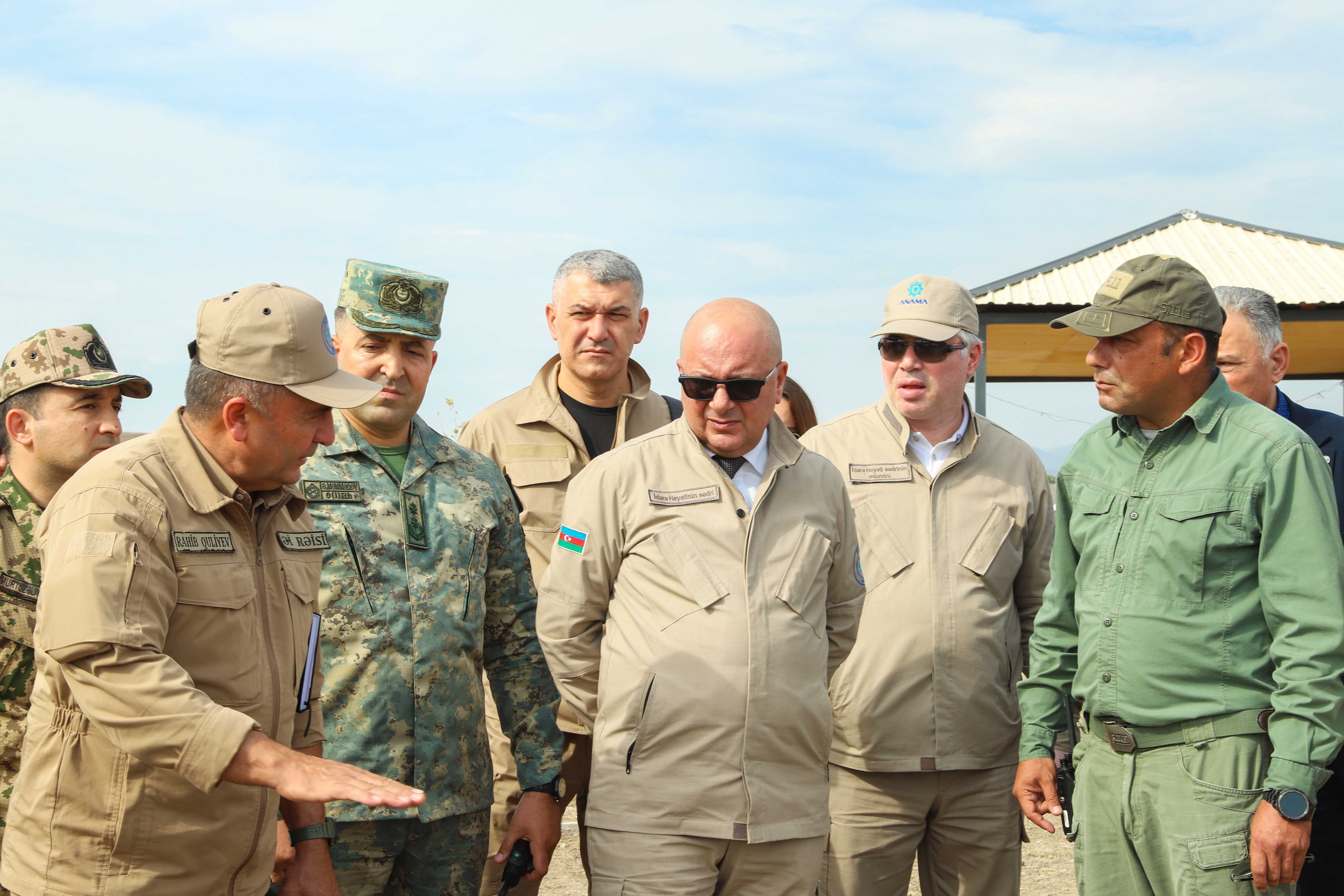
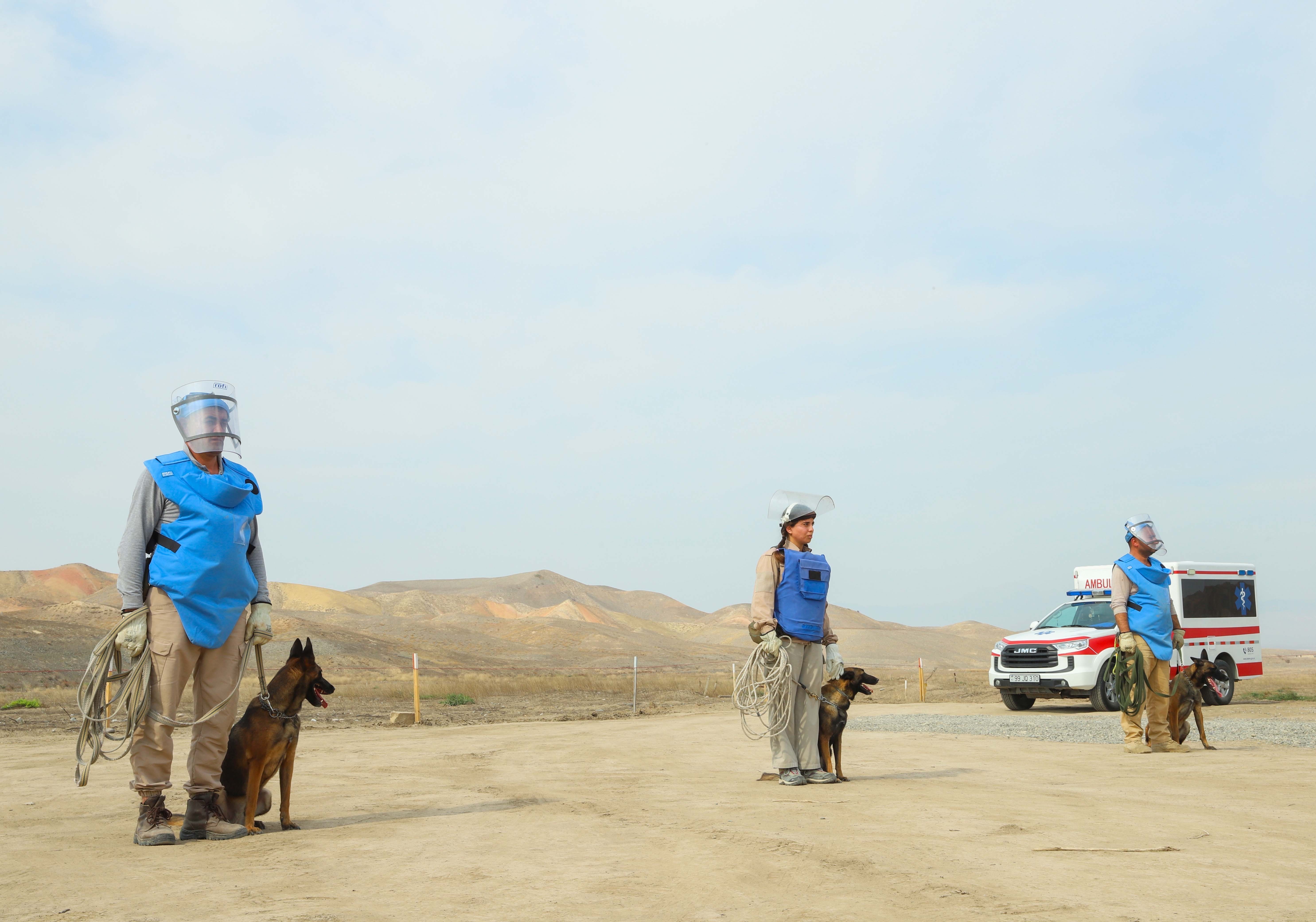
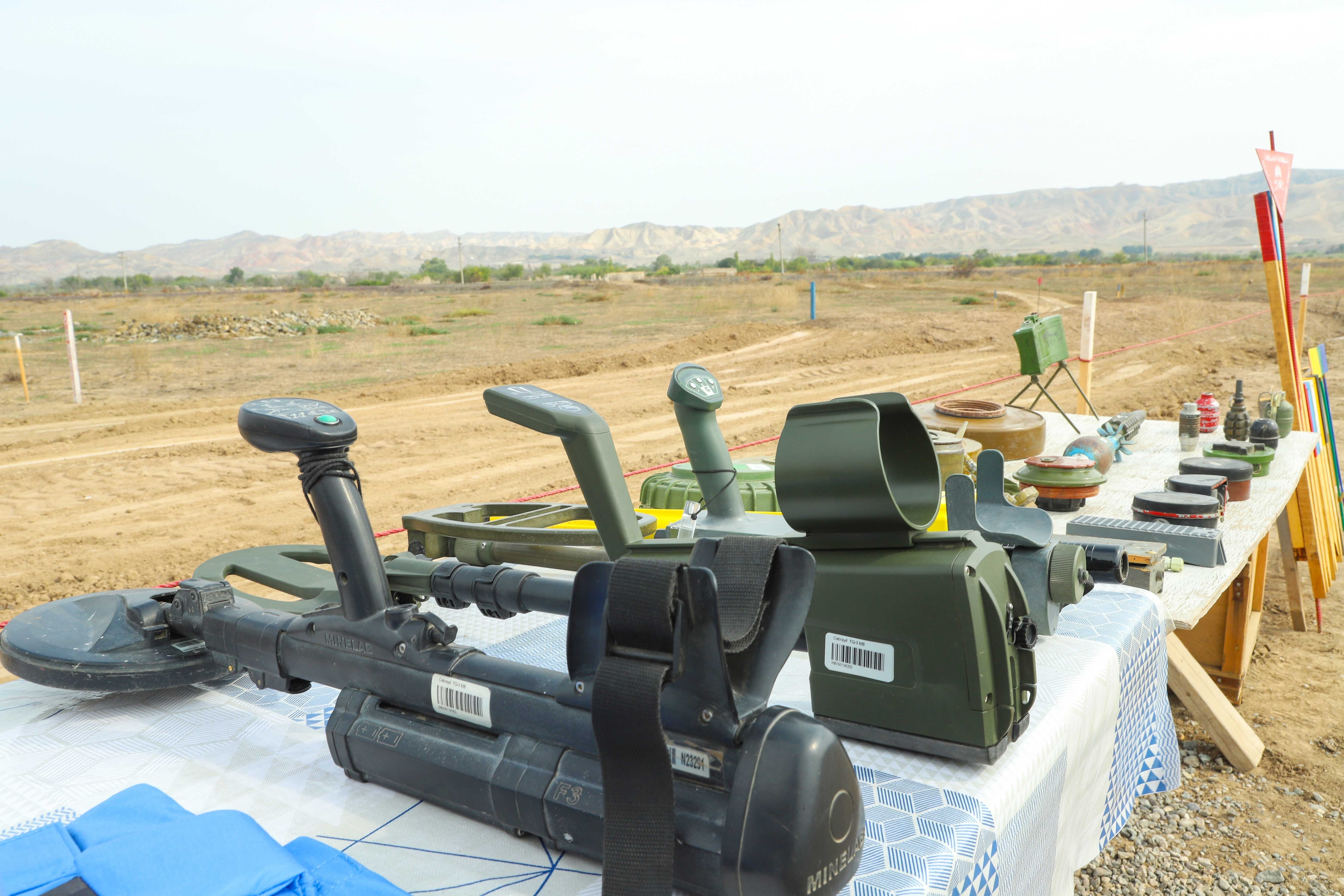
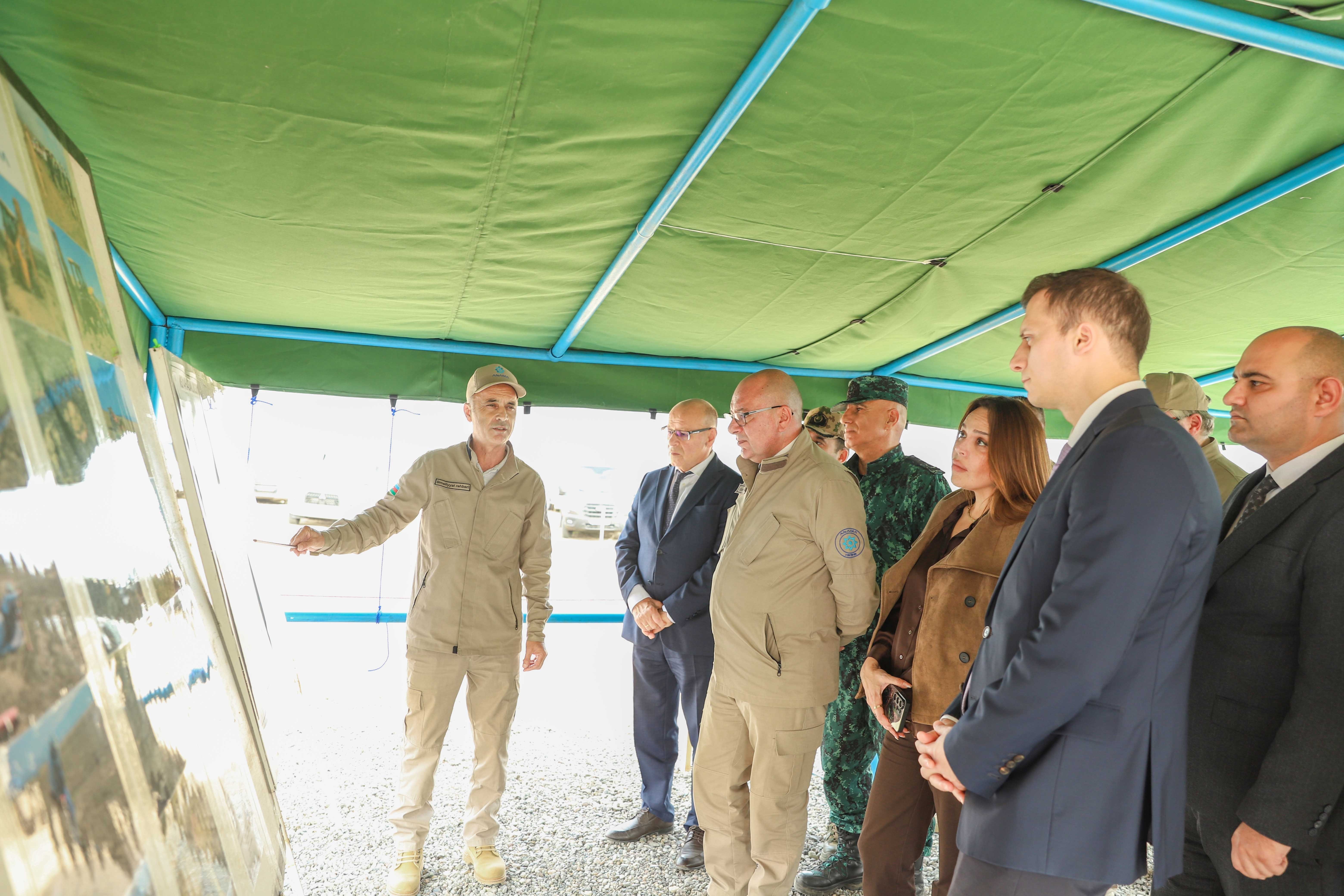
As part of the visit to Jabrayil district, representatives of the Azerbaijan National Agency for Mine Action (ANAMA) and relevant state institutions represented in the Working Group familiarized themselves with humanitarian demining activities carried out by ANAMA in Hasanli village of Jabrayil district and by a local company involved in mine clearance operations in Guyjag village of Jabrayil district. Members of the Working Group observed the progress of the work and were informed about the methods and technologies applied in accordance with the terrain.
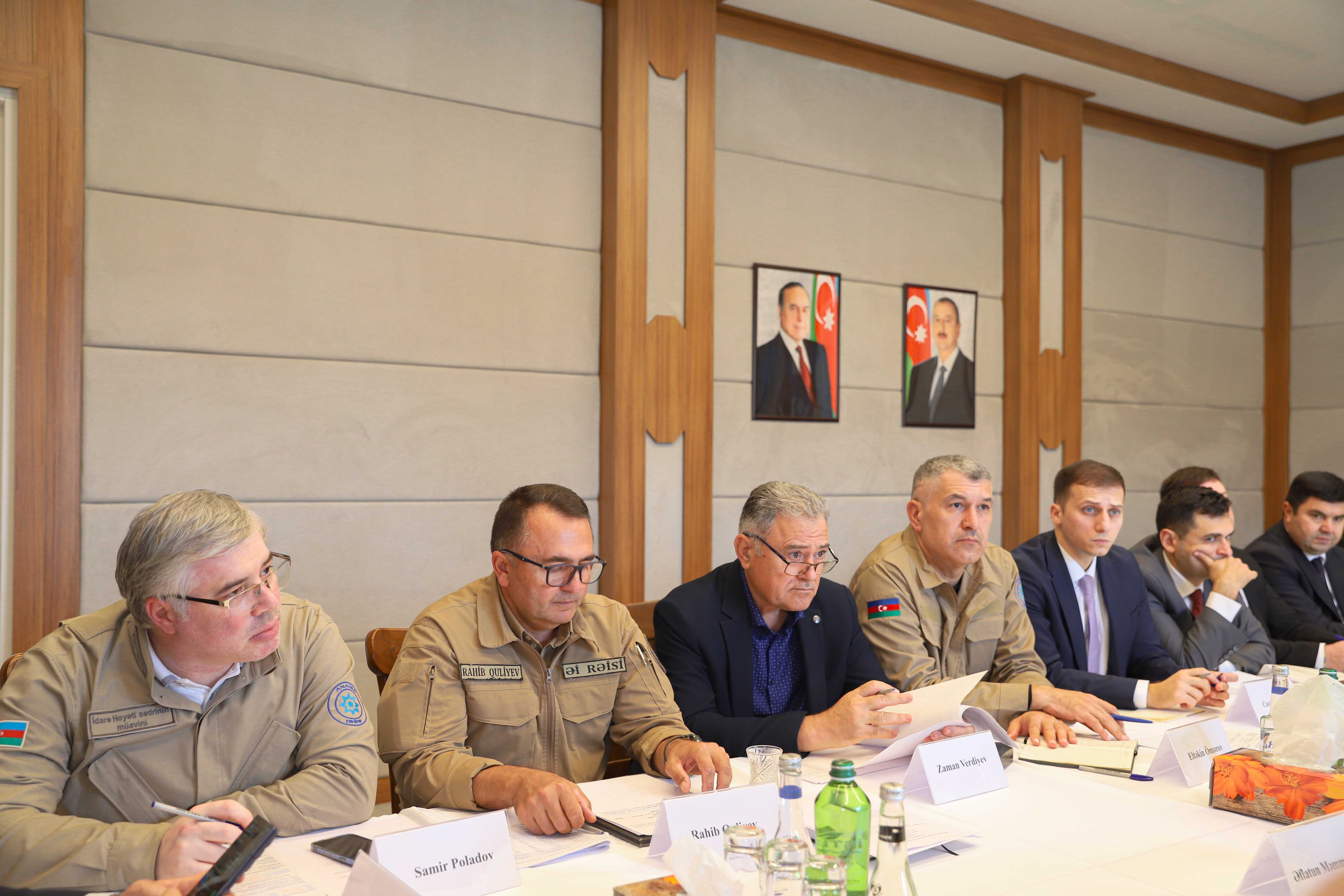
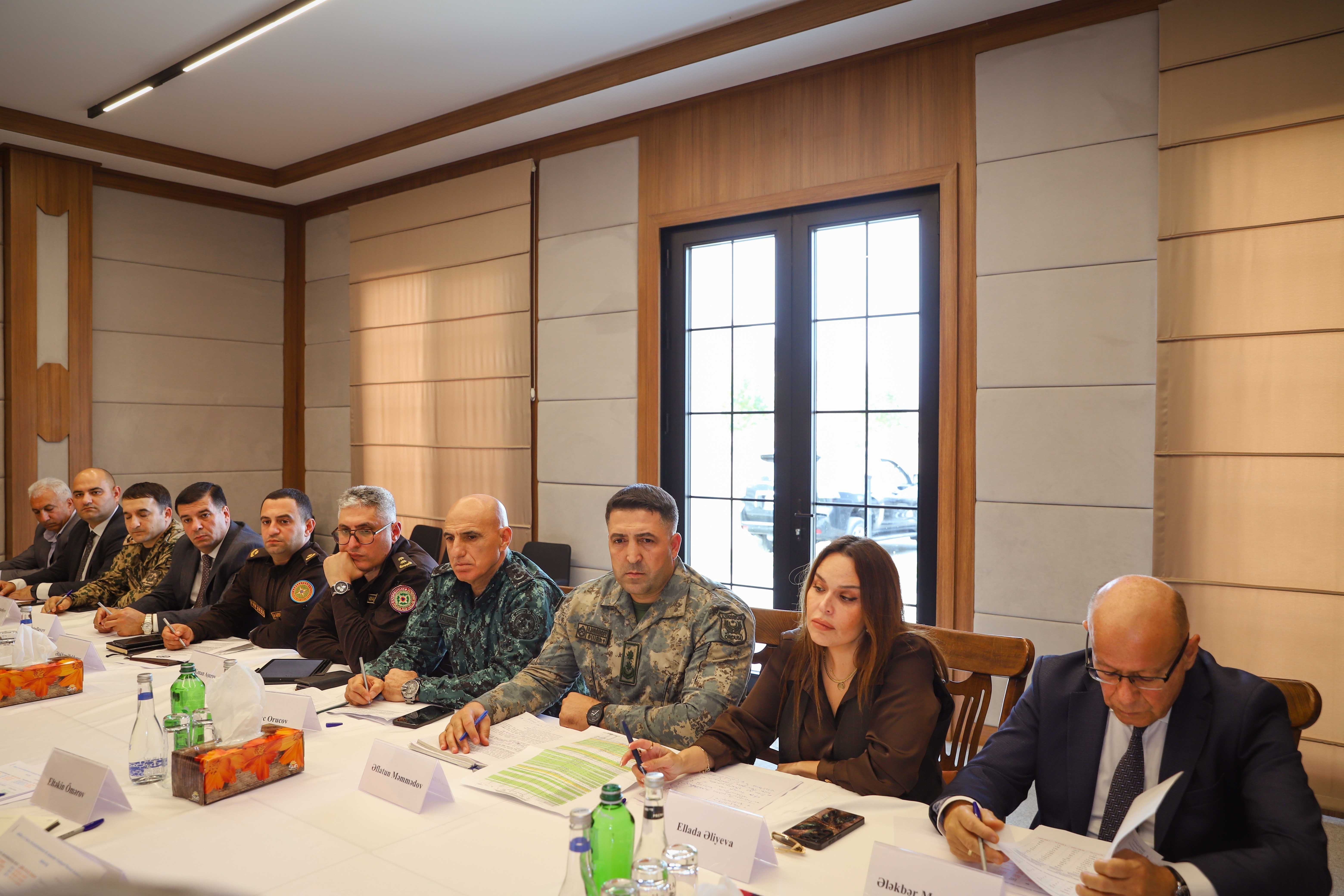
Following the field visit, the next meeting of the Working Group was held in the city of Jabrayil.
Speaking at the meeting, Vugar Suleymanov, Chairman of the Board of ANAMA and Head of the Working Group, emphasized the importance of measures being implemented to eliminate the mine threat in the liberated territories. He noted the importance of joint efforts to effectively organize mine clearance activities, ensure coordinated work among relevant institutions, and guarantee the safe use of the territories.
It was reported that a total of 308,945 hectares of land, including 100,930 hectares in Jabrayil, Gubadli and Zangilan districts, have been cleared of mines and other explosive ordnance. As a result of clearance operations, 267,932 explosive devices have been detected and neutralized. To ensure safety, fencing work has been carried out along 412 kilometers of the former line of contact in areas heavily contaminated with mines and other explosive ordnance.
Speaking at the meeting, Vahid Hajiyev, Special Representative of the President of the Republic of Azerbaijan in Jabrayil, Gubadli and Zangilan districts, stated that mine clearance activities play an important role in the successful continuation of restoration and reconstruction work in the liberated territories. He emphasized that clearing land of mines and unexploded ordnance is particularly important for ensuring public safety, accelerating the return of former internally displaced persons to their native lands, and effectively implementing infrastructure and economic projects.
Other members of the Working Group provided information on mine clearance activities carried out by the institutions they represent. The meeting also emphasized the importance of observing mine warning signs and discussed the potential risks and negative consequences of interference with fenced-off areas, as well as ways to prevent such incidents.


 Follow us on Telegram
 t.me/apanewsaz
 Follow us on Instagram
 Follow us on TikTok
 Follow us on Facebook
 Follow us on X