













The tangled relationship between history and politics was underlined last week when the US House Foreign Affairs Committee narrowly voted to label the 1915 massacre of Armenians in the Ottoman Empire as ‘genocide’ (BBC, March 5). In principle the resolution now moves to the floor of the House for a full vote.
In practice, this is unlikely to happen. The Obama Administration stayed oddly quiet in the run-up to the committee vote, until, at the last minute, Secretary of State Hillary Clinton acted. She called on committee chairman Howard Berman to acknowledge that a vote would damage US-Turkish ties and undermine efforts at reconciliation between Turkey and Armenia. The US government is now moving to block the resolution coming before the full House (RFE/RL, March 5).
However, its opposition has been weak, and certainly less vociferous than that of George Bush in 2007, when a similar resolution was passed. The current Administration’s last-minute scramble looks like a foreign-policy miscalculation rather than a deliberate omission, although the reaction in Turkey is nonetheless furious.
If the resolution stays out of the House, then Turkey is likely to limit its immediate response to angry protests and denunciations. However, the longer term implications are harder to gauge, and potentially serious. Suat Kiniklioglu, a representative of Turkey’s ruling AKP, made it clear that the implications of a full vote would be serious: “Everything from Afghanistan to Pakistan to Iraq to the Middle East process would be affected. There would be major disruption to the relationship between Turkey and the US" (Guardian, March 5).
The most commonly voiced danger is that Ankara would deny the US access to the Incirlik air base, a vital logistical hub for supplying Afghanistan and an essential part of any plan to withdraw from Iraq. Turkey might also withdraw its forces from Afghanistan. Either of these may be too harsh and too obvious a measure, but both will become more viable options if the relationship deteriorates further. The main danger is more subtle. Turkish cooperation on vital issues would be much harder to come by. In particular, securing Ankara’s assistance to pressure Iran over its nuclear programme would be extremely difficult.
The damage may already have been done. The perception that Washington does not value Turkey’s strategic leverage has been underlined by the vote, even if the White House now fights to stop it going to the House. In a politically charged atmosphere such as Turkey, the actions of the US legislature are likely to be conflated with the opinions of the executive.
In this respect the remarks of committee chairman Berman come across as flippant and dismissive. He stated that Turkey is “a vital and, in most respects, a loyal ally of the United Statesâ€, which could easily be construed as a patronising chastisement (House Foreign Affairs Committee, March 4). More significantly, he brushed aside Turkish criticism by arguing that “Turkey values its relations with the United States at least as much as we value our relations with Turkey.†In other words, you need us too much to respond to this.
Such attitudes will hardly reduce the existing strains on the Turkish-American alliance. Recent events will intensify Ankara’s strategic shift towards Russia (notwithstanding the fact that Russia’s State Duma too has officially recognised 1915 events as genocide). Any policies or geopolitical shifts which seem to oppose ‘American imperialism’ will be loudly welcomed on the Turkish streets, a fact which will not be lost on the populist AKP.
In fact, although the Turkish government asserts otherwise, this growing tide of nationalist anger could do serious damage to the protocols which would formalise the rapprochement with Armenia. The AKP holds the parliamentary majority necessary to ratify the protocols, but was unwilling to push the matter too hard even before the US committee vote. In the aftermath of the resolution, nationalist anger will only intensify, forcing the AKP to expend even more political capital on ratification.
It may be unwilling to do so, and prefer to view the current clamour as a justification to block ratification, blaming the issue on Armenia and its powerful diaspora in the US. Reassuringly, it seems the AKP, hoping that a full House vote on the resolution will be blocked, is unlikely to resort to such measures at the moment, although the rapprochement has certainly been damaged by the vote – as Turkish Foreign Minister Ahmet Davutoğlu observed bluntly, “Further intervention by third parties will render this normalization impossible†(Sundays Zaman, March 7). Turkey undertook the rapprochement out of its own national interest, not to please Washington, but the vote looks like a clumsy attempt to lean on Ankara.
That is the crux of the matter. Mr Berman insists that the resolution is simply historical. But Washington must understand that this vote is construed – in Ankara and across Turkey – as undue, poorly-timed pressure on the normalisation process between Turkey and Armenia. After all, Turks may reasonably ask, why now?
The Obama Administration is likely to salvage the matter for now by keeping the vote out of the House. But its lacklustre response to the issue will not win America many friends in Turkey, which has been decidedly underwhelmed by the US in recent years. Simply assuming that Turkey needs America, or taking it for granted, is short-sighted. The consequences of the current crisis may not be visible for some time, but they could be serious.


 Follow us on Telegram
 t.me/apanewsaz
 Follow us on Instagram
 Follow us on TikTok
 Follow us on Facebook
 Follow us on X
Political
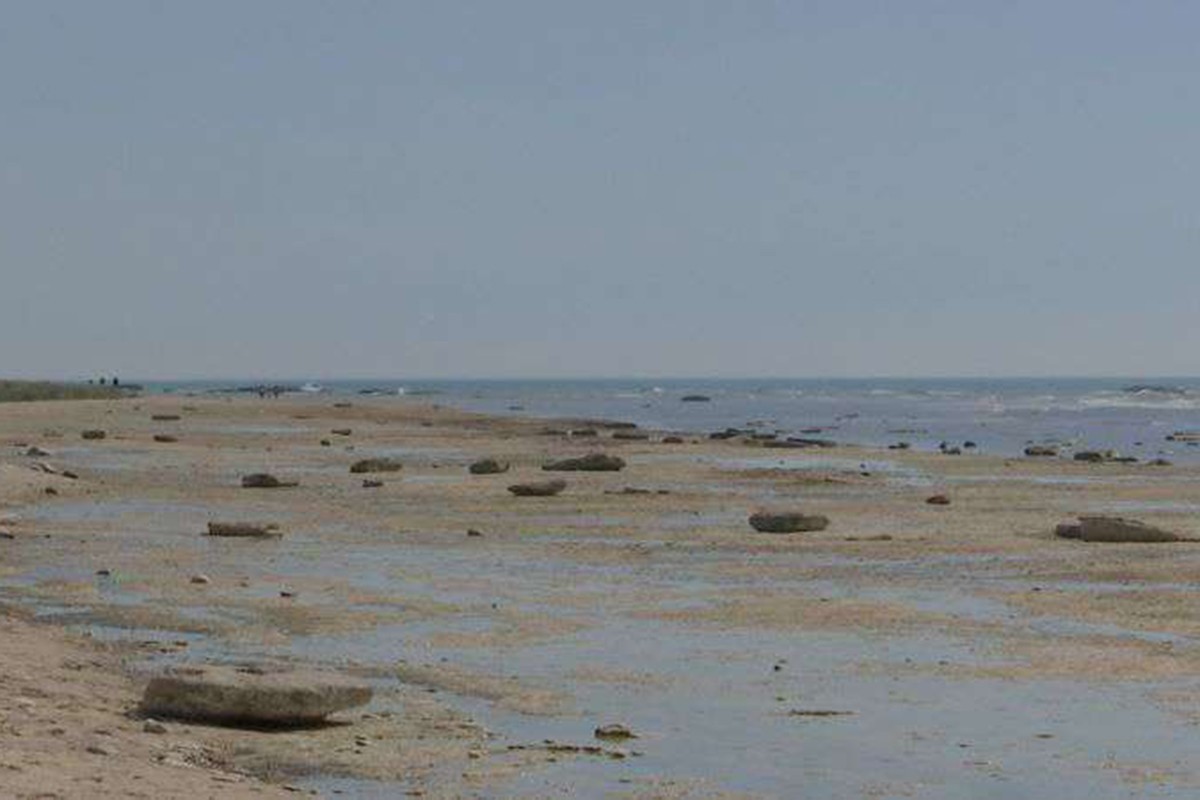
Alarm bells over the Caspian Sea: Sharp decline in water levels poses not only environmental but also economic and strategic challenges - ANALYSIS
 16:15
16:15
 9 October 2026
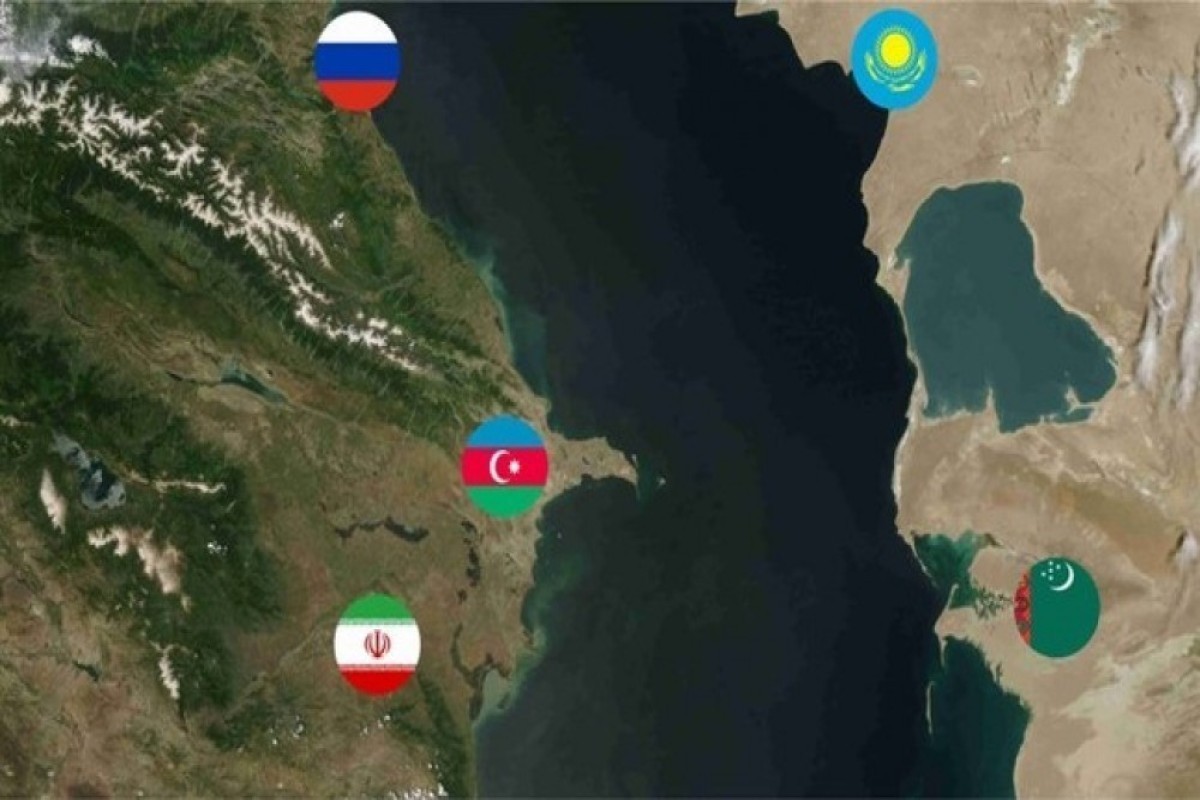
Caspian Environmental Summit: Sea’s environmental problems to be discussed in five-party format - COMMENTARY
13:34
9 October 2026
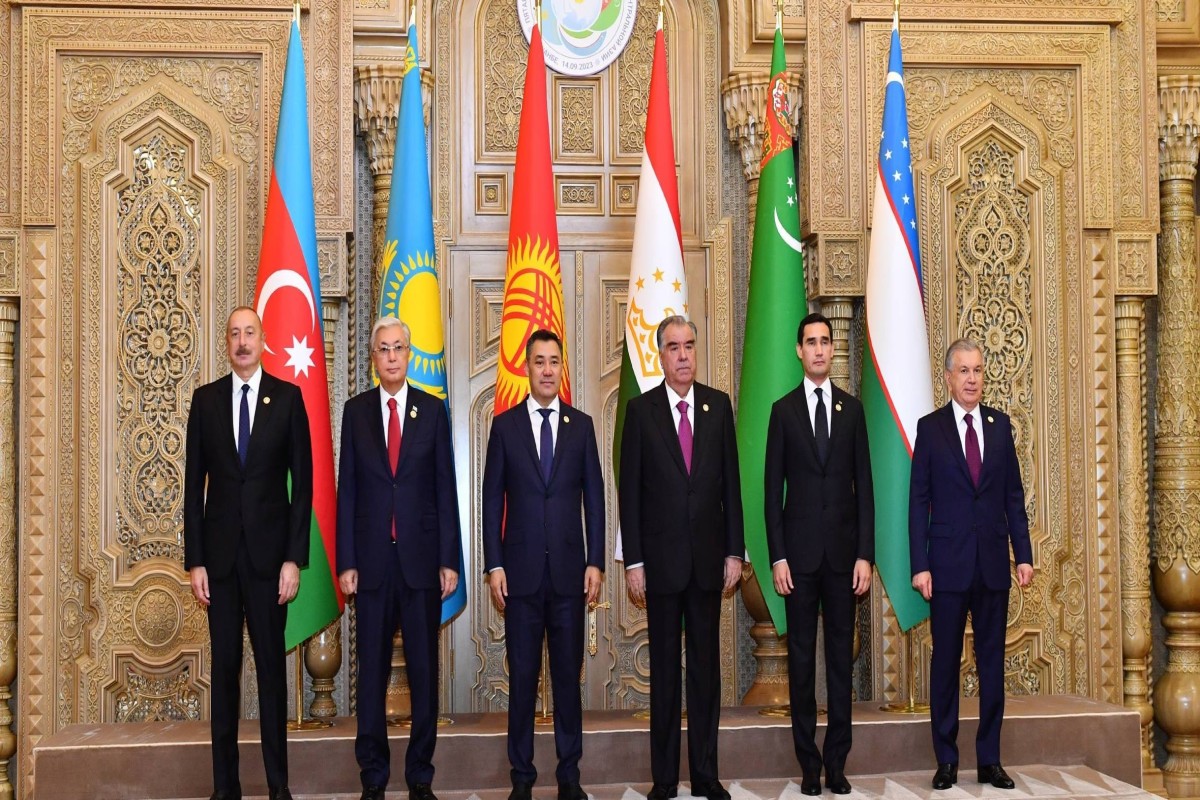
Consultative Meeting of Central Asian and Azerbaijani Heads of State: Cooperation format transforms into C6 - COMMENTARY
10:39
8 October 2026
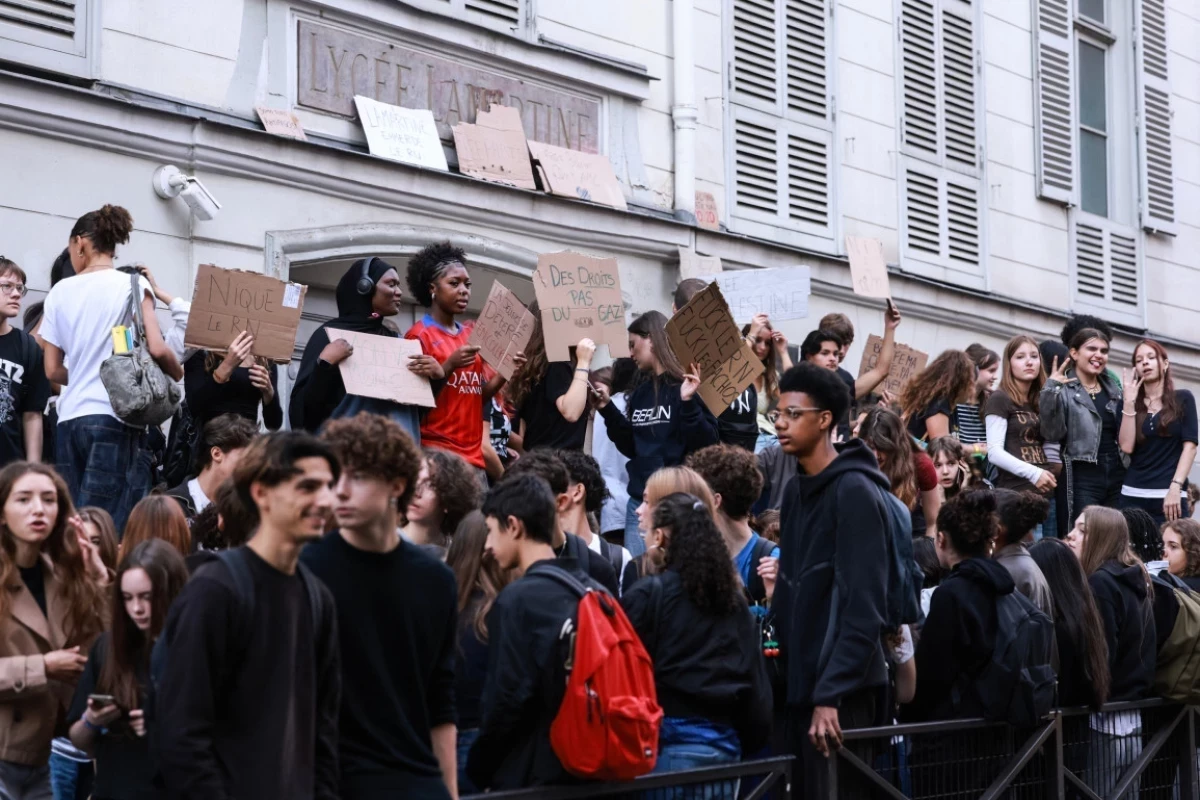
School protests in France: International organizations remain silent on human rights violations - COMMENTARY
14:26
7 October 2026

NEWS FEED
More than 40 flights to Istanbul have been diverted to other airports
04:09
15 October 2026
Houthis claim hit on Saudi fighter jet
03:41
15 October 2026
US destroys Iran-linked ship in Gulf of Oman
02:37
15 October 2026
Aston Villa beat Fenerbahce 6-0 in Champions League clash at Villa Park
02:10
15 October 2026
Media and Broadcasting Council and Ministry of Health release joint statement
01:37
15 October 2026
Trump: Canada will end up being 51st state
01:14
15 October 2026
Istanbul roads collapse, traffic hits 90% as flooding continues
00:52
15 October 2026
Banks, buildings burn as Albania's capital Tirana erupts into student violence
00:26
15 October 2026
Six years pass since Armenian army's shelling of Terter cemetery
00:00
15 October 2026
Haberturk: Teenager dies from electric shock during heavy rain in Istanbul
23:45
14 October 2026
Ukrainian President rules out resigning, holding elections
23:39
Audio
14 October 2026
FBI denies Patel's visit to Russia
23:16
14 October 2026
Britain will develop military equipment for Ukraine
23:00
14 October 2026
Dinner hosted on behalf of President Ilham Aliyev in honor of participants of 7th CICA Summit
22:44
14 October 2026
French President to visit Gulf states from October 19 to 21
22:34
14 October 2026
President Ilham Aliyev met with President of Tajikistan
22:18
14 October 2026
President Ilham Aliyev met with President of Uzbekistan-UPDATED
21:50
14 October 2026
US plans to deploy hundreds of thousands of kamikaze drones
21:41
14 October 2026
Zelenskyy says he feels 'betrayed' by Trump's actions
21:25
14 October 2026
FBI Director Patel visits in Russia
20:37
14 October 2026
Iranian FM, Lebanese President discuss developments in Lebanon and the region
20:27
14 October 2026
Le Pen and Melenchon gain momentum ahead of French 2027 election, poll shows
20:11
14 October 2026
Amir of Qatar arrives in Azerbaijan
19:35
14 October 2026
Hakan Fidan arrives in Baku - UPDATED
19:13
14 October 2026
President Ilham Aliyev met with President of Israel
19:11
14 October 2026
President Ilham Aliyev receives member of Political Bureau of CPC Central Committee
19:09
14 October 2026
President Ilham Aliyev receives Bahrain’s Foreign Minister
19:09
14 October 2026
Georgia not invited to EU forum
19:08
14 October 2026
President of Azerbaijan receives Sri Lankan minister
19:06
14 October 2026
President Ilham Aliyev met with Vietnamese Vice President
19:06
14 October 2026
State Migration Service: More than 30 Azerbaijani citizens readmitted from Germany
18:48
14 October 2026
MP from Pashinyan’s party denied entry to Russia
18:32
14 October 2026
Shavkat Mirziyoyev arrives in Baku - UPDATED
18:30
14 October 2026
Azerbaijani delegation familiarizes itself with operations of Kazakhstan’s leading ports and terminals
18:22
14 October 2026
Azerbaijani and Kyrgyz delegations hold meeting - VIDEO
18:15
14 October 2026
“Falcons Meet - 2026” joint tactical flight exercise continues - VIDEO
18:14
14 October 2026
Trump did not invite OSCE observers to the U.S. midterm elections
18:10
14 October 2026
Chinese and Russian foreign ministers meet in Baku
18:08
14 October 2026
Emomali Rahmon arrives in Azerbaijan
18:03
14 October 2026
Kyrgyz President arrives in Azerbaijan
17:47
14 October 2026
NATO Secretary General: No need for idea of unified European army
17:32
14 October 2026
Prime Ministers of Azerbaijan and Cambodia meet in Baku
17:29
14 October 2026
Kanak politician: We cannot allow France to continue its colonial policy
17:26
14 October 2026
Azerbaijan-Laos investment and business forum held in Baku - PHOTO - UPDATED
17:26
14 October 2026
Kazakh President begins visit to Azerbaijan
17:23
14 October 2026
Agreement reached on draft documents to be adopted at 7th CICA Summit in Baku tomorrow
17:19
14 October 2026
Assessment of OPEC+ countries’ production capacities to be ready by year-end
17:15
14 October 2026
Azerbaijani and Kyrgyz delegations hold meeting - VIDEO
17:11
14 October 2026
Russian FM arrives in Azerbaijan - UPDATED
16:58
14 October 2026
Novak: Diesel agreement with US will increase oil production in Russia
16:56
14 October 2026


