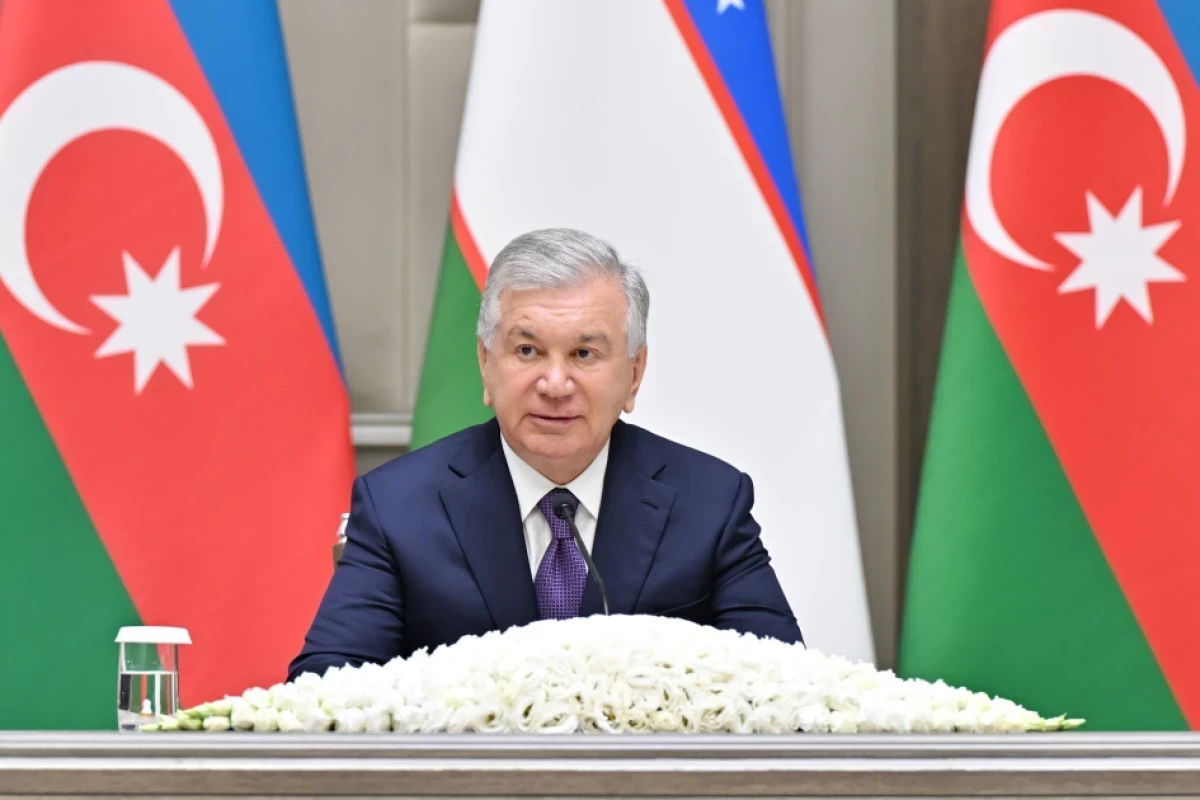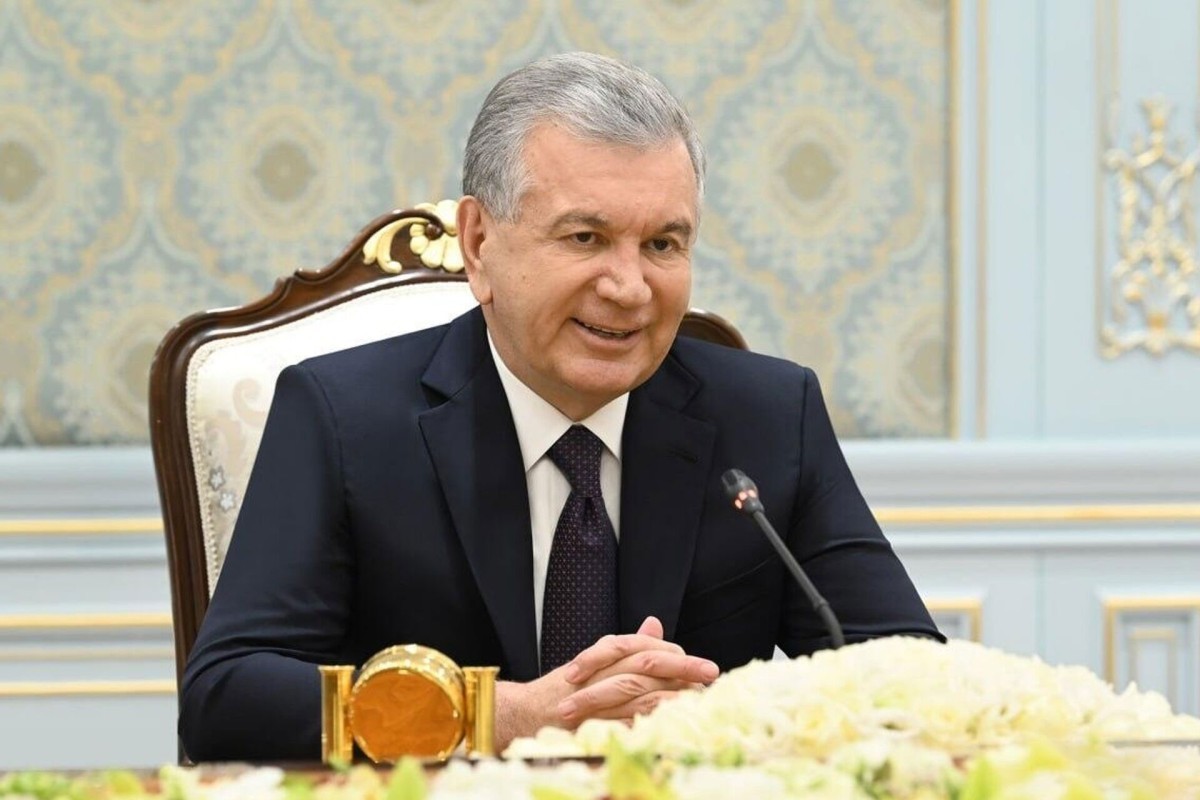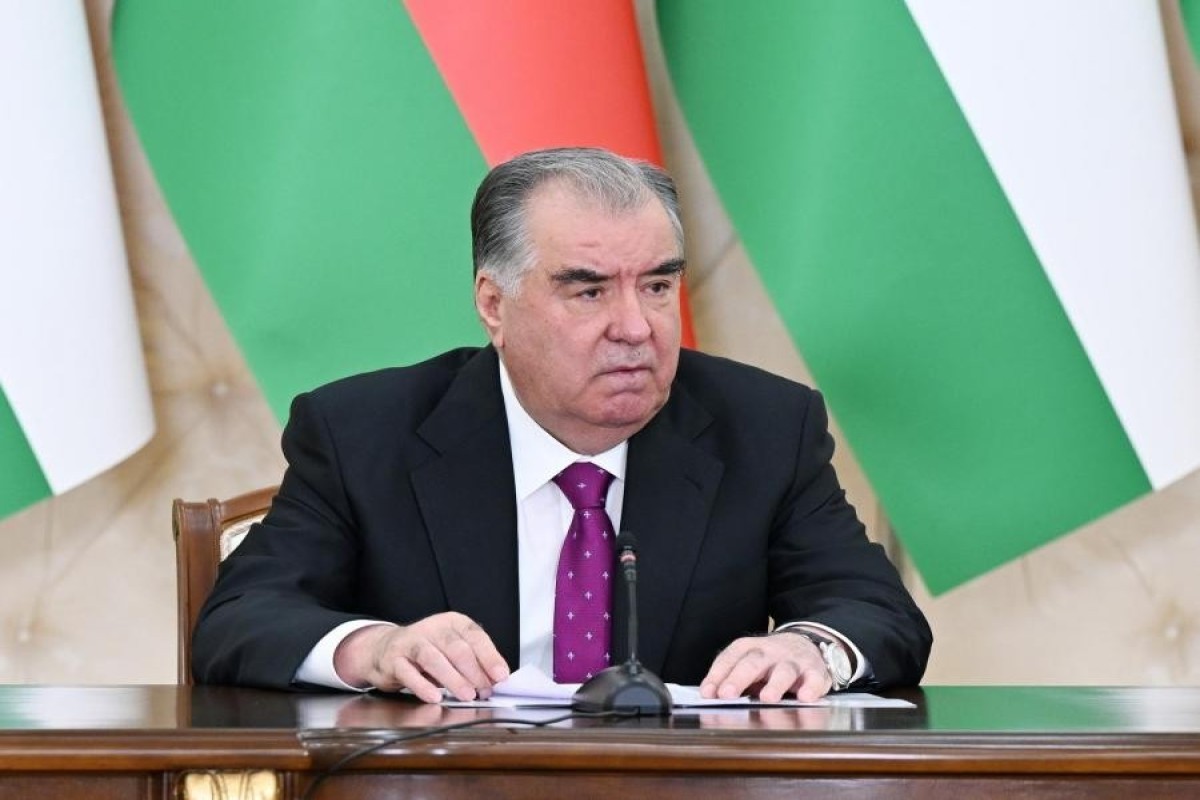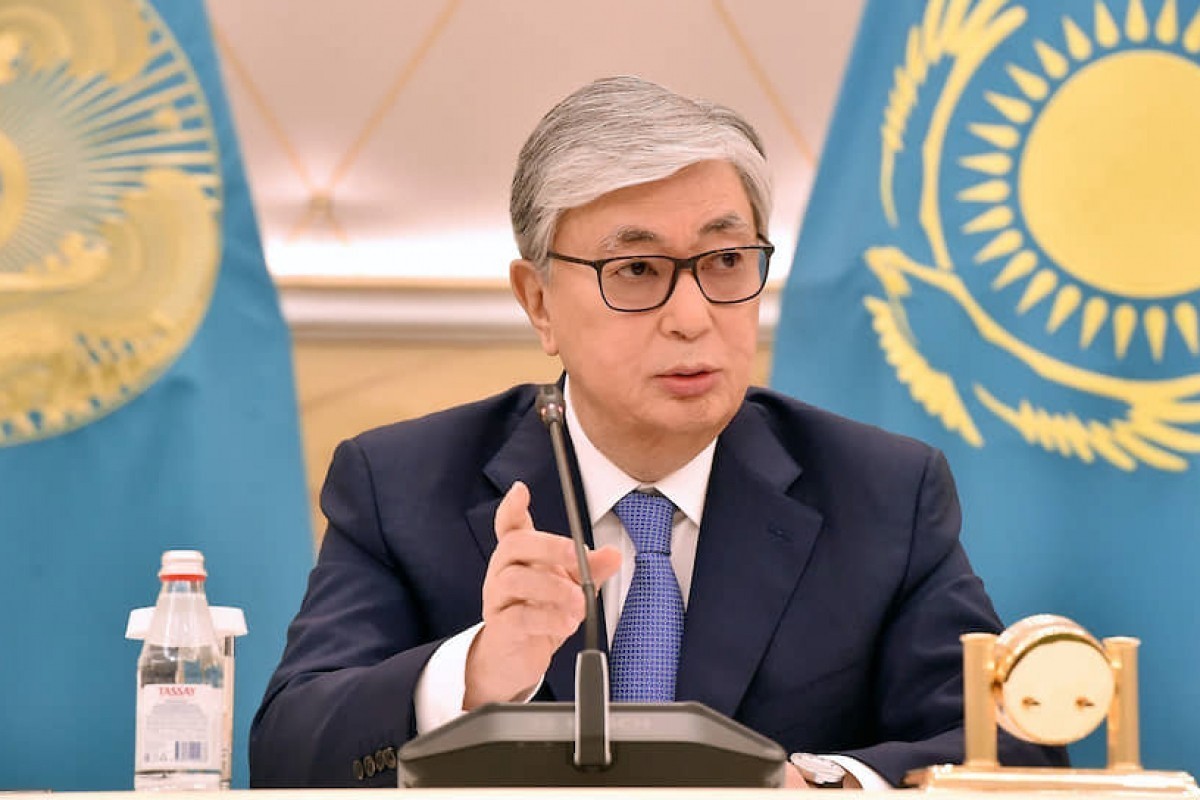


Kazakhstan proposes that Central Asian countries and Azerbaijan develop a declaration on the responsible use of artificial intelligence, President of Kazakhstan Kassym-Jomart Tokayev said during his speech at the 8th Consultative Meeting of the Heads of State of the Republic of Azerbaijan and Central Asian countries, held in the city of Turkmenbashi, APA's correspondent dispatched to Turkmenistan reports.
"In my opinion, we should begin jointly developing approaches that will ensure control over critical technologies," Tokayev noted.
The President of Kazakhstan stated that maintaining peace and stability in the region remains a key priority amid global instability. According to him, terrorism, drug trafficking, arms and human trafficking, illegal migration, organized crime and fraud continue to pose serious security threats.
Tokayev emphasized that the use of digital technologies by criminals, particularly drug cartels, is of particular concern. He noted that methods of combating these threats must also be adapted to the demands of the modern era.
The President of Kazakhstan said that preserving the rich historical and cultural heritage that unites the countries of the region and passing it on to future generations is a shared moral responsibility. He proposed expanding humanitarian cooperation through youth exchanges, ties between universities and scientific institutions, and dialogue among representatives of the creative intelligentsia.
Tokayev also proposed holding a youth forum on volunteering in 2027 under the slogan "Central Asia – a common space of good deeds."
He also proposed developing a common calendar of major cultural, sporting, tourism and scientific events held in Central Asian countries and Azerbaijan. According to Tokayev, this step would encourage mutual visits and attract foreign tourists to the region through combined tour packages.
The President of Kazakhstan stressed the importance of preserving the Consultative Meetings as a platform for direct dialogue between leaders, free from excessive formalization.
He added that only a small proportion of the more than 200 initiatives put forward since 2018 have been implemented, and that foreign policy agencies should analyze the relevance, prospects and implementation status of regional initiatives.



 Follow us on Telegram
 t.me/apanewsaz
 Follow us on Instagram
 Follow us on TikTok
 Follow us on Facebook
 Follow us on X