





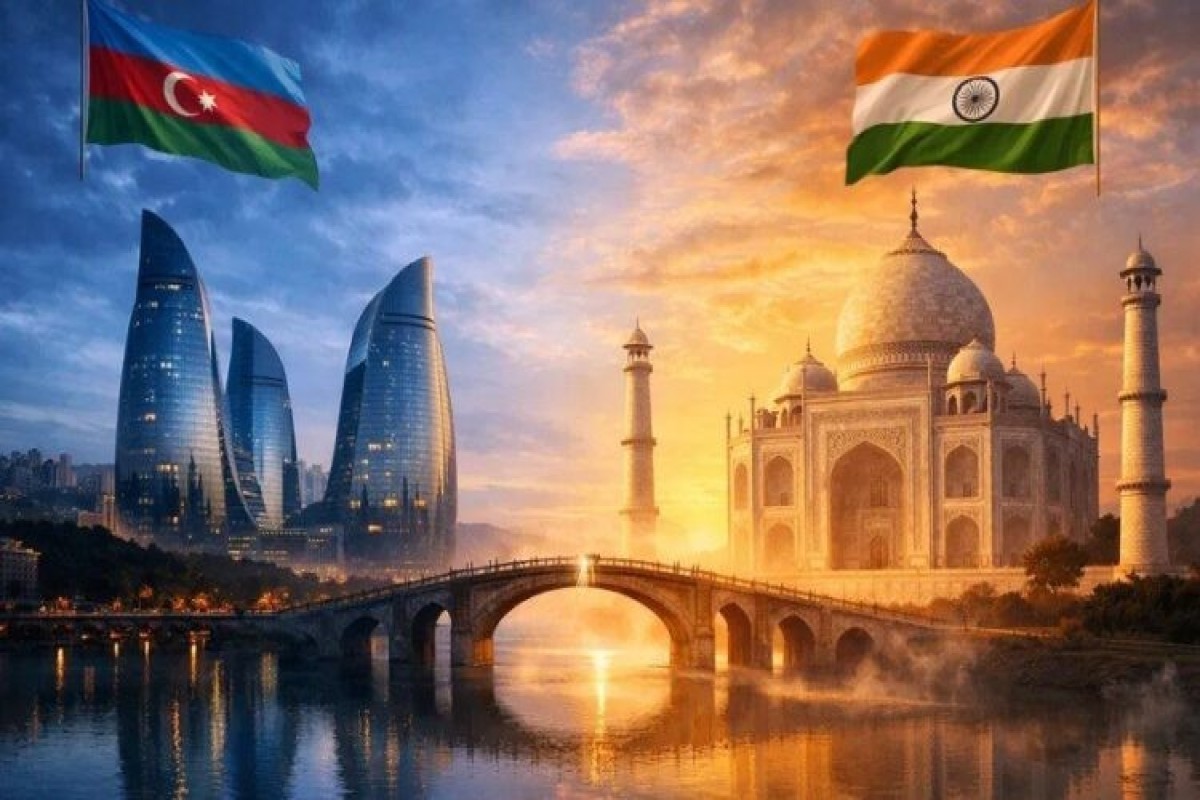


President of Azerbaijan Ilham Aliyev's reception of Indian Minister of External Affairs Subrahmanyam Jaishankar on October 23 is an important political event in terms of the development of relations between the two countries. This visit shows that positive changes are taking place in Azerbaijan-India relations, which have witnessed certain differences of opinion in recent years, and that the parties prefer constructive dialogue.
The visit of the head of India's foreign policy department to Baku is significant not only in terms of intensifying diplomatic contacts but also in identifying common interests on political, economic, and regional issues.
A new chapter in political relations
Azerbaijan prioritizes the development of relations with all countries based on the principles of mutual respect, sovereignty, and mutually beneficial cooperation. The expansion of political dialogue with India is also an integral part of this policy.
President Ilham Aliyev's reception of the Indian Foreign Minister demonstrates the existence of political will for relations between Baku and New Delhi to enter a new stage.
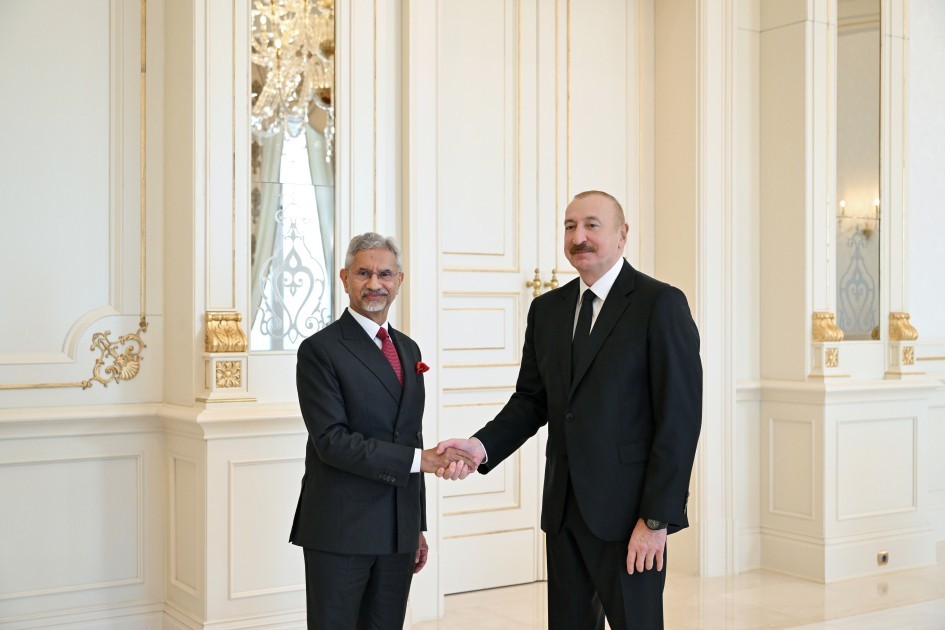
During the meeting, the head of state recalled with satisfaction his meeting and exchange of views with Indian Prime Minister Narendra Modi in Bishkek. Subrahmanyam Jaishankar's visit to Azerbaijan on the instructions of Narendra Modi was highly appreciated.
This point is of particular importance. The Indian Minister's arrival in Baku on the instructions of his country's leadership demonstrates that New Delhi pays attention to the development of relations with Azerbaijan at a high political level.
Relations between the two countries also have historical foundations. Azerbaijan and India are countries belonging to ancient civilizations. Over the centuries, relations between their peoples have developed through trade ties, cultural contacts, and the historic Silk Road. The preservation of historical traces of Indian culture in Azerbaijan confirms the ancient nature of these ties.
At the present stage, the main factors driving the development of relations are economic interests, regional security, and opportunities for international cooperation.
Global South and prospects for economic partnership
One of the important areas bringing Azerbaijan and India closer is cooperation within the framework of the Global South. Both countries are interested in strengthening the role of developing countries in the system of international relations.
During the meeting with President Ilham Aliyev, attention was also drawn to the fact that Azerbaijan and India are part of the Global South and share similar approaches to a number of issues on the international agenda.
There are also extensive opportunities in terms of economic relations. Indian companies are already participating in Azerbaijan's oil and gas projects. Existing experience in the field of investment may allow the parties to expand cooperation in other areas as well.
In particular, India's achievements in high technologies, information systems, and digital infrastructure create significant opportunities for cooperation with Azerbaijan.
Tourism is also among the promising areas. India's large tourism market, Azerbaijan's geographical location, historical monuments, and developing tourism infrastructure create conditions for increasing mutual tourist flows.
At the same time, India's interest in international transport corridors opens additional opportunities for partnership with Azerbaijan in the logistics sector. In particular, the International North-South Transport Corridor can be considered one of the areas where the economic interests of the two countries converge.
Jeyhun Bayramov: We openly discussed differences of opinion
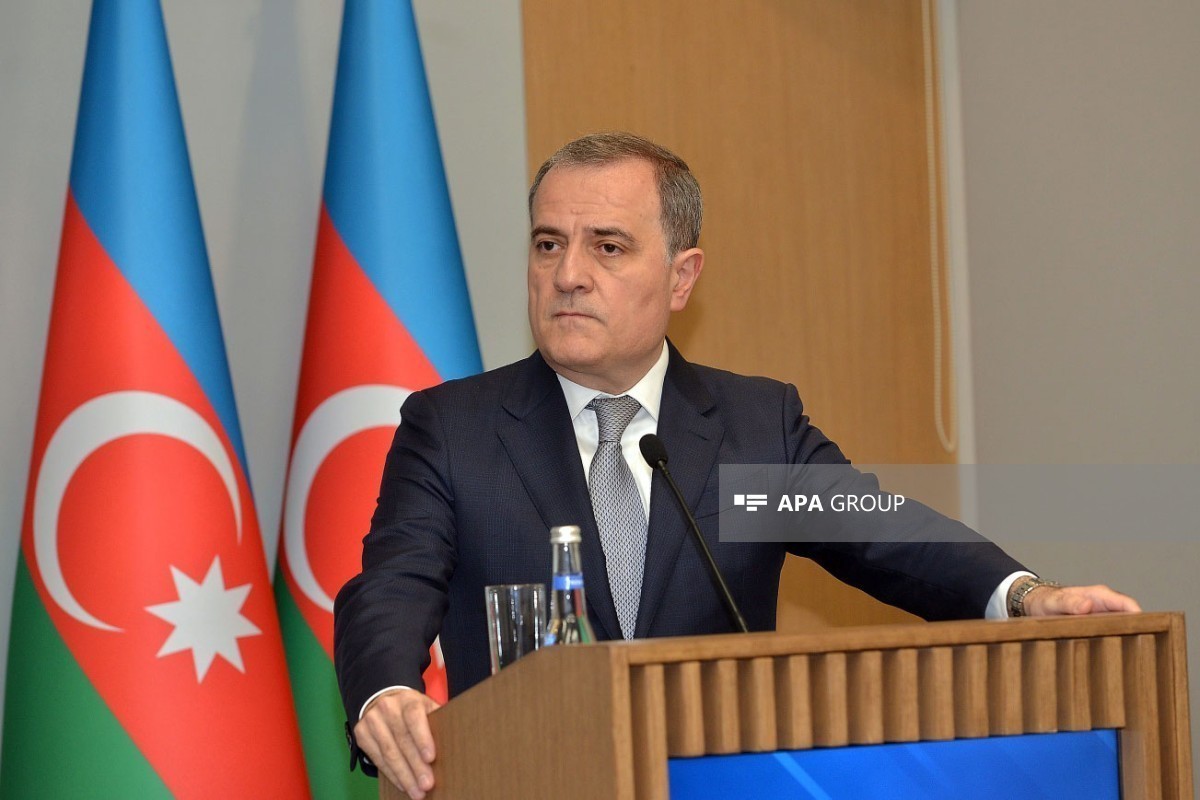
Following President Ilham Aliyev's reception, the meeting between Azerbaijani Foreign Minister Jeyhun Bayramov and Indian Minister of External Affairs Subrahmanyam Jaishankar revealed the specific content of the political dialogue.
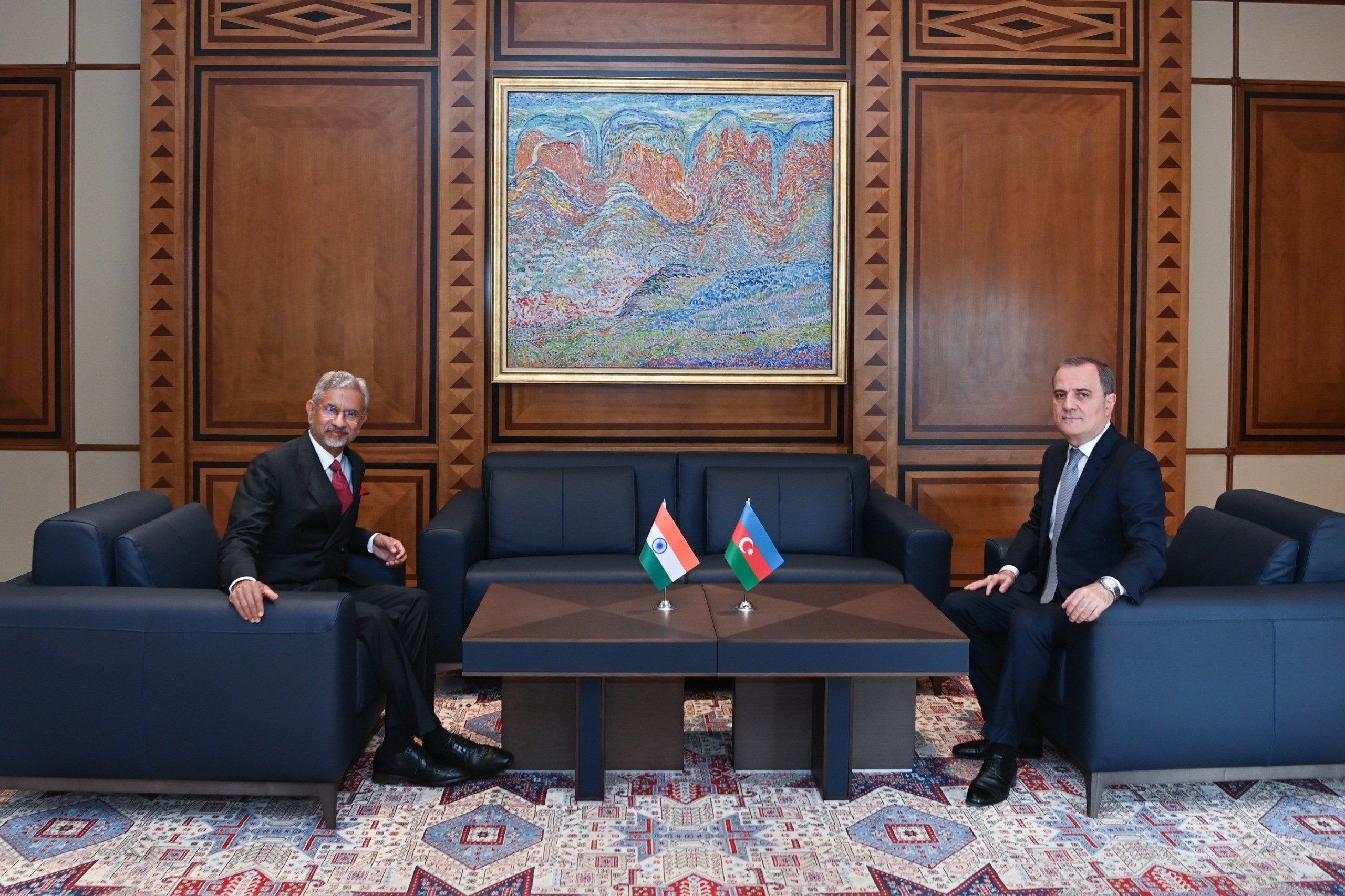
At a joint press conference, Jeyhun Bayramov acknowledged that differences of opinion had existed between the two countries on a number of issues in recent years.
"This also affected bilateral relations and cooperation within international organizations. Today, we discussed these issues openly and constructively. We will see the results of these discussions in a short period of time," the Minister stated.
This statement is an important political message regarding the future of relations. The parties' open discussion of their differences of opinion demonstrates the formation of diplomatic will to resolve existing problems.
Touching upon economic cooperation, the Azerbaijani Foreign Minister also emphasized that the current trade turnover does not correspond to the existing potential.
"Our trade turnover during the first six months of this year was around 600 million US dollars. This does not reflect the potential of the two countries," Jeyhun Bayramov noted.
The Indian Minister of External Affairs also expressed his country's interest in developing cooperation.
"President Ilham Aliyev devoted considerable time to discussions on our cooperation. Our peoples have a great history, and we have great respect for each other. This creates a foundation for elevating our relations to a higher level," Jaishankar emphasized.
The Indian Minister pointed out that his country wants to expand trade and investment relations with Azerbaijan and that Indian companies are interested in investing in the oil and gas sector.
Peace process in the South Caucasus and India's position
One of the main issues that attracted attention during the meeting between the ministers was the situation in the South Caucasus and the Azerbaijan-Armenia normalization process.
Jeyhun Bayramov informed his Indian counterpart about the agreements reached in Washington, the latest developments in the peace process, and Azerbaijan's expectations from Armenia.
"We discussed goods sent from Azerbaijan to Armenia and mutual visits. Our expectations from Armenia for the completion of this process were also brought to my counterpart's attention. I informed my counterpart about the restoration and reconstruction work being carried out in the liberated territories and, naturally, also informed him about the ongoing mine threat," the Minister stated.
These discussions are of particular importance against the background of India's military-technical cooperation with Armenia. Directly conveying Azerbaijan's position on regional processes to New Delhi is important in terms of strengthening mutual understanding.
Subrahmanyam Jaishankar, for his part, stated that India welcomes the progress achieved between Azerbaijan and Armenia.
"India's position is clear: all conflicts must be resolved through dialogue and diplomacy," the Foreign Minister emphasized.
This statement demonstrates New Delhi's support for achieving lasting peace in the South Caucasus.
The situation in the Middle East and the Russia-Ukraine war were also discussed during the meeting. The Indian Minister thanked Azerbaijan for its support in evacuating Indian citizens during the war between the US, Israel, and Iran.
Main condition for the new stage – practical results

The Indian Foreign Minister's visit to Baku demonstrates that, despite the existing differences of opinion between Azerbaijan and India, there are extensive opportunities to develop cooperation based on mutual interests.
President Ilham Aliyev's reception and the talks held at the ministerial level have created favorable conditions for intensifying political dialogue.
Nevertheless, concrete results will be the main factor confirming that a real turning point has occurred in relations. Increasing mutual investments, implementing new projects in transport and technology, expanding cooperation within international organizations, and reducing political differences of opinion are the main priorities for the coming period.
Thus, the meetings held in Baku on October 23 demonstrate the emergence of positive dynamics in Azerbaijan-India relations. Whether these dynamics become sustainable and strategic will depend on the parties' ability to translate their political will into concrete cooperation mechanisms.


 Follow us on Telegram
 t.me/apanewsaz
 Follow us on Instagram
 Follow us on TikTok
 Follow us on Facebook
 Follow us on X