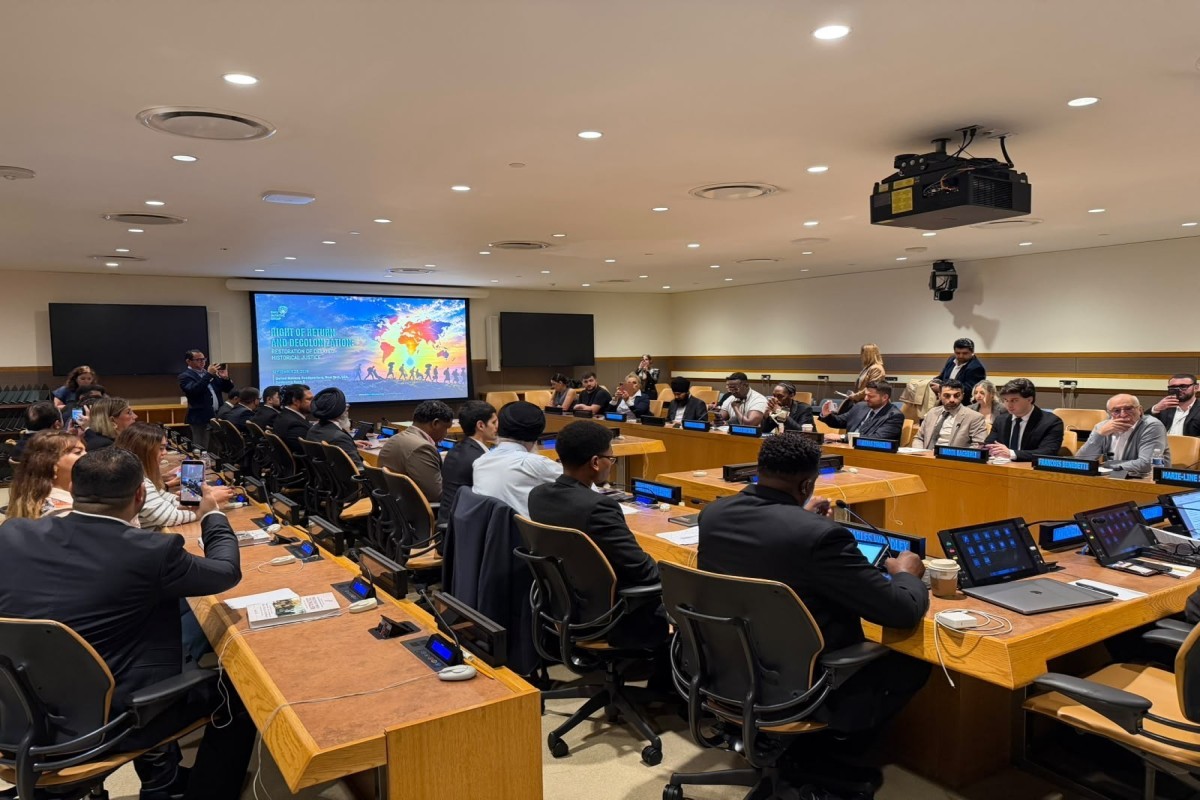


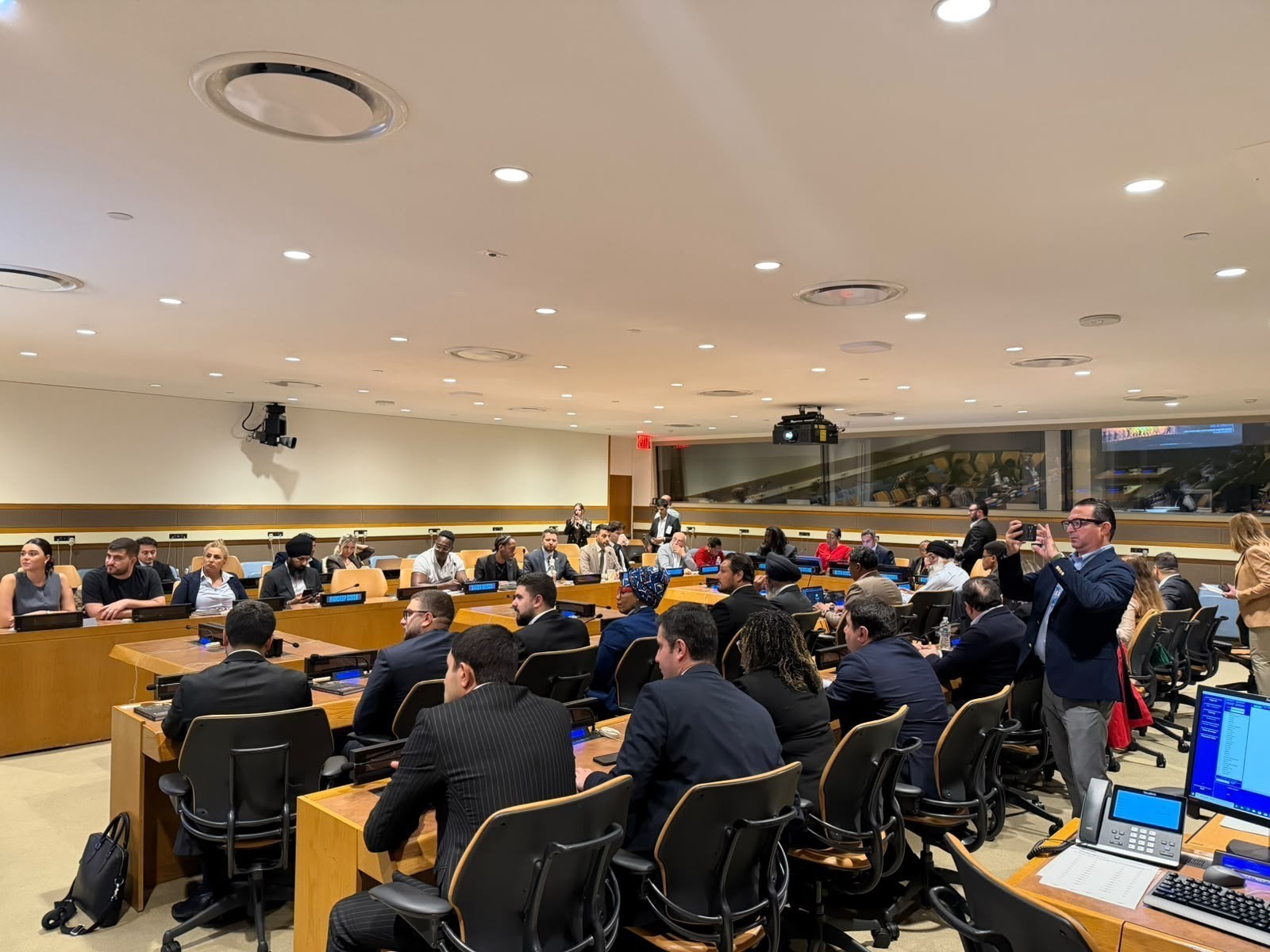
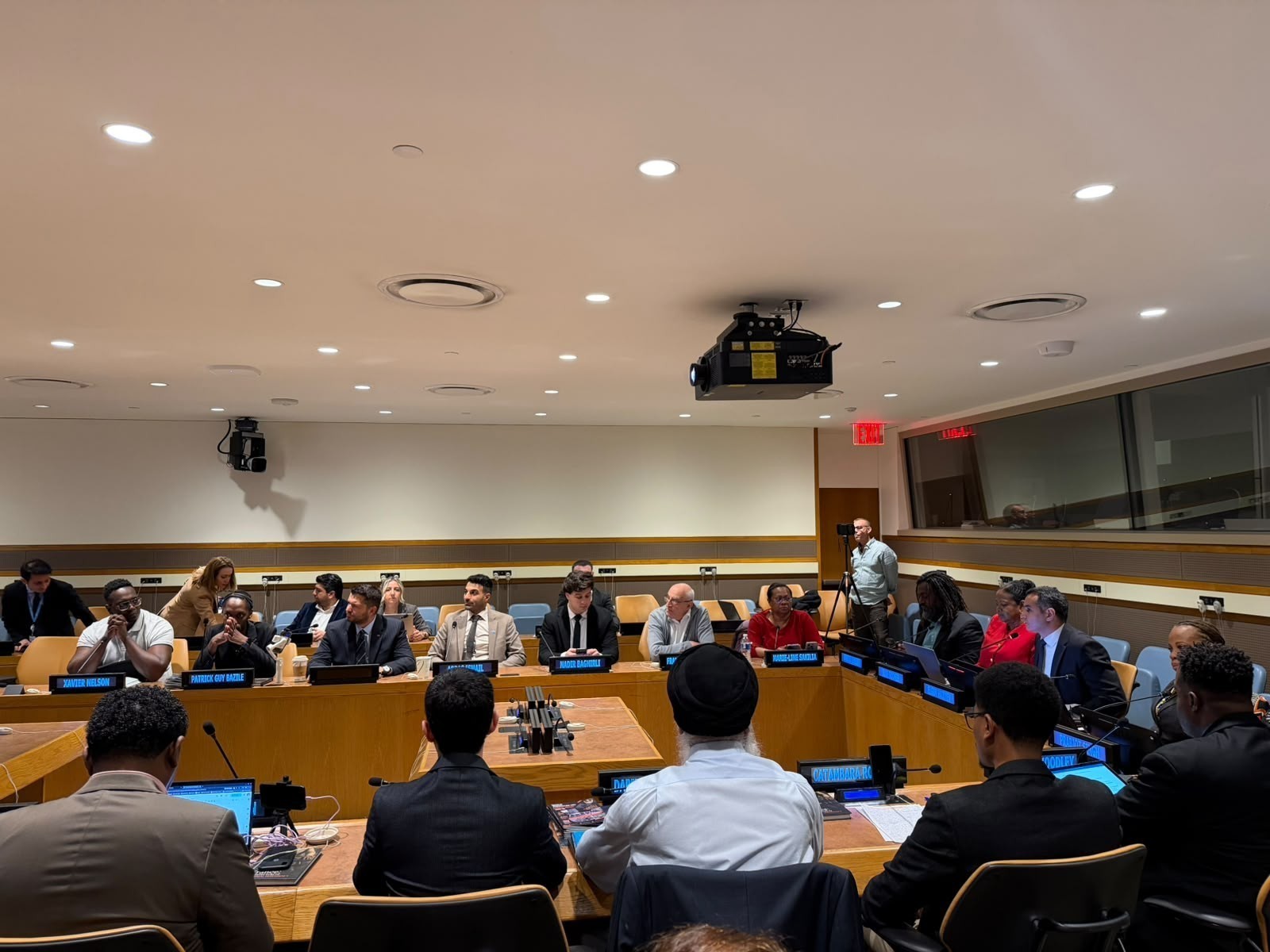
On September 28, 2026, an international conference titled “Right of Return and Decolonization: Restoring Delayed Historical Justice” was held at the United Nations headquarters in New York as part of the 81st session of the UN General Assembly, organized by the Baku Initiative Group, APA reports.
This conference was the first such event within the UN framework where the issue of the ethnic cleansing of Azerbaijanis by Armenia was discussed.
The event was attended by more than 50 representatives from 16 countries, including renowned specialists in the protection of the rights of refugees and national minorities, experts specializing in the right of return, as well as representatives of diaspora organizations and affected communities that have experienced violence, discrimination and persecution on the grounds of ethnicity, and UN experts.
The conference featured discussions on ensuring the return of Azerbaijanis who were subjected to ethnic cleansing in the territory of present-day Armenia to their homelands, as well as taking the necessary legal steps to restore historical justice and keeping the issue on the agenda of international organizations.
The focus was on ensuring that the return process is carried out safely and with dignity under the supervision of international organizations, the implementation of guarantee mechanisms, reaching a legally binding international agreement, carrying out international monitoring, and other areas.
During the conference, a short documentary film depicting the ethnic cleansing of Azerbaijanis and acts of vandalism committed against cultural and religious monuments was screened.
During the conference, former Chair of the UN Permanent Forum on People of African Descent (PFPAD), Ambassador June Soomer, Chief Legal Counsel of the International Sikh Federation Prabjot Singh Wirring, international governance expert Carlyle Corbin, and representatives of colonial territories delivered speeches. In their speeches, they stated that they recognized the right of return of Azerbaijanis and that international organizations should pay attention to this issue.
The participants of the event held a protest against the deliberate destruction and Armenianization of historical, cultural and religious monuments belonging to Azerbaijanis in the territory of present-day Armenia.
At the end of the event, an appeal to the UN leadership regarding the appointment of a special rapporteur was adopted.
It should be noted that the cultural, religious and historical heritage belonging to the Azerbaijani people in the territory of present-day Armenia, including toponyms, mosques, cemeteries, shrines and other monuments, has been systematically destroyed, desecrated and appropriated. At the same time, the fundamental right of hundreds of thousands of Azerbaijanis forcibly expelled from their historical territories — the right to return safely and with dignity to their historical lands — remains unfulfilled. This situation, in fact, contradicts existing norms of international law. International legal instruments such as the 1948 Universal Declaration of Human Rights and the 1951 Convention Relating to the Status of Refugees, as well as precedents established in international legal practice, such as Annex 7 of the Dayton Agreement, already provide a normative and practical basis for ensuring the implementation of the right of return.


 Follow us on Telegram
 t.me/apanewsaz
 Follow us on Instagram
 Follow us on TikTok
 Follow us on Facebook
 Follow us on X