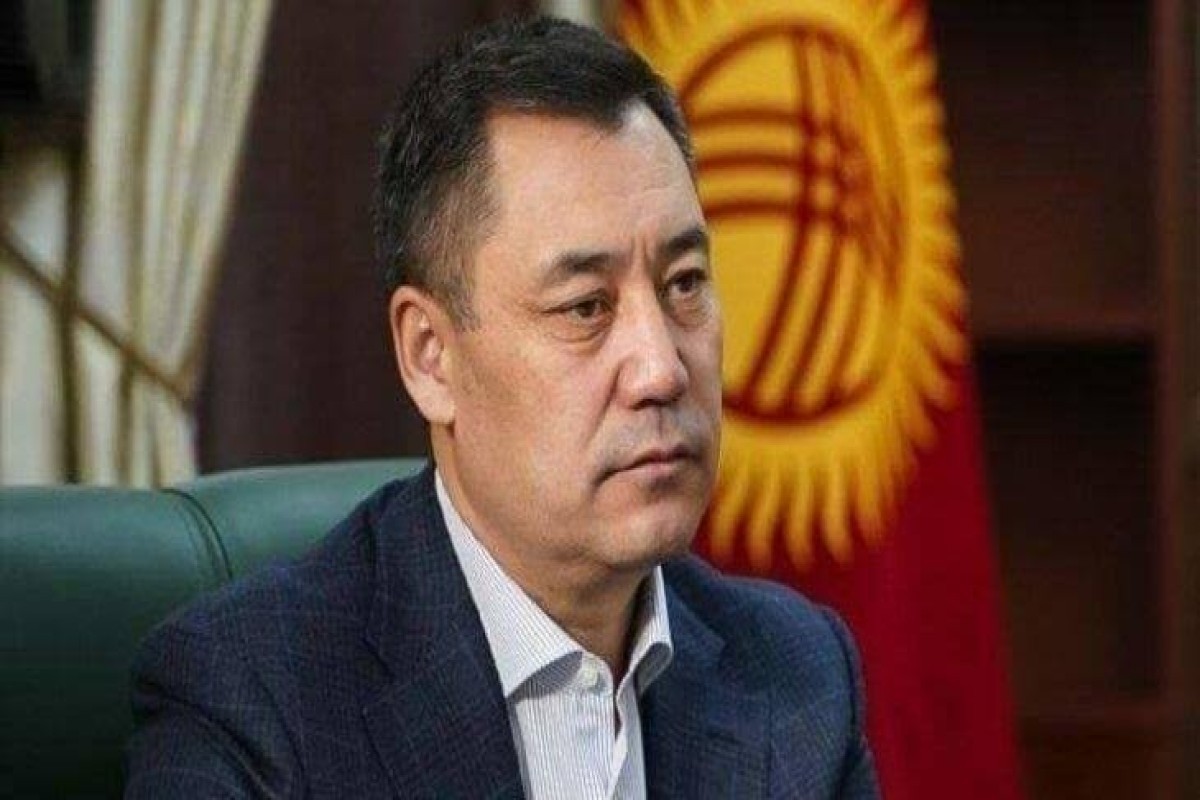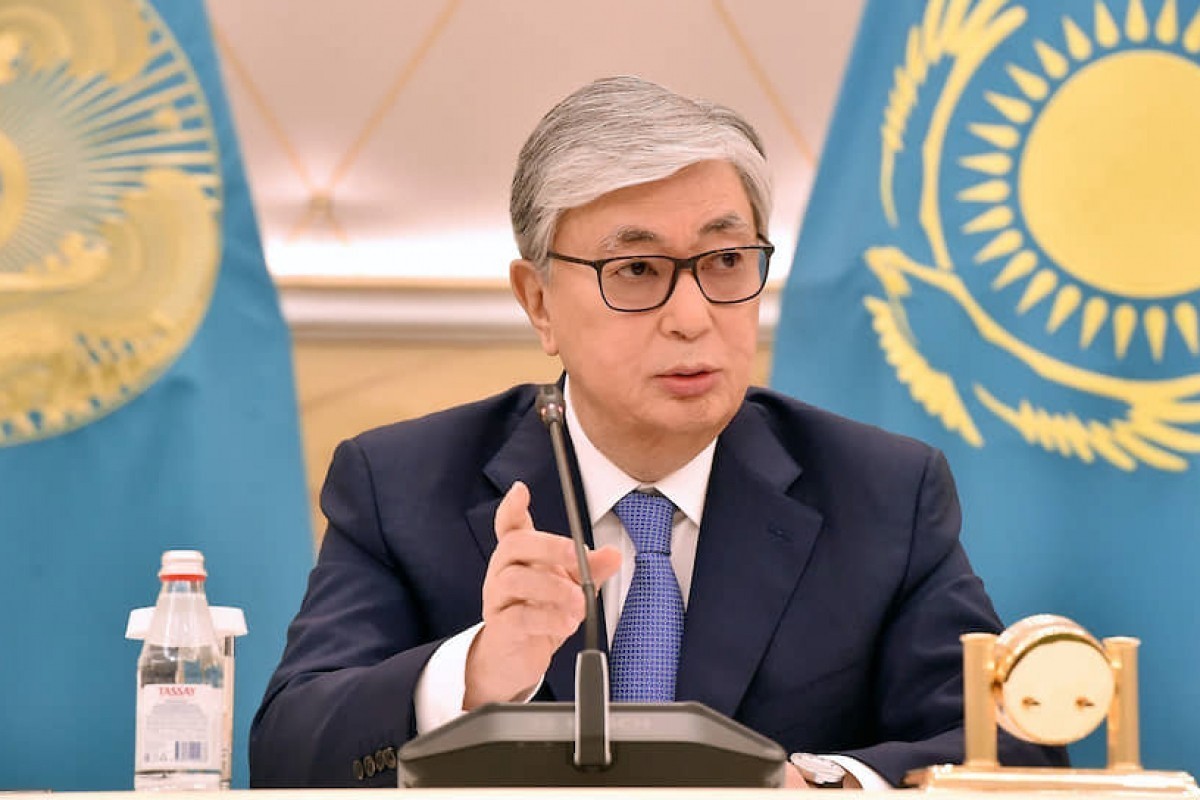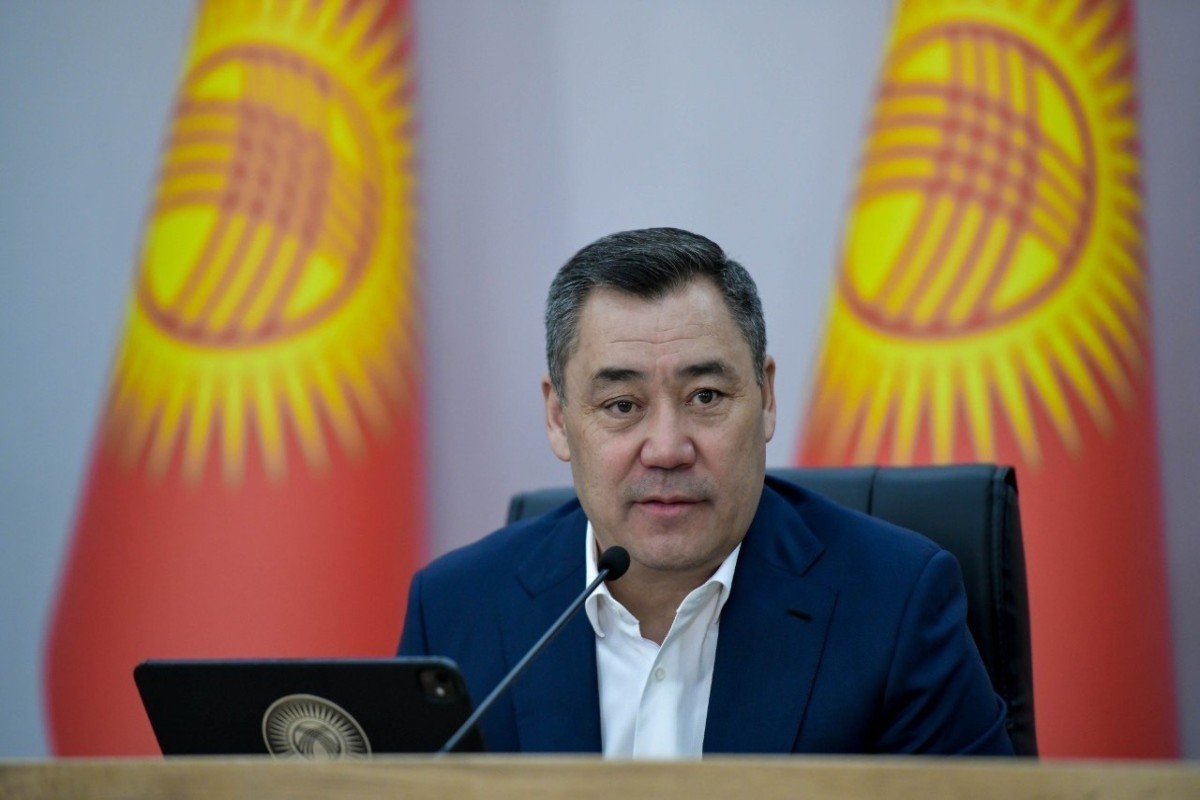




The Consultative Meeting of the Heads of State of Central Asia is one of the main platforms serving to strengthen political dialogue, mutual trust and practical cooperation among the countries of the region. Since the first meeting was held in 2018, this mechanism has evolved into an influential format where a broad agenda, ranging from border issues to transport and energy projects, is discussed.
The main feature of the consultative meetings is that relations are built not on the rigid procedures of traditional multilateral organizations, but on the principles of mutual interests and consensus. The heads of state of Kazakhstan, Kyrgyzstan, Uzbekistan, Tajikistan and Turkmenistan develop common positions on regional security, economic integration, the use of water resources, climate change, transport connectivity and humanitarian cooperation.
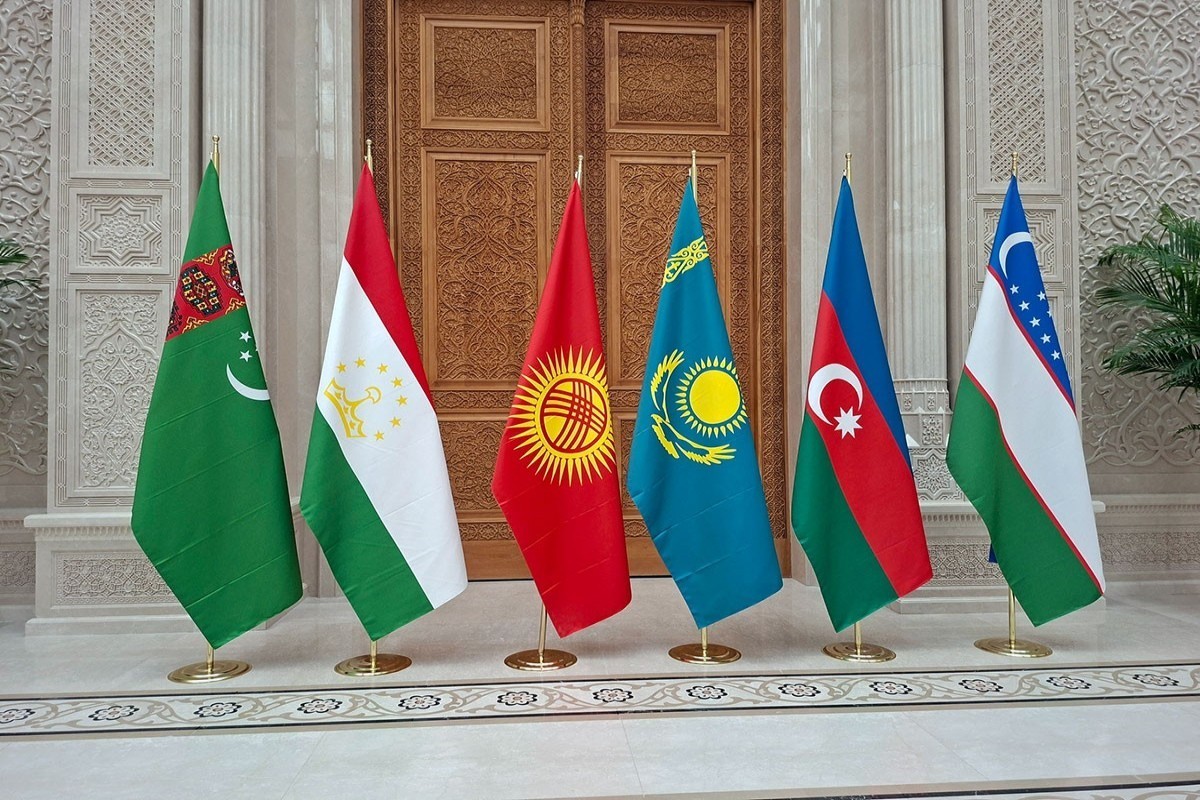
The 7th Consultative Meeting, held in Tashkent in November 2025, marked a turning point in the development of the format. The unanimous adoption of a decision on Azerbaijan's full participation in the meeting expanded Central Asia's political and economic cooperation space to the western shore of the Caspian Sea. Thus, the "Central Asian Five" essentially transformed into the "Central Asia and Azerbaijan" cooperation mechanism.
8th Consultative Meeting in Awaza
On October 8, 2026, the 8th Consultative Meeting of the Heads of State of Central Asia and Azerbaijan is being held in Turkmenistan's Awaza National Tourist Zone. The summit brings together the leaders of Azerbaijan, Kazakhstan, Kyrgyzstan, Uzbekistan, Tajikistan and Turkmenistan. This is the first official Consultative Meeting in which Azerbaijan is participating as a full-fledged member. Therefore, the Awaza summit is an important political event that formalizes the transition from a five-party mechanism to a six-party regional partnership model.
The agenda of the 8th meeting covers the main political, economic and environmental challenges facing the countries of the region. The heads of state are expected to discuss regional and international security, strengthening political and diplomatic ties, increasing mutual trade, and expanding investment and energy cooperation.
The development of sustainable transport and logistics corridors and the expansion of connectivity across the Caspian Sea are among the main priorities of the summit. Environmental protection, adaptation to the effects of climate change, efficient use of the water resources of the Amu Darya and Syr Darya rivers, and improvement of the ecological situation of the Aral Sea also occupy an important place on the agenda. Expanding exchanges in culture, education, science, and among young people and students serves to strengthen the social foundations of political and economic partnership.
The strategic significance of the Awaza meeting is not limited to assessing existing relations. The summit creates new opportunities for strengthening political coordination between Central Asia and the South Caucasus, enhancing the capacity of the Middle Corridor, and bringing together the potential of the six countries within a unified cooperation framework.
Azerbaijan's strategic role
Azerbaijan's inclusion in the Consultative Meeting format is of great importance for Central Asian countries in terms of expanding alternative transport and energy routes. Thanks to its favorable geographical location, port and railway infrastructure, as well as access to Turkish and European markets, Azerbaijan is one of the main transit links connecting Central Asia with the South Caucasus and Europe.
In this regard, the development of the Middle Corridor is of particular importance. The coordination of ports, railways and customs systems along the Trans-Caspian route could reduce transportation times and costs. The Baku–Tbilisi–Kars railway, the Alat International Sea Trade Port and the prospects of the Zangezur Corridor further strengthen Azerbaijan's position in the regional logistics system.
In the energy sector, Azerbaijan's role is not limited to its transit function. The transportation of Central Asia's energy resources to Western markets through Azerbaijan, the joint utilization of the Caspian Sea's green energy potential and electricity exports are creating new areas of cooperation. These projects could enable participating countries to diversify their export routes and strengthen regional energy security.
The intensity of political dialogue also demonstrates the strategic level of cooperation. According to information provided by President Ilham Aliyev, from the beginning of 2023 to July 2026, the President of Azerbaijan paid 16 visits to Central Asian countries, while the heads of state of those countries made 26 visits to Azerbaijan. As the head of state noted, Azerbaijan and Central Asia are already effectively forming a unified geopolitical and geoeconomic space.
Consequently, the 8th Consultative Meeting is the first official summit at which the political decision on Azerbaijan's full-fledged participation in the format is being translated into practical cooperation. The initiatives discussed in Awaza could contribute to consolidating the "Central Asia and Azerbaijan" format as a sustainable regional mechanism, expanding ties between the two shores of the Caspian Sea and strengthening the international positions of the participating states. Azerbaijan's main advantage lies in its role not merely as a geographical bridge between Central Asia and Europe, but as a politically reliable, economically functional and strategic partner.



 Follow us on Telegram
 t.me/apanewsaz
 Follow us on Instagram
 Follow us on TikTok
 Follow us on Facebook
 Follow us on X