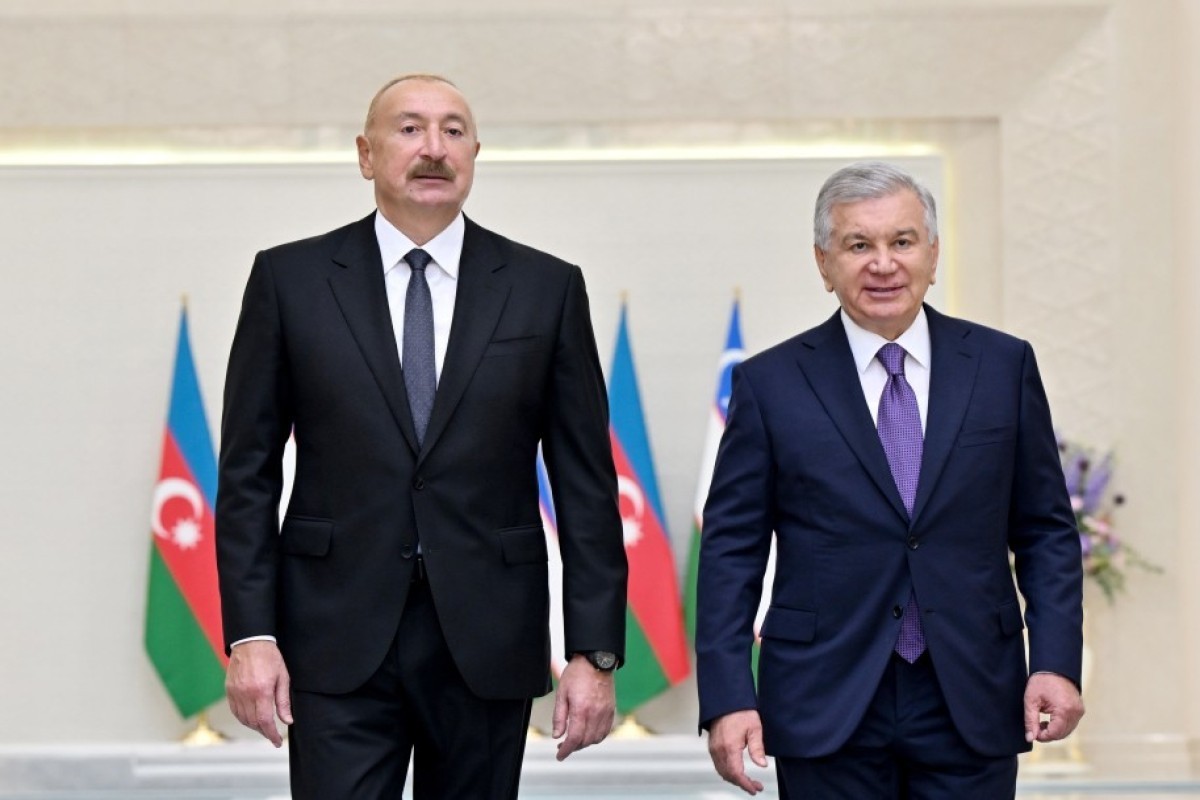

Azerbaijani President Ilham Aliyev’s state visit to Uzbekistan on August 23 is regarded as a new stage in the development of Baku-Tashkent relations.
One of the main political outcomes of the visit was the signing of the Treaty on Eternal Friendship between Azerbaijan and Uzbekistan. The document politically and legally consolidates the system of special relations that has taken shape between the two countries in recent years.
Relations between Azerbaijan and Uzbekistan are the result of a consistently pursued strategic course. In recent years, bilateral ties have advanced from strategic partnership to the level of alliance. The signing of the Treaty on Eternal Friendship is a logical continuation of this process.
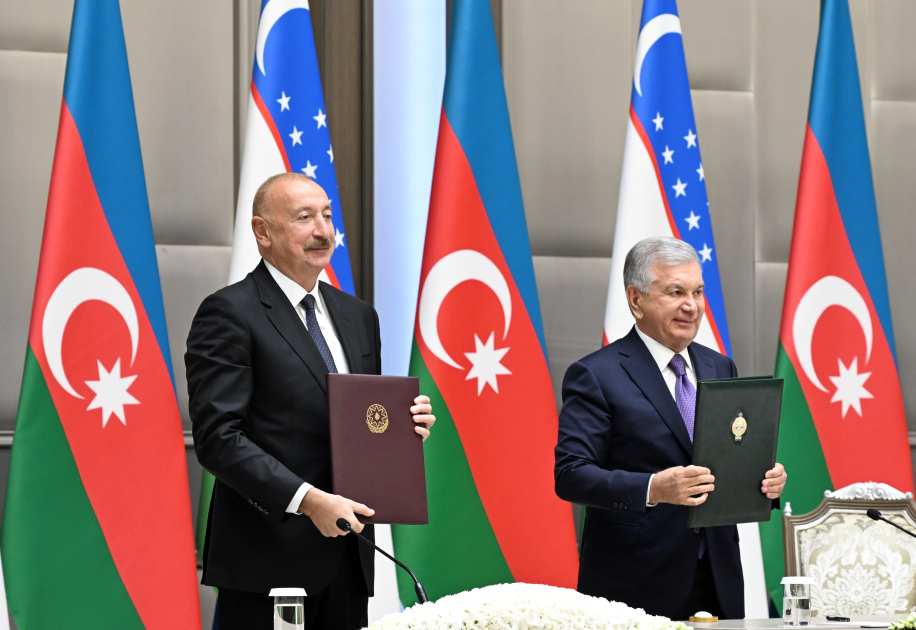
From eternal friendship to a strategic future
The inclusion in the Treaty of the principles of mutual support on issues of sovereignty, territorial integrity and security demonstrates that the relations are not limited to individual projects. Uzbekistan’s contribution to the reconstruction of Karabakh is a concrete example of political solidarity.
The strengthening of the Baku-Tashkent axis is expanding the political and economic integration of the Turkic world. Azerbaijan is an important link connecting Central Asia with the South Caucasus, Türkiye and Europe, while Uzbekistan is one of the region’s countries with significant economic and demographic potential.
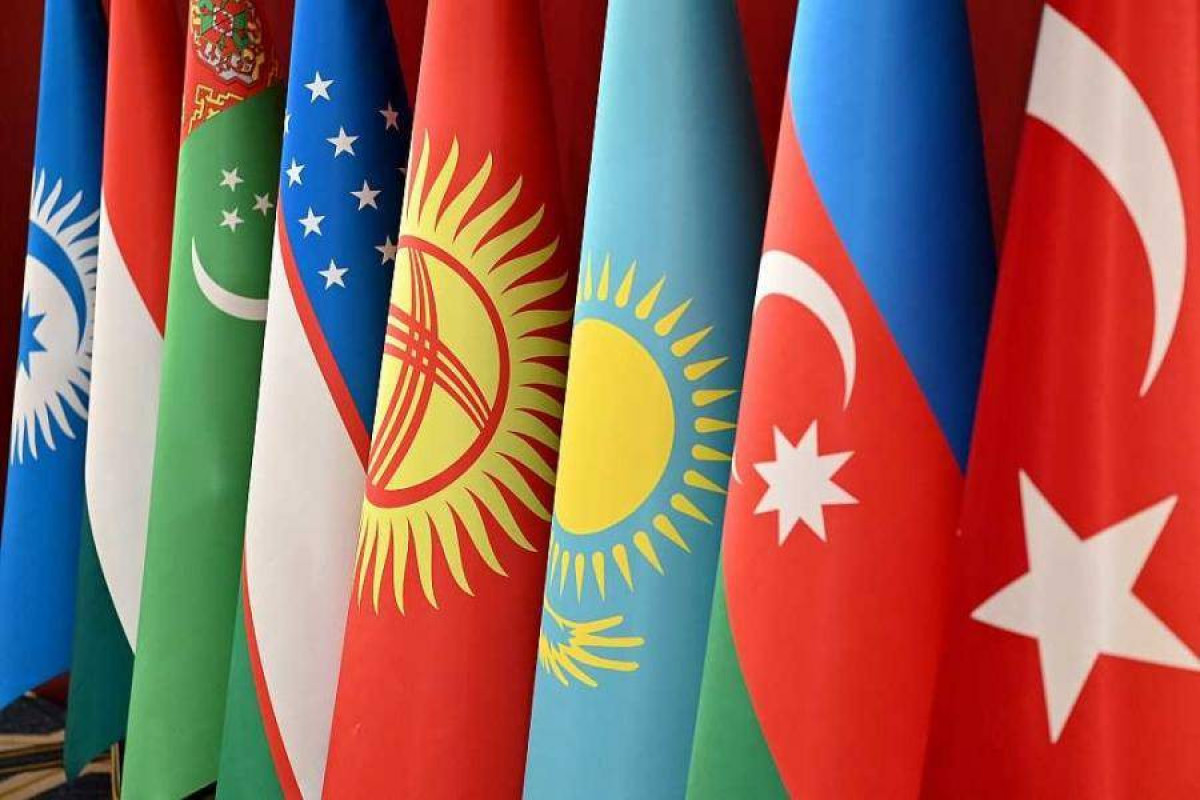
Baku-Tashkent axis strengthens the geopolitical weight of the Turkic world
The combination of these potentials creates conditions for the formation of a new architecture of cooperation on both shores of the Caspian Sea. Azerbaijan’s full participation in the format of Consultative Meetings of the Heads of State of Central Asia also lays the groundwork for deepening political ties between Central Asia and the South Caucasus. As this process develops in parallel with integration within the Organization of Turkic States, it could increase the region’s geopolitical weight.
One of the main features of the new stage is that political relations are being complemented by economic substance. In 2025, trade turnover between the two countries reached $795 million, nearly tripling compared with the previous year. The next target is to increase bilateral trade to $1 billion.
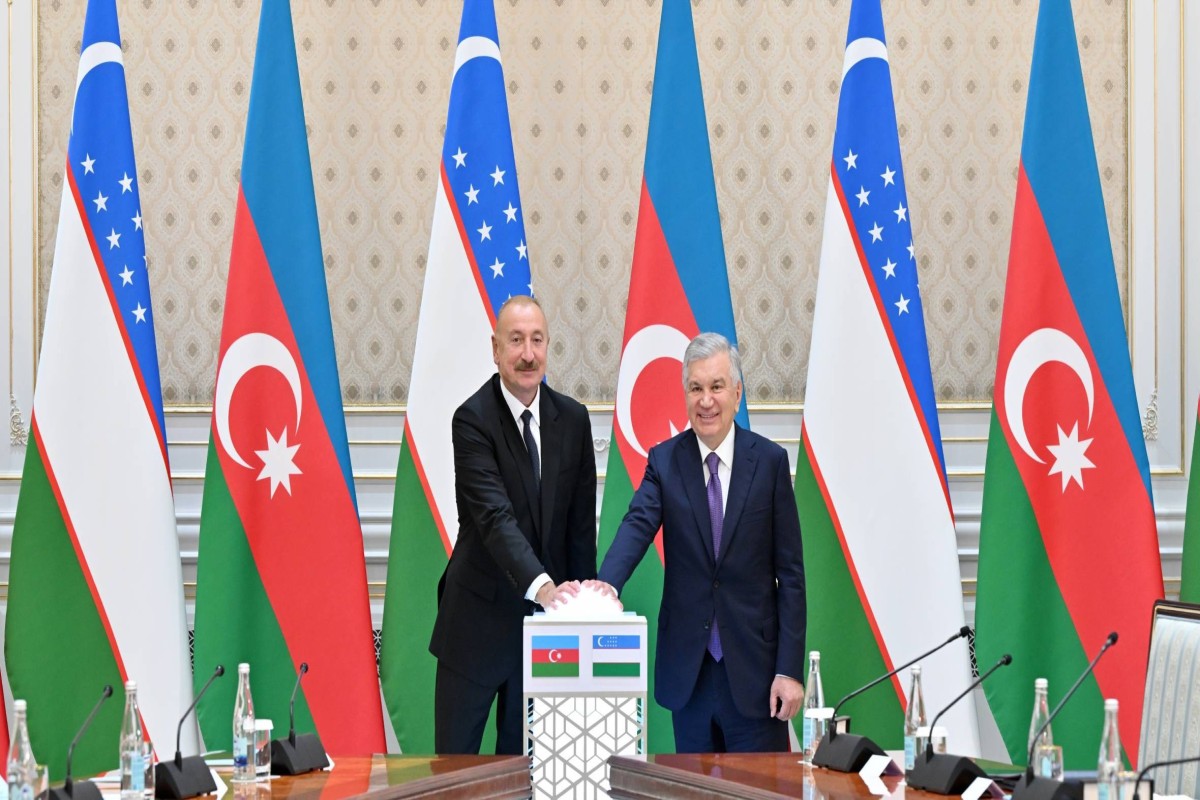
Economic cooperation becomes a new pillar of relations
Cooperation is not limited to import-export operations. The Azerbaijan-Uzbekistan Investment Company, with capital of $500 million, as well as joint projects in automobile manufacturing, energy, agriculture and other sectors, demonstrate that the two sides are transitioning to a model of joint production and investment.
Transport and green energy give the relationship a regional dimension. The expansion of the Middle Corridor’s capacity facilitates Uzbekistan’s access to Türkiye and European markets via Azerbaijan. Cooperation between Azerbaijan, Kazakhstan and Uzbekistan on the transmission of green energy across the Caspian Sea also indicates that the partnership could play a role in Eurasia’s future energy landscape.
Thus, the visit demonstrates the transition of relations from political trust to economic integration and from bilateral cooperation to regional partnership. At the new stage, the key task is to translate the high level of political relations into concrete economic, transport, energy and investment projects. The current dynamics indicate that Baku and Tashkent are becoming key actors in shaping a new space of cooperation between Central Asia and the South Caucasus.


 Follow us on Telegram
 t.me/apanewsaz
 Follow us on Instagram
 Follow us on TikTok
 Follow us on Facebook
 Follow us on X