






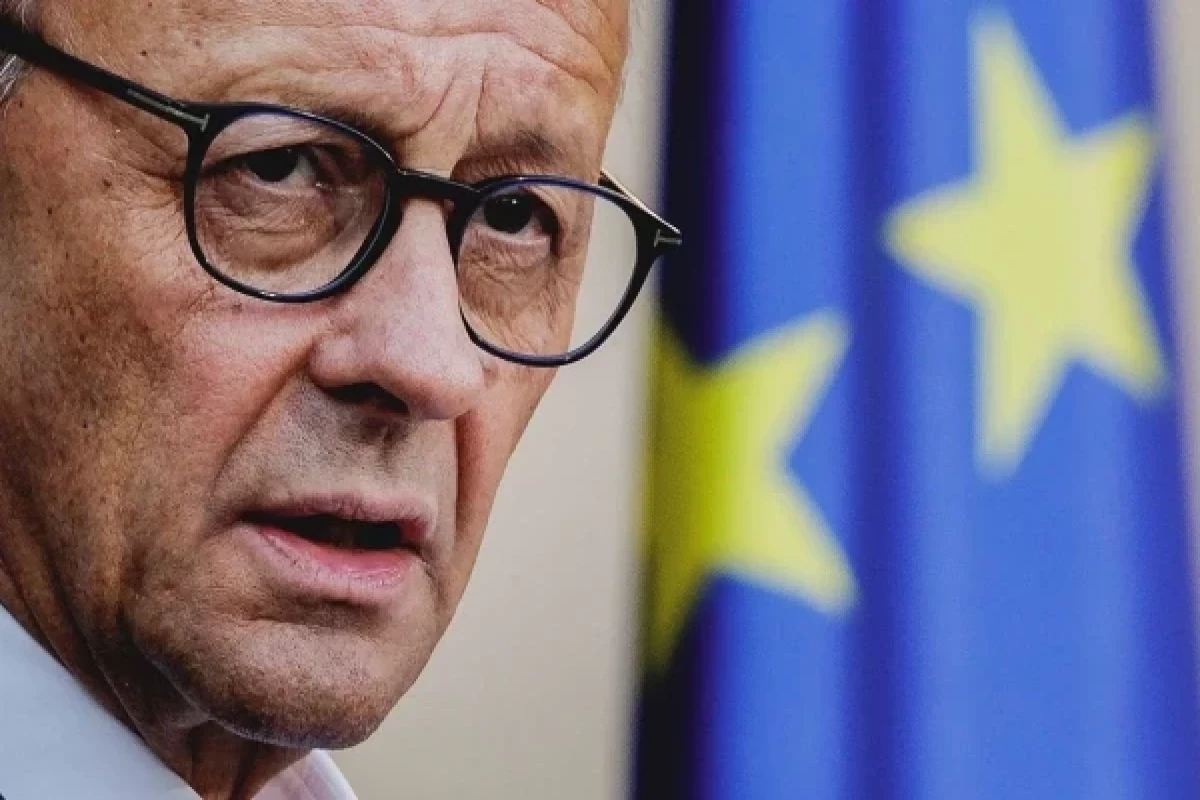


German Chancellor Friedrich Merz has tied Berlin's approval of the 2028-2034 EU budget to a commitment from all member states to provide financial support to Ukraine in 2027 and beyond, the Financial Times reports.
In a letter to European Council President António Costa, Merz made Germany's support for the bloc's 2028-2034 budget conditional on all EU countries agreeing to fund Ukraine, which faces a €70 billion funding gap next year.
"A collective commitment that all of us, without exception, will contribute fairly to closing [Ukraine's financing] gap is an essential prerequisite for resolving this issue and for discussing any further matters, particularly those with financial implications."
The ultimatum comes as EU leaders prepare to meet in Dublin on Thursday and Friday. Merz is insisting that Ukraine's funding shortfall must be addressed during the meeting.
The discussions on funding for Ukraine are taking place in parallel with fraught negotiations on the EU budget from 2028.
Germany is the largest net contributor to the EU budget, while the four countries seeking to avoid further contributions to Ukraine funding – Hungary, Slovakia, Bulgaria and Czechia – are net beneficiaries of it.
Using Germany's financial leverage during the budget negotiations, Merz is seeking to secure funding for Kyiv both next year and in the long term.
Upcoming elections in several EU countries, including Italy and Poland, could make reaching a consensus on funding Ukraine even more difficult.
"Financial support for Ukraine of all EU member states is essential in order to successfully complete [the EU budget negotiations]."
Last December, EU leaders agreed to provide Ukraine with a €90 billion loan. However, due to the scale of Russian aggression, Kyiv has said that it will need an additional €70 billion in funding next year. The funding gap is also recognised by Ukraine's allies.
The EU has promised to cover two-thirds of this amount, or about €45 billion. The European Commission is working on options to fulfil this pledge, specifically considering the possibility of issuing additional joint debt obligations. Brussels hopes that leaders can agree on a deal by the end of the year.
However, four EU countries have signalled that they will not contribute to further financial assistance for Kyiv. Last year, Hungary, Slovakia and Czechia obtained an exemption from contributing to the interest payments on the €90 billion loan.
In his letter, Merz stressed that "we must then find a solution supported by all member states that ensures a sound and multiannual financing perspective for Ukraine from 2028 onwards", including interest payments on the country's outstanding debt.
At the leaders' summit on 15-16 October, the European Council instructed the European Commission to prepare proposals for covering the €70 billion shortfall in Ukraine's budget for 2027.


 Follow us on Telegram
 t.me/apanewsaz
 Follow us on Instagram
 Follow us on TikTok
 Follow us on Facebook
 Follow us on X