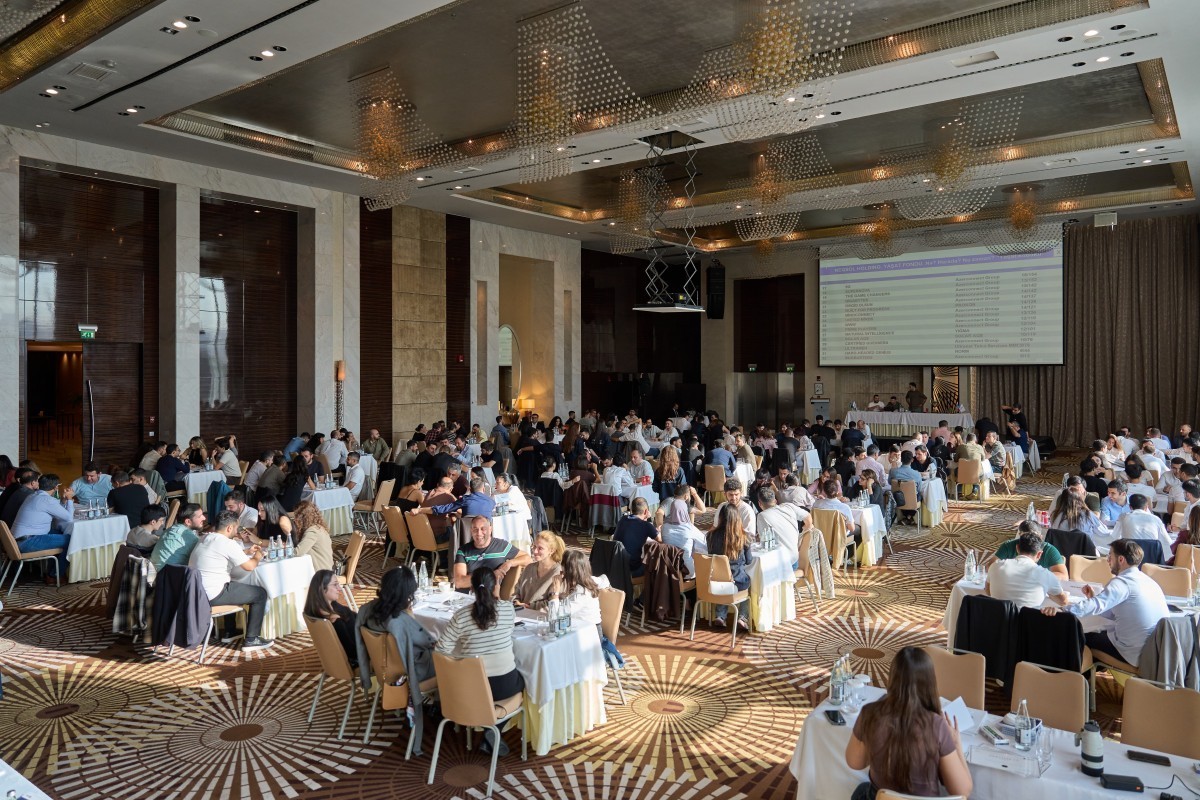






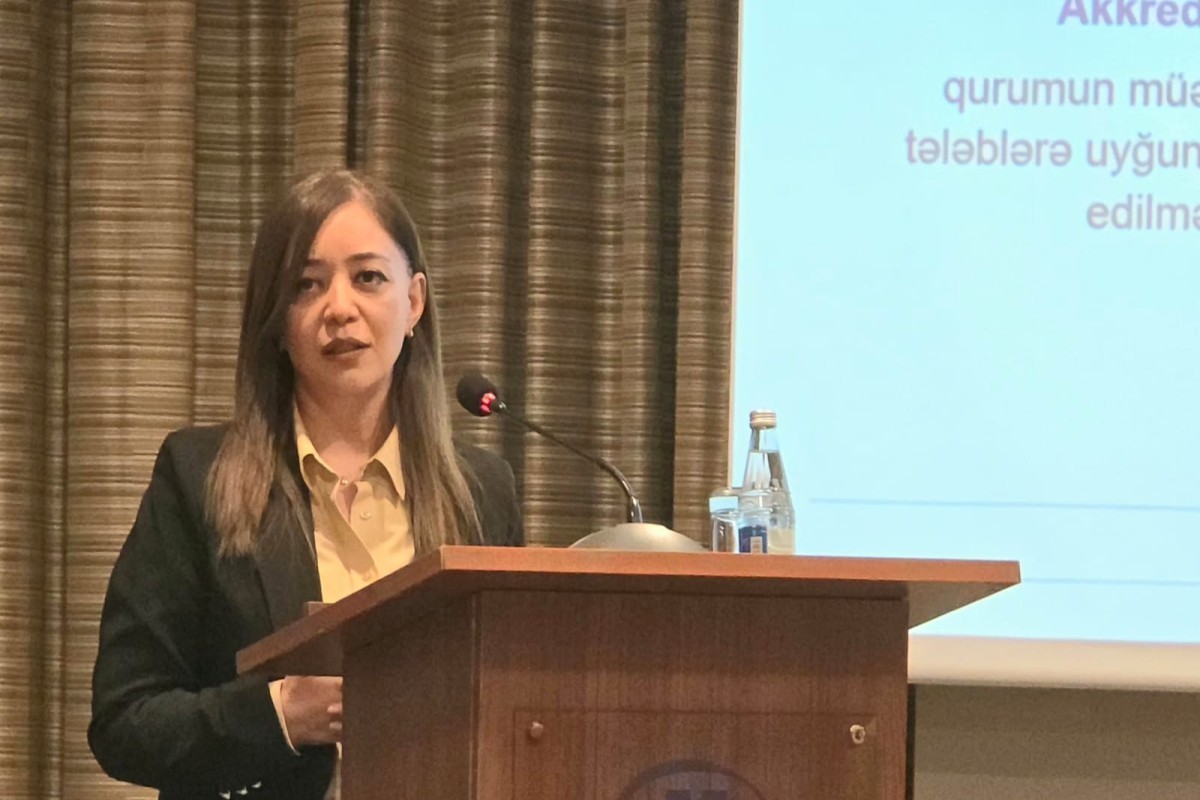


Although some organizations declare that they have the necessary personnel and equipment when applying for accreditation, on-site assessments reveal that this is not the case, Laman Salmanova, Quality Manager at the Azerbaijan Accreditation Center (AzAK), said during a media training session on "Accreditation in the field of conformity assessment, its public significance and role in quality assurance,"APA-Economics reports.
According to her, one of the most common nonconformities identified during accreditation is a shortage of qualified personnel and equipment.
"An organization applies to us for accreditation in a particular field of activity. However, during the on-site assessment, it becomes clear that it lacks either the relevant personnel or the necessary devices and equipment. We record this as a nonconformity," she said.
Laman Salmanova noted that although some organizations prepare documents required by international standards using samples from other institutions, they are unable to implement these procedures in practice.
"Simply having the documents is not enough. The main issue is the practical implementation of these documents and the organization's competence in the relevant field," she emphasized.
The AzAK Quality Manager stated that accredited organizations undergo two annual assessments during a three-year period. If serious nonconformities are identified during these assessments, the validity of the accreditation certificate may be temporarily suspended.
According to her, organizations are given a certain period to eliminate the identified shortcomings. During the initial accreditation process, this period usually does not exceed three months, in line with international practice. However, under the legislation, the period may be agreed upon with the other party.
Laman Salmanova added that during annual assessments, organizations are re-examined to determine whether they continue to comply with the previous accreditation requirements and whether they have the necessary personnel, equipment, and documentation.


 Follow us on Telegram
 t.me/apanewsaz
 Follow us on Instagram
 Follow us on TikTok
 Follow us on Facebook
 Follow us on X