





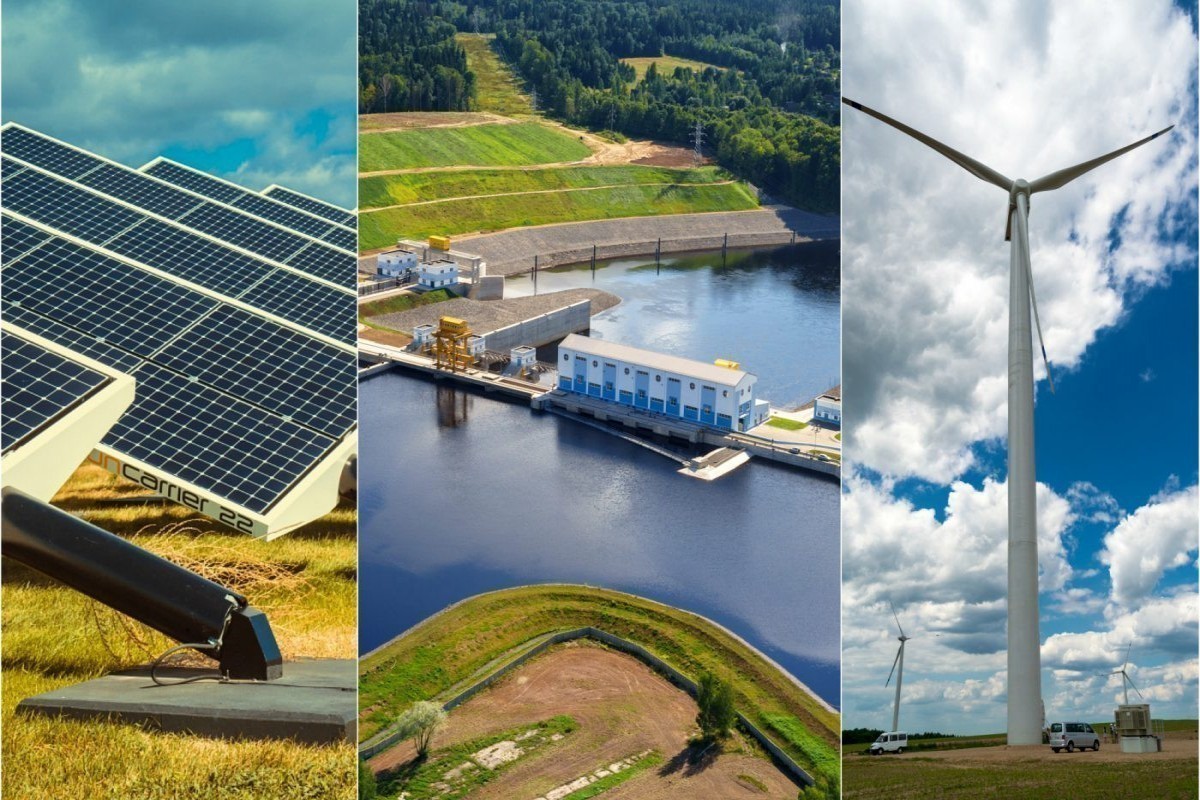


Global renewable electricity generation capacity is expected to increase by approximately 4,800 gigawatts (GW) between 2026 and 2031, APA-Economics reports, citing the International Energy Agency's (IEA) "Renewables 2026" report.
According to the report, this increase will be approximately 60% higher than in the previous six-year period. By 2031, solar photovoltaic power is projected to account for more than three-quarters of global renewable energy capacity additions, with onshore wind power accounting for most of the remainder.
According to the IEA's assessment, amid the current energy crisis, governments' efforts to strengthen energy security, reduce dependence on imported fuels and limit exposure to price volatility will accelerate the development of renewable energy across a wider geographical area. In this regard, the commissioning of new capacity will accelerate in India, Southeast Asia, Africa and the Middle East. During the forecast period, renewable energy capacity additions in emerging economies excluding China are expected to equal those in advanced economies for the first time.
China will remain the largest contributor to global renewable energy capacity growth. However, its share of global additions is projected to decline from more than 60% in 2025 to an average of 53% during 2026–2031. India, meanwhile, will become the world's second-largest growth market, with its total renewable energy capacity more than doubling by 2031.
Growth will also accelerate in Southeast Asia, the Middle East and North Africa, as well as sub-Saharan Africa. Renewable energy capacity additions in these regions during 2026–2031 are expected to nearly triple compared with the previous six-year period.
According to the report, renewable energy use in the transport sector will increase by more than 60% by 2031, meeting 6% of the sector's global energy demand. Approximately 45% of this growth will come from renewable electricity used in electric vehicles, while biofuels will account for the second-largest share. Amid high fuel prices and supply difficulties, several countries, particularly in Southeast Asia and Latin America, have increased mandatory requirements for blending biofuels with gasoline and diesel. The IEA has raised its biofuel forecast by 40% compared with last year's report.
The IEA also emphasized the importance of diversifying supply chains as the renewable energy sector expands. The report noted that India is becoming an important alternative source of supply for solar photovoltaic modules. The country's share of global production is expected to nearly double over the next five years, reaching 17%.
The report also highlighted the need to increase the flexibility of energy systems. It stated that investments in electricity grids should keep pace with renewable energy capacity growth and that appropriate reforms should be implemented to accelerate the connection of new energy facilities to the grid.
The combined capacity of renewable energy and energy storage projects awaiting grid connection and in the final stages of development increased by 60% over the past year, reaching 3,000 GW. This is four times the total capacity of wind and solar power plants connected to the grid last year.
In addition, the deployment of battery-based energy storage systems is accelerating in many countries. The IEA believes that more flexible management of electricity demand, along with the application of digital technologies, including artificial intelligence, will enable more efficient use of electricity during periods of high renewable energy generation.


 Follow us on Telegram
 t.me/apanewsaz
 Follow us on Instagram
 Follow us on TikTok
 Follow us on Facebook
 Follow us on X