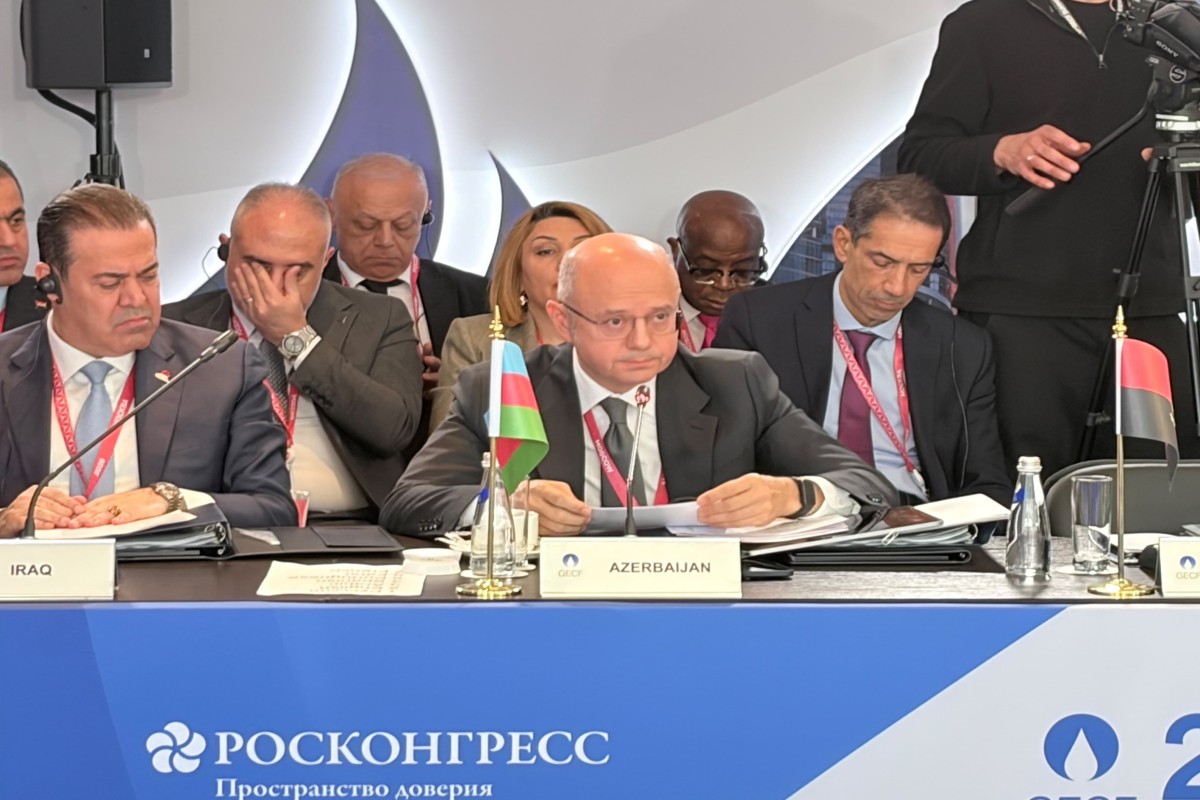






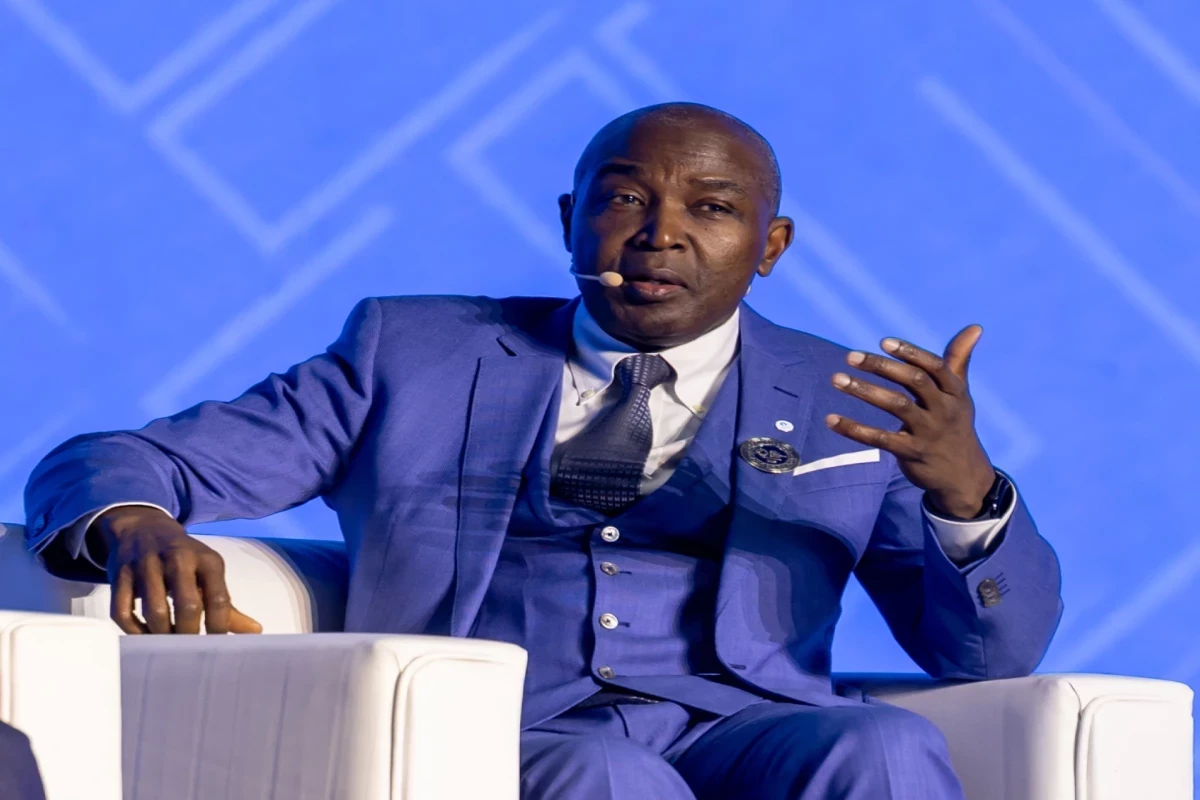


"Despite a series of global crises and changing approaches to energy supply security, global demand for natural gas will continue to grow. This is forcing gas companies to make investments in the sector more selectively and based on a strategic approach aimed at ensuring the resilience of supply chains," Secretary-General of the Gas Exporting Countries Forum (GECF) Philip Mshelbila told in an interview with Russia's Vesti news portal.
He spoke about how investments by major global gas companies in the development of new fields have changed in recent years.
"Over the past six years, we have witnessed three crises. First, the COVID-19 pandemic occurred, and demand collapsed sharply. Then the conflict in Ukraine began. However, in this case, the issue was not a shortage of supply, but rather consumers' refusal to purchase Russian gas. In the current situation, the transportation route has been closed at its narrowest point, making it impossible to deliver the product to the market.
Each of these crises is fundamentally different, but their consequences are similar: consumers cannot obtain the required volumes of gas. Factors related to physical supplies, commercial considerations, and difficulties arising from a loss of trust all play a role here. I think this is an important factor.
As for investors, they are not looking only at today; they are also taking the future into account. According to our forecasts, demand for natural gas will increase significantly over the next 30 years. Based on our estimates, demand will grow by 31% during this period, while the share of gas in the energy mix will rise from 23% to 26%. This is real growth. Excluding renewable energy sources, natural gas will have the highest growth rate," Philip Mshelbila stated.
According to him, the growing demand for natural gas is linked to the fact that it is a cleaner fuel compared to other hydrocarbons and is sufficiently accessible under normal conditions. In addition, gas plays an important role in implementing the energy transition and mitigating the effects of climate change.
"That is why we believe that natural gas has a long-term future, and this will continue to attract investment to the sector. In our view, investments at the company level will continue. However, they will become more selective and more strategically oriented.
It is no longer enough simply to know where to invest funds or where the required resource is located. It is also necessary to know where resources are produced, where sales markets are located, and through which routes the product is delivered to the market. The possibility of supply chain disruptions must be taken into account, along with ways to ensure its resilience even in times of crisis," he added.


 Follow us on Telegram
 t.me/apanewsaz
 Follow us on Instagram
 Follow us on TikTok
 Follow us on Facebook
 Follow us on X