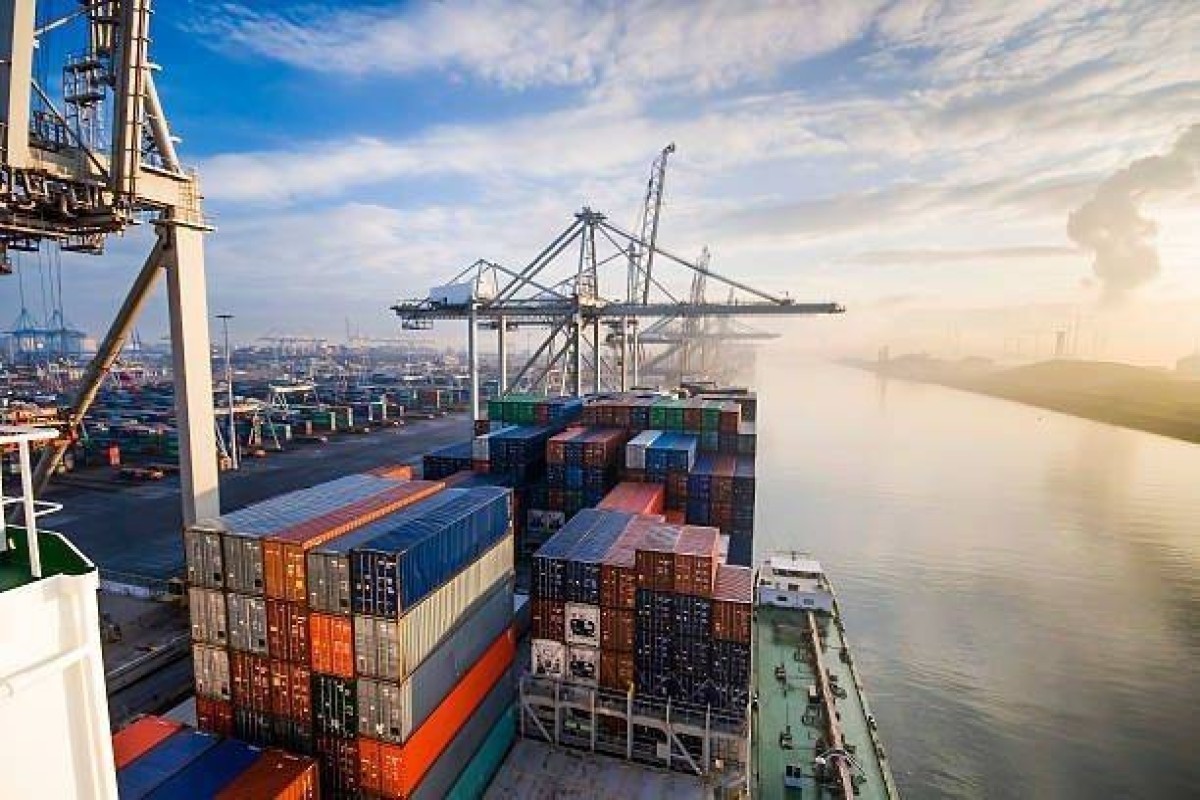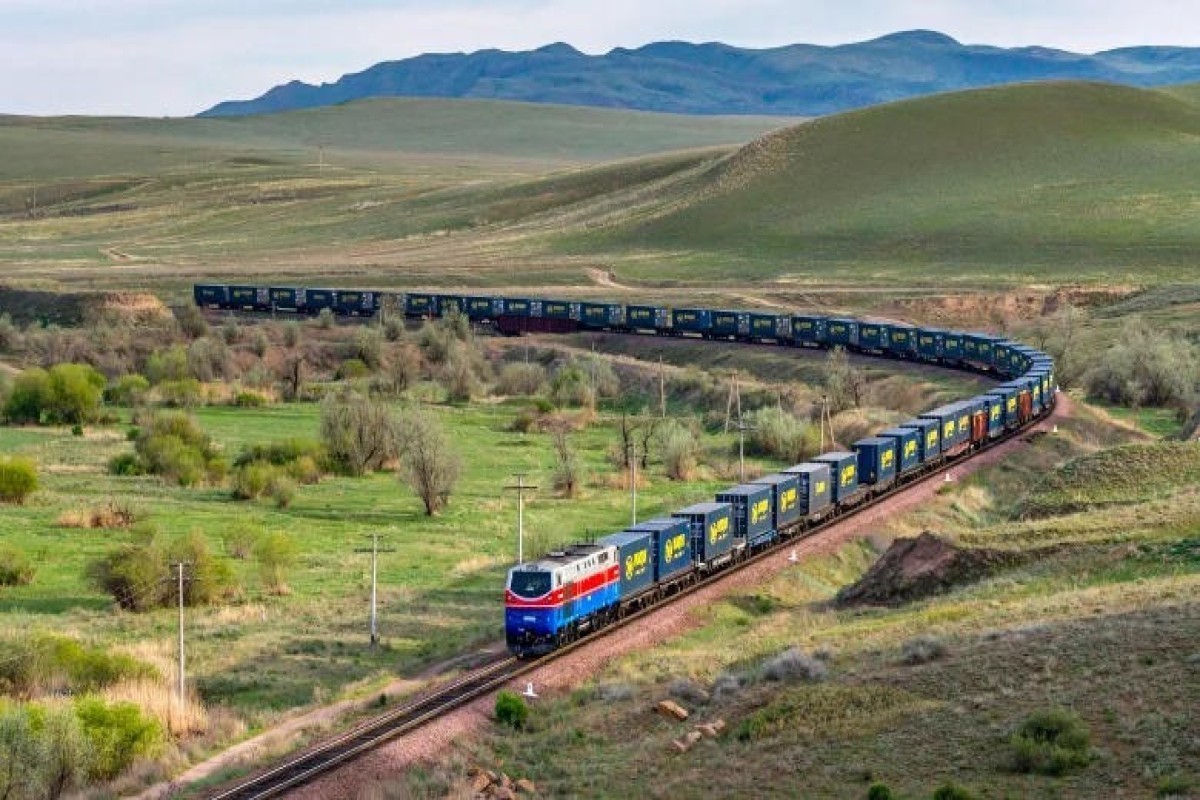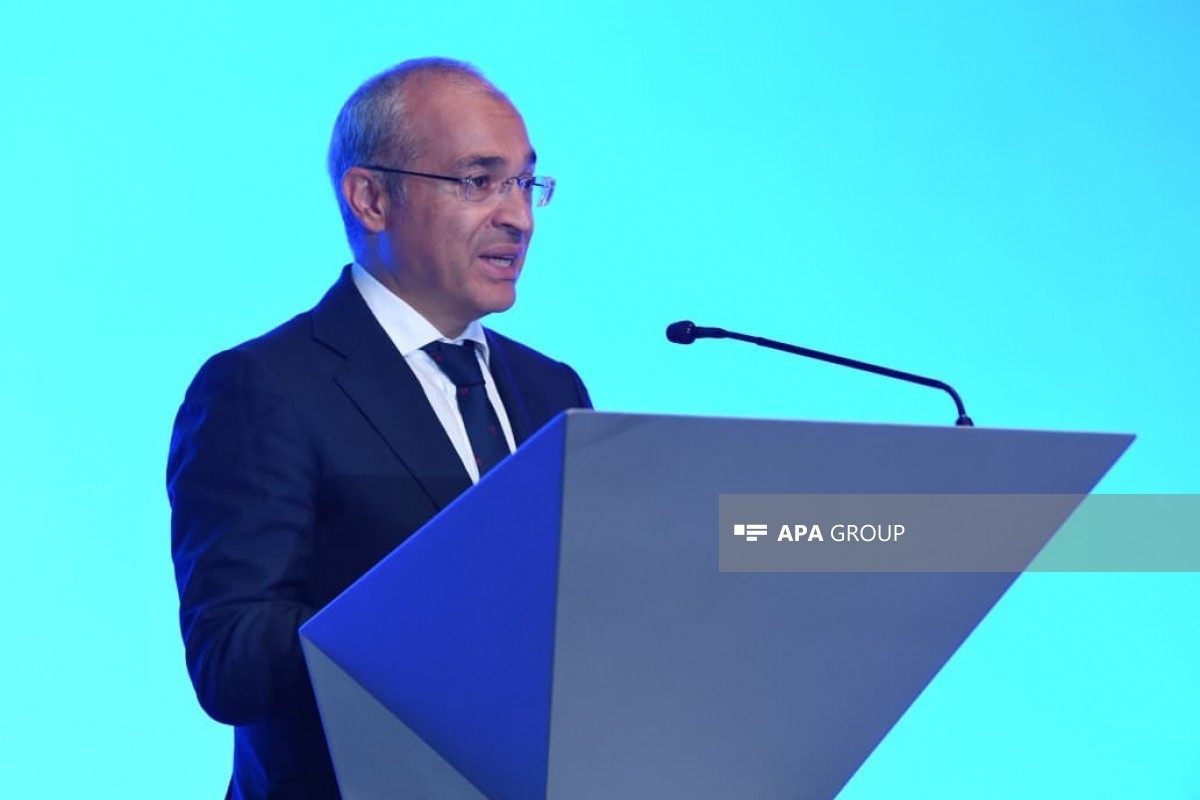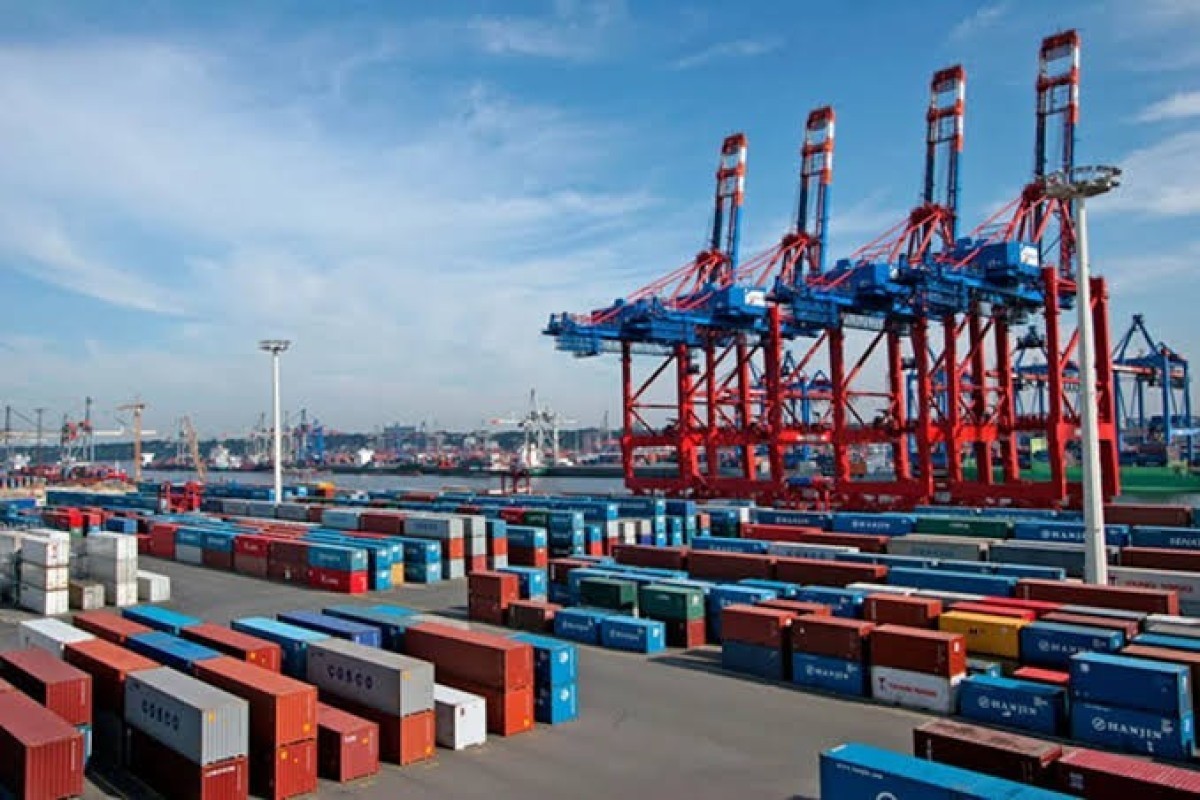


Ports and stakeholders should promptly address capacity and quality issues in order to achieve sustainable freight flows through the Trans-Caspian International Transport Route (Middle Corridor), Khudayar Hasanli, Advisor to the Director of Baku International Sea Trade Port LLC, owned by Azerbaijan Railways CJSC, said at an international conference on “The Role of Ports in Regional Connectivity and Strategic Cooperation,” held in Baku within the framework of the Conference on Interaction and Confidence Building Measures in Asia (CICA), APA-Economics reports.
According to him, based on an analysis of logistics and transport structures operating along the route, the main challenges are concentrated in the areas of railways, container supply, fleet and coordination.
Khudayar Hasanli also added that the creation of a single transit operator within the Middle Corridor could ensure transparency and speed in this area.
“The creation of a single transit operator (for example, similar to the UTLC model), as well as the establishment of a joint IT platform among the customs committees of Kazakhstan, Azerbaijan and Georgia, could ensure transparency and speed in this area. Stakeholders face challenges related to port infrastructure, such as the limited capacity of the one-way access channel and a 40-day winter navigation period each year. Widening the channel and creating a joint IT platform with shipping companies to schedule fleet operations would help eliminate these obstacles,” Khudayar Hasanli noted.


 Follow us on Telegram
 t.me/apanewsaz
 Follow us on Instagram
 Follow us on TikTok
 Follow us on Facebook
 Follow us on X