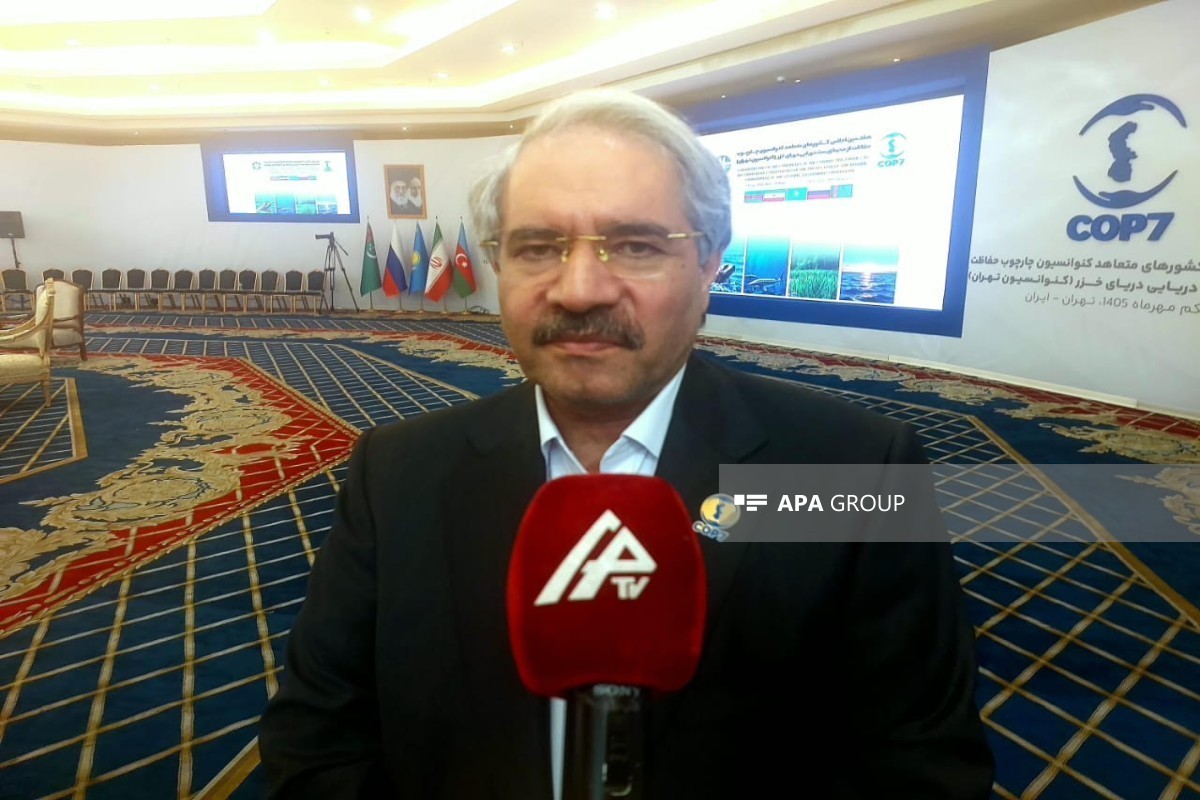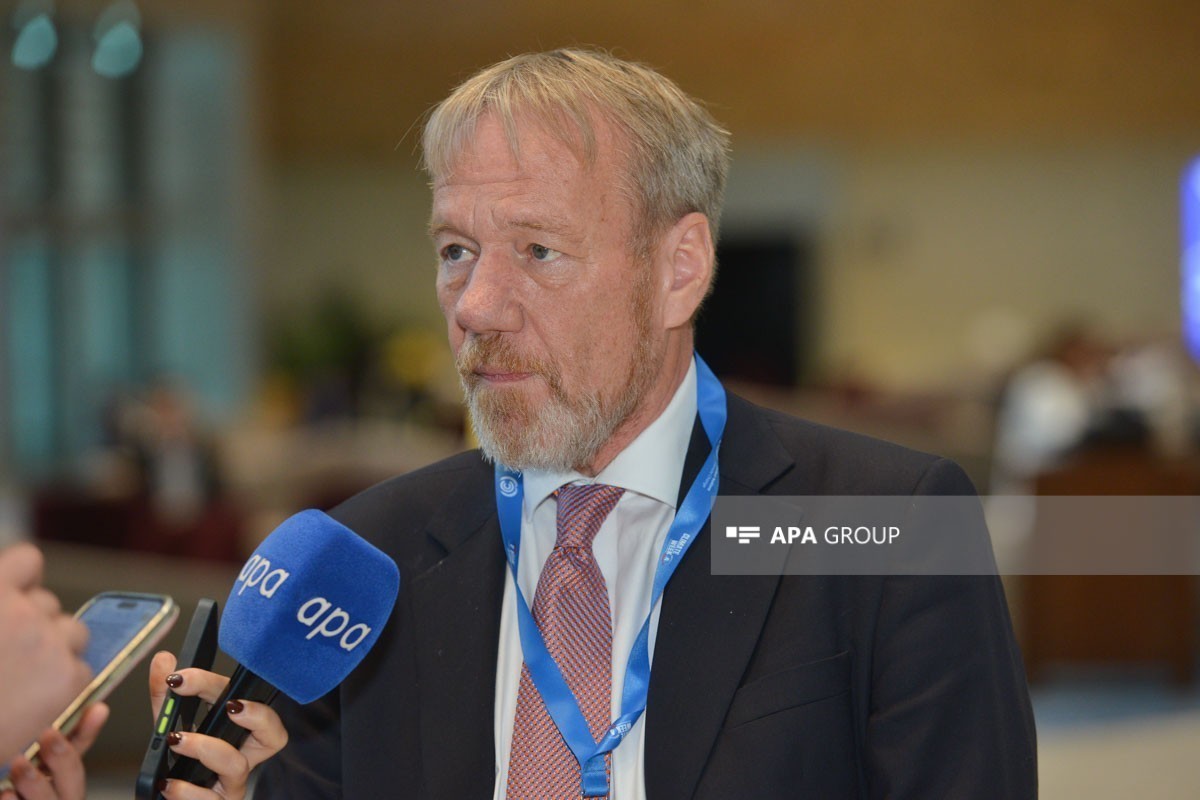


APA conducted an exclusive interview with Jens Nielsen, founder and CEO of the World Climate Foundation.
- Mr Nielsen, an important decision was adopted at COP29 to increase climate finance for developing countries to at least $300 billion annually by 2035. At the same time, efforts are envisaged to scale up financing from all sources to $1.3 trillion. In your opinion, what mechanisms will play a key role in translating these financial targets into real investments and concrete climate action?
- This is an important question. First of all, $300 billion is not enough. But I think it was a big step. Because we have been talking about $100 billion since COP15, held in Copenhagen in 2009. So I think this is significant progress. The first examples of using a mechanism that we call “catalytic capital” have been quite successful. Here, we use public finance or philanthropic capital to stimulate other investments at a later stage. In some cases, this approach has made it possible to increase financing by up to six times. Therefore, I would say that using blended finance, which combines different sources of capital, is very important. Capital needs to be structured in such a way that, at the initial stage, projects become more attractive to private investors from an investment perspective. Because globally, a large share of investment opportunities is concentrated in the private sector.
- What opportunities does the climate finance decision adopted at COP29 create to accelerate this transition, and how can the private sector play a more active role in this process?
- For example, we are implementing a platform called IMCA. Here, $500 million has been allocated by the governments of the Nordic countries and some philanthropic organizations. We use this public finance to create various risk-reduction mechanisms and then put these opportunities out to tender for private investors. Private investors submit their bids to invest in these projects. This approach has proven to be very successful.
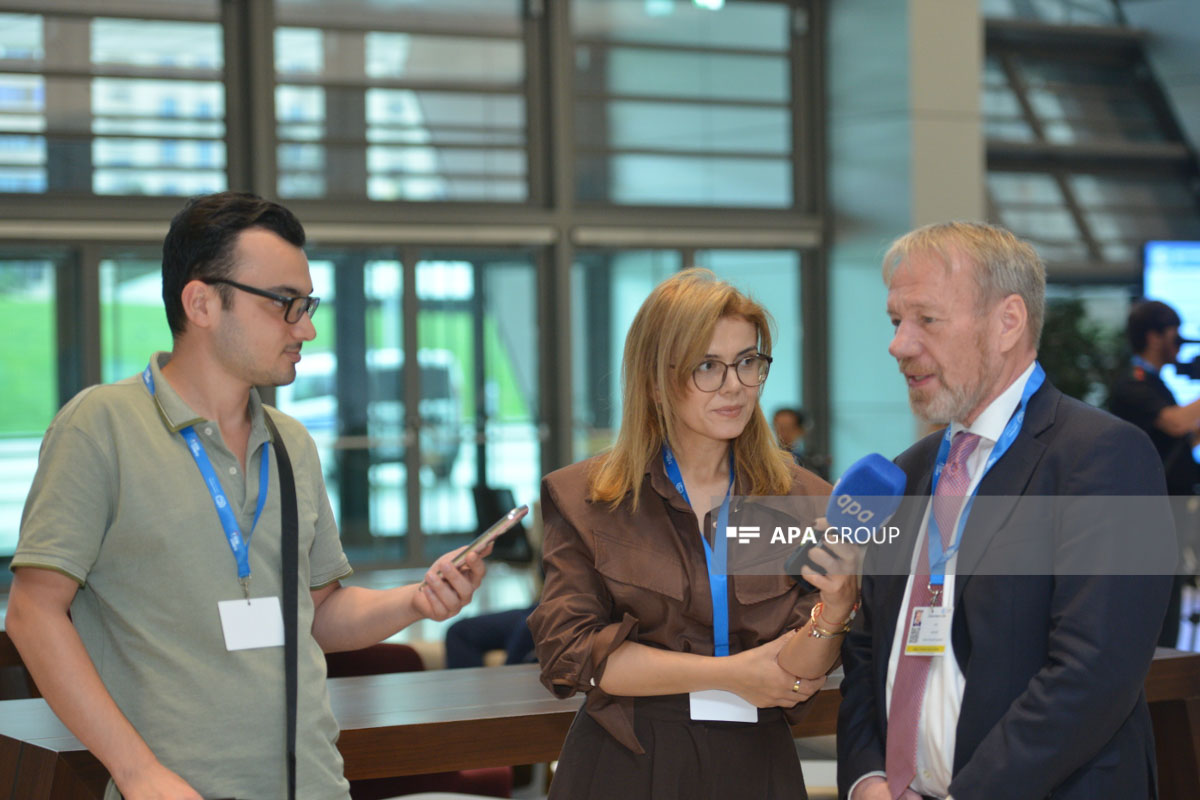
- Do you have any specific joint projects related to Azerbaijan? For example, have any agreements been reached on projects planned for implementation in Karabakh or other areas?
- We do not yet have such a specific project. However, in general, there is strong international interest in Azerbaijan, as well as in the Trans-Caspian Green Energy Corridor stretching across this part of Central Asia. I think this issue will also receive considerable attention at the next COP to be held in Türkiye.


 Follow us on Telegram
 t.me/apanewsaz
 Follow us on Instagram
 Follow us on TikTok
 Follow us on Facebook
 Follow us on X