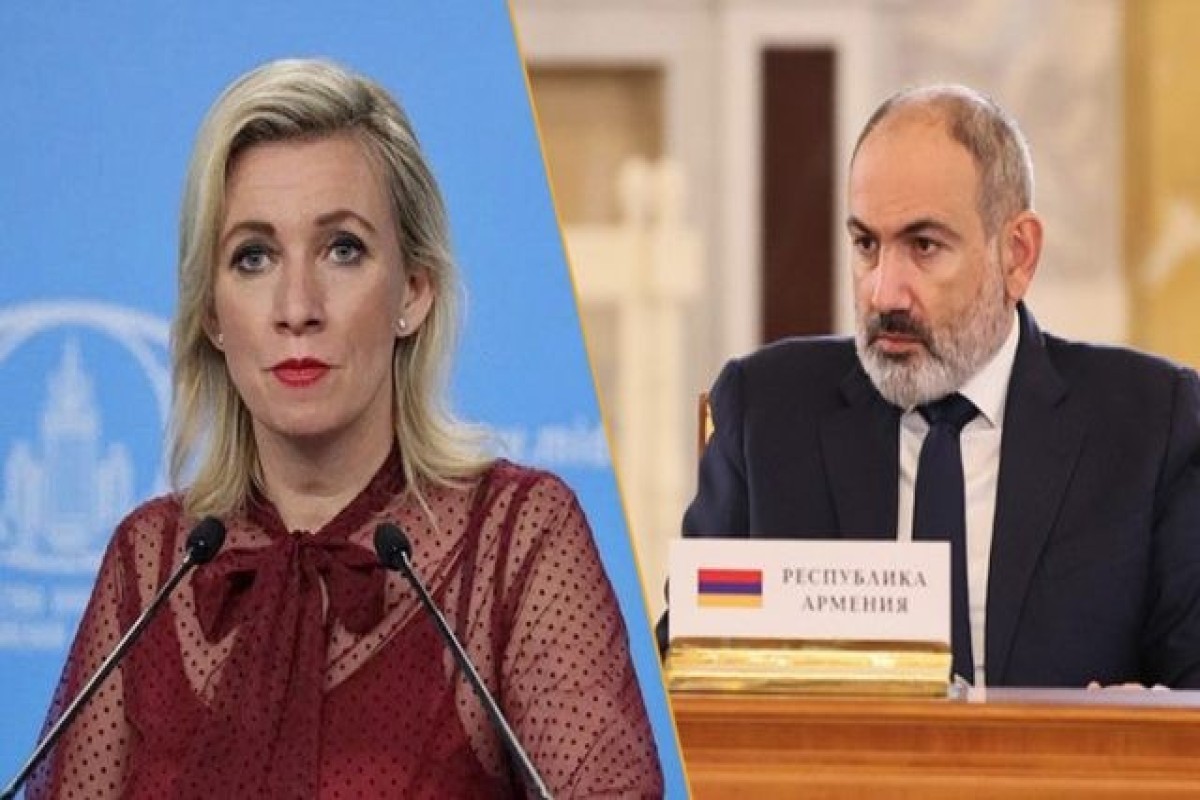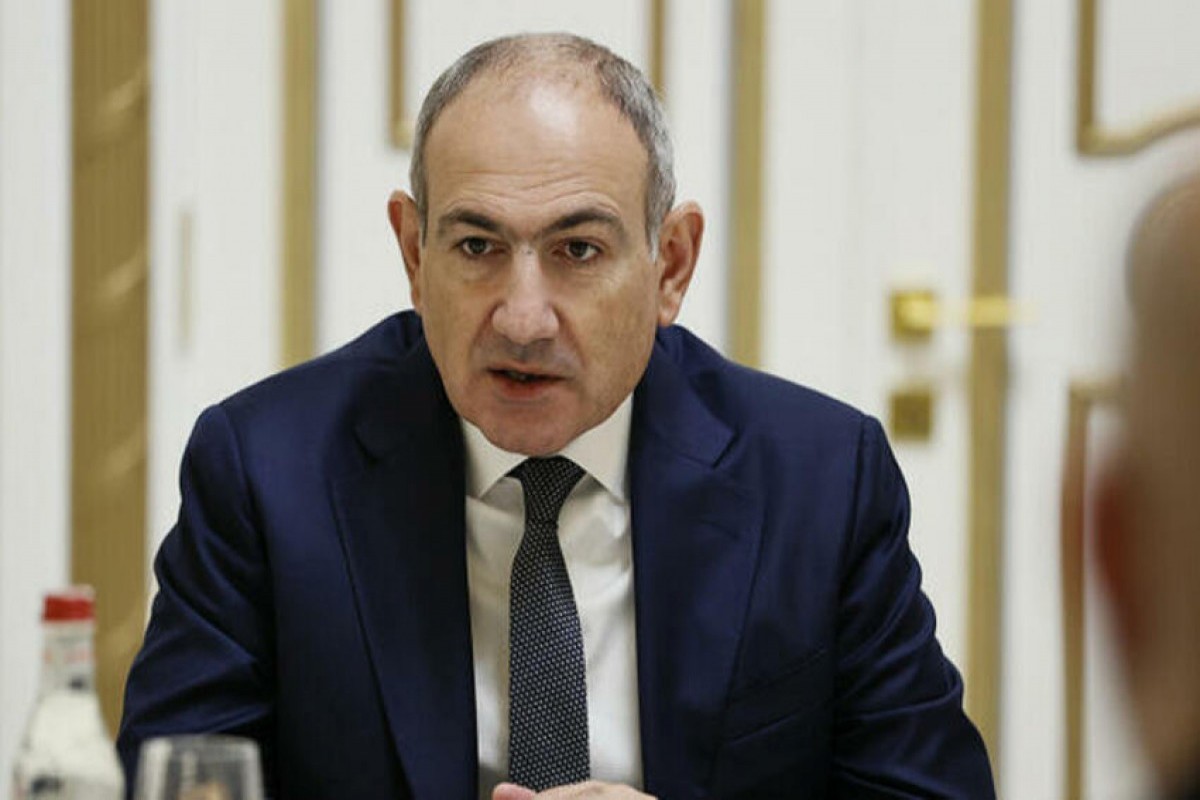

The Armenian government is discussing support measures for exporters amid restrictions on Armenian goods in Russia, with Prime Minister Nikol Pashinyan raising concerns over the functioning of the Eurasian Economic Union (EAEU) and warning that such trade barriers could seriously undermine the bloc’s core principles of the free movement of goods and services, Armenpress reports.
He also emphasized that Armenia is pursuing export diversification while continuing engagement within the EAEU, but expects clear answers from the bloc regarding recent developments affecting trade flows.
Pashinyan, speaking at the Cabinet meeting, warned that export restrictions targeting Armenian goods could have a fallout on perceptions of the bloc in other EAEU member states.
Warning of the potential union-wide fallout from Moscow’s decision, which he labeled a “misunderstanding,” PM Pashinyan said that restrictions imposed by Russia on imports from Armenia, as well as on the transit of Armenian goods through its territory to other EAEU countries, will at the very least cause serious concern in a number of EAEU member states.
The Cabinet meeting discussed support for businesses and the diversification of Armenia’s exports in the context of Russia’s restrictions. PM Nikol Pashinyan underscored that Armenia continues to work closely with the Eurasian Economic Union (EAEU) and will continue that work, and does not proceed from the assumption that something irreversible has happened in the EAEU market or that Armenia will stop looking in that direction.
“We will work very actively, and I am sure that solutions will be found, because if there are no solutions, it means something completely different—first and foremost for the Eurasian Economic Union. I would like to remind everyone that the EAEU is based on several conceptual principles: the free movement of labor, goods, services, and capital. If that is not the case, then there is no Eurasian Economic Union. And the EAEU must give a clear answer to this question—does it exist or not? We say that it exists, and as a participating state we believe that some misunderstanding has occurred. If the EAEU says, you know what, I no longer exist, then if it does not exist, what can we do? We exist, we are in the EAEU and we are working there. Now the EAEU must say whether it exists or not. If it says directly or indirectly that it does not, then what are we supposed to do? What is happening to us will cause very serious concern in at least several EAEU countries. At government meetings we talk about these diversification processes, and I am convinced that in a number of EAEU countries this process is already happening without being officially announced, because what is happening will be assessed by them as a risk they are facing,” Pashinyan said.
He stressed that there are indeed issues to be discussed within the EAEU framework and that he will use the upcoming opportunity to raise these discussions.
Pashinyan also said he has questions for his EAEU partners regarding a statement adopted about Armenia in his absence.
On May 29, at the EAEU summit, which Pashinyan skipped, the presidents of four EAEU member states—Russia, Kazakhstan, Belarus, and Kyrgyzstan—adopted a statement calling on Armenia to hold a referendum as soon as possible on choosing between the Eurasian Economic Union and the European Union. Pashinyan had earlier dismissed the proposal as unreasonable.
“Of course, I also have questions for our partners regarding the statement they adopted in my absence, and we need to understand what it means in practice. That is, we need to understand whether any EAEU country can make such decisions regarding another country—simply wake up and make decisions. In my assessment, if the answer to this question is yes, then the EAEU is announcing its self-dissolution. And we must draw conclusions from this. There must be a very clear answer: does the EAEU exist or not? If it exists, we will position ourselves; if not, there will be no need to position ourselves at all,” Pashinyan said.


 Follow us on Telegram
 t.me/apanewsaz
 Follow us on Instagram
 Follow us on TikTok
 Follow us on Facebook
 Follow us on X