







More than 340,000 have been forced to flee their homes amid continued hostilities and growing insecurity in Yemen, as restrictions on key transport routes threaten to further disrupt the delivery of life-saving assistance, the International Organization for Migration (IOM) warned today, reliefweb.int reports.
“Imagine having to leave everything behind, not knowing where your family will sleep that night or how you will find food and clean water for your children. This is the reality for hundreds of thousands of people in Yemen,” said Abdusattor Esoev, IOM Yemen Chief of Mission. “With access issues delaying the delivery of essential aid and humanitarian needs continuing to grow, we urgently need more support to reach these families before an already desperate situation gets worse.”
The latest displacement figures highlight the mounting toll of the crisis on communities already struggling after years of conflict. Almost all of those displaced originate from three governorates: Taiz, accounting for 224,819 people (66 per cent); Lahj, with 72,018 (21 per cent); Al Hodeidah, with 40,782 (12 per cent). Many have been displaced within their own governorates, placing additional pressure on communities already struggling to meet basic needs.
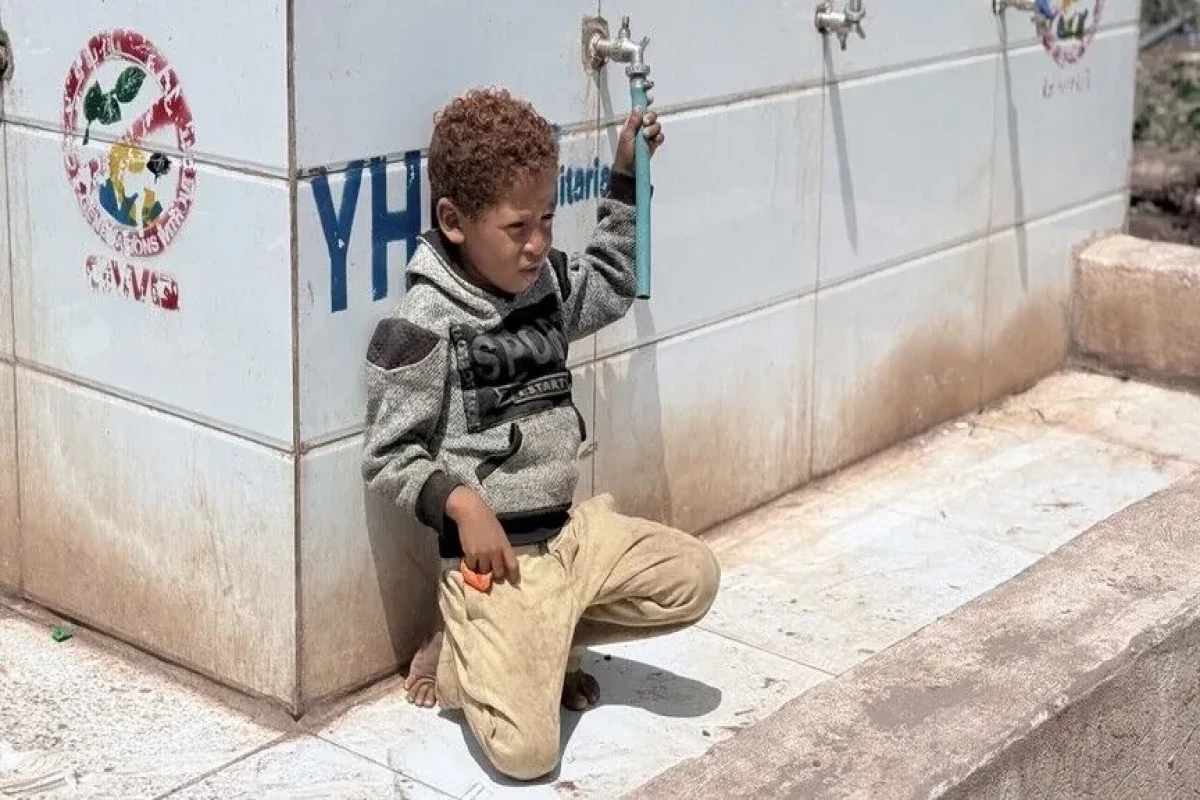
For families uprooted by violence, finding safety is only the first challenge. Many face an uncertain future without adequate shelter, reliable healthcare, or access to clean water. As displacement continues, the growing demand for essential services is stretching already limited resources, leaving humanitarian organizations struggling to keep pace.
Ongoing hostilities, insecurity and restrictions on key transport routes are compounding the crisis, delaying the delivery of essential supplies and making it harder for humanitarian teams to reach people in need. For displaced families already struggling to survive, these delays can mean going longer without the assistance they urgently need.
Despite these challenges, IOM continues to deliver emergency assistance across affected governorates. Since 1 August, IOM has worked with local authorities, UN partners and local organizations to provide emergency shelter, essential household items, clean water, sanitation and hygiene supplies, as well as cash assistance to help families meet their most urgent needs. Together, these efforts have reached 21,384 families.
IOM has also provided protection assistance to 8,242 vulnerable people and delivered 70,535 primary healthcare consultations, helping displaced families access essential medical services amid mounting pressure on the health system.
Through its Displacement Tracking Matrix (DTM), IOM continues to monitor displacement trends and share timely information with humanitarian partners and local authorities to help direct assistance where it is needed most. However, with needs outpacing available resources, sustained humanitarian access and additional funding are critical to preventing the situation from deteriorating further.
“Every day that assistance is delayed puts more families at risk,” said Esoev. “People need safety, access to essential services and the means to rebuild their lives. Without increased support, the gap between what families need and what we can deliver will only widen.”


 Follow us on Telegram
 t.me/apanewsaz
 Follow us on Instagram
 Follow us on TikTok
 Follow us on Facebook
 Follow us on X