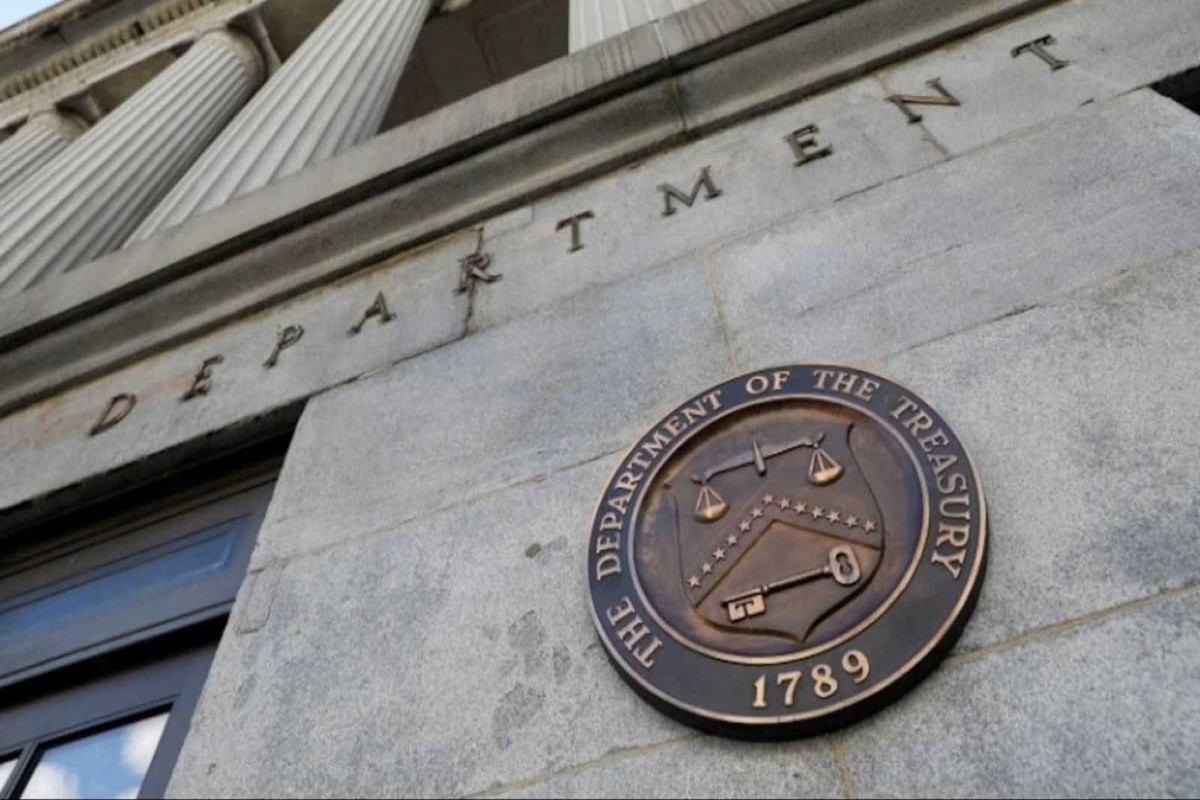





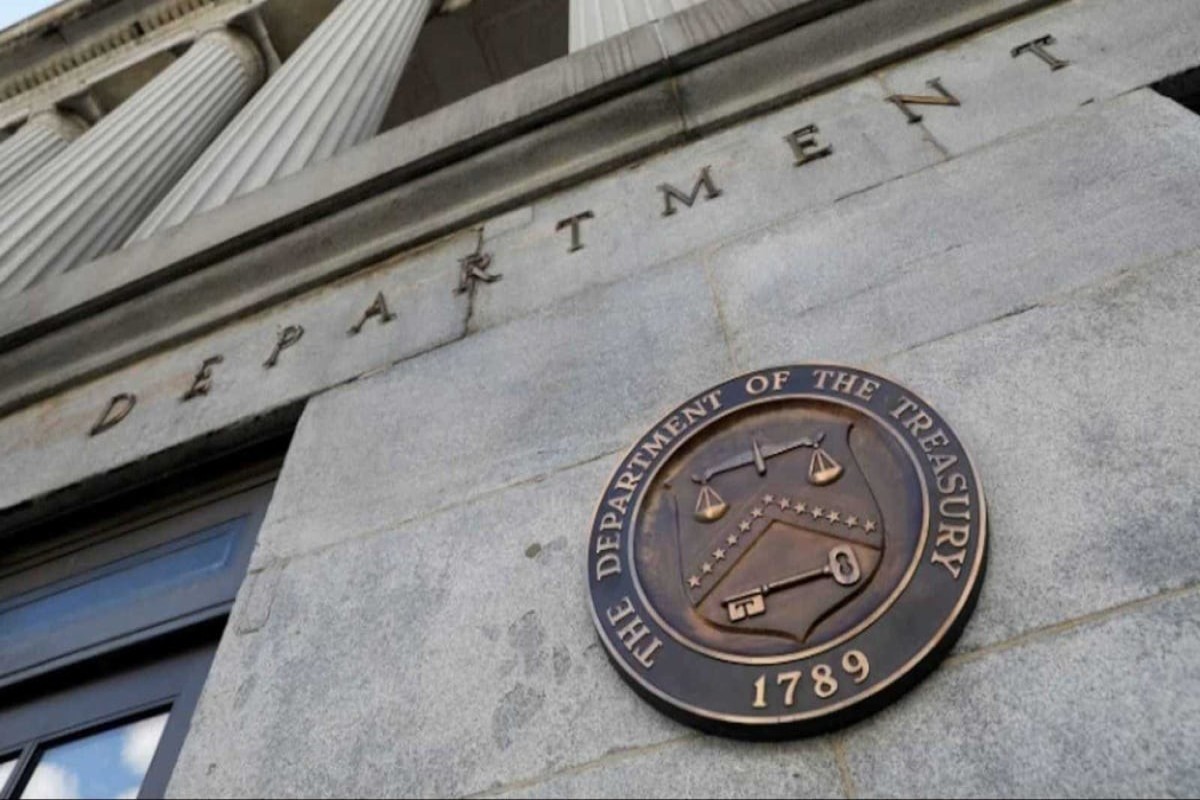


As reported by the U.S. Department of the Treasury, the Financial Crimes Enforcement Network, or FinCEN, issued an order that bars U.S. financial institutions from processing transmittals of funds to or from MEXC Global, tradersunion.com reports.
The move is part of Operation Economic Outcast and is intended to shield the U.S. financial system from what Treasury describes as significant illicit finance threats linked to the exchange.
Treasury said MEXC Global, founded in 2018, processes more than $1 billion in daily transactions as of September 2026 and holds about $5 billion in reserves, placing it among the world's 20 largest convertible virtual currency exchangers. The platform offers trading in more than 50 currencies and access to more than 3,000 cryptocurrencies and tokenized assets.
Secretary of the Treasury Scott Bessent said financial institutions must choose between supporting the Iranian regime and retaining access to the U.S. financial system. Treasury said the order takes effect 30 days after publication in the Federal Register, and violations can carry civil or criminal penalties.
Treasury said severe shortcomings in MEXC's anti-money laundering controls allowed the exchange to facilitate business for users in prohibited jurisdictions, despite stated policies barring activity tied to places including Iran and North Korea. Between May 2021 and May 2026, the department said, MEXC facilitated at least $16 billion in funds connected to sanctions evasion, cybercrime and other illicit activity.
That total includes nearly $1.5 billion tied to Russian sanctions evasion, including $232 million in direct transactions with entities sanctioned by the U.S., EU and UK, according to Treasury. The department also said MEXC continued processing transactions involving sanctioned Russian entity Garantex and its successor Grinex as recently as June 2026, and facilitated at least $26 million for the sanctioned A7 network as well as almost $200 million linked to the A7A5 stablecoin.
Treasury further said MEXC sent or received about $1 billion in direct transactions with more than 40 identified Iranian virtual currency exchangers between May 2021 and May 2026. It also said the platform handled around $22 million in transactions benefiting the Central Bank of Iran and the Islamic Revolutionary Guard Corps and its Qods Force, all of which are subject to U.S. and allied sanctions.
The order does not change existing obligations under the Bank Secrecy Act or sanctions programs administered by the Office of Foreign Assets Control.


 Follow us on Telegram
 t.me/apanewsaz
 Follow us on Instagram
 Follow us on TikTok
 Follow us on Facebook
 Follow us on X