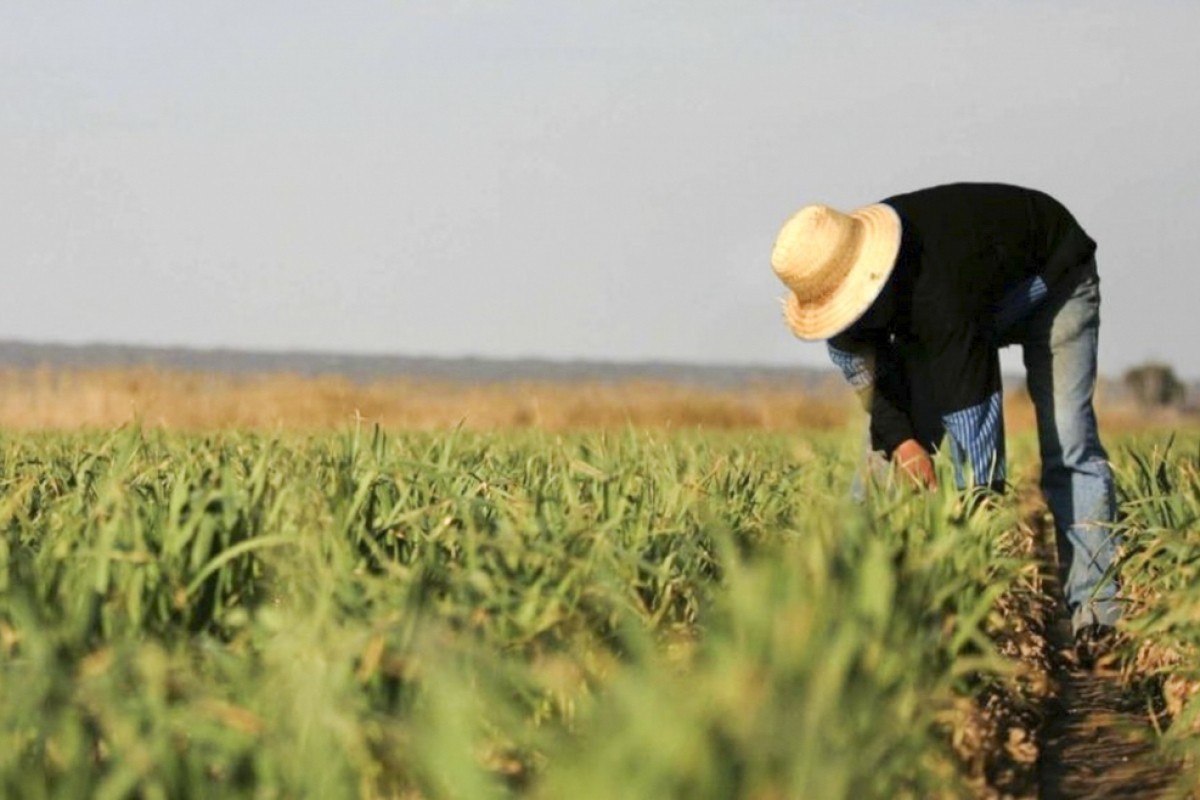






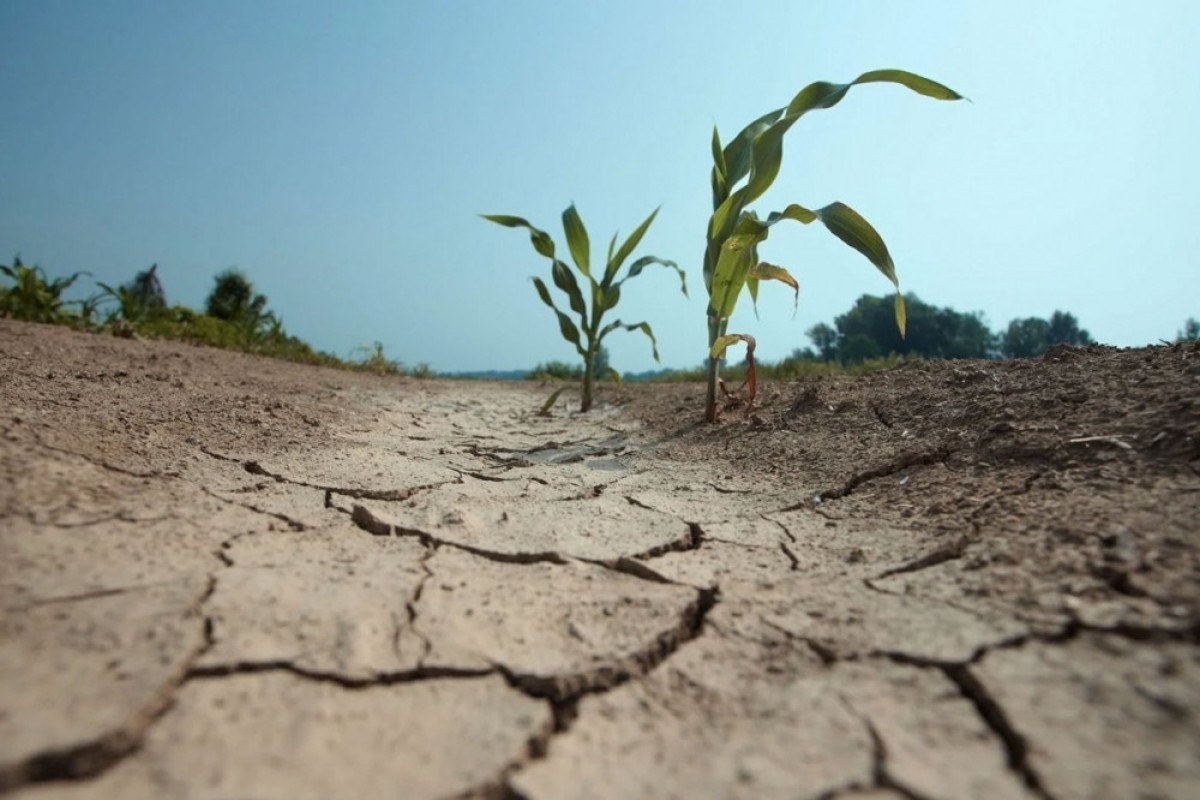


For the first time, measures to mitigate the impacts of climate change and adapt to them are being regulated in agricultural legislation, APA reports.
This is reflected in the draft law “On the Agricultural Sector,” which was submitted for discussion at today's session of the Milli Majlis.
According to the draft law, measures to combat climate change in the agricultural sector are as follows:
- Management and reuse of waste generated in the agricultural sector, as well as the use of the agricultural sector's capabilities in managing waste generated in other sectors;
- Establishment of protective forest belts;
- Application of environmentally friendly and resource-saving technologies aimed at reducing greenhouse gas emissions and negative environmental impacts, integrated plant protection, as well as expansion of the use of electric and other low-emission agricultural machinery;
- Expansion of the use of electric-powered agricultural machinery;
- Distribution of livestock farming across the country when planning it by region, taking into account greenhouse gas absorption and capture capacities, as well as promotion of projects aimed at reducing existing emissions in livestock farming;
- Raising awareness about the negative impacts of climate change on the agricultural sector;
- Expansion of international cooperation in the agricultural sector.
According to the draft law, the following measures are envisaged in the agricultural sector to adapt to climate change:
- Development of climate change-resistant plant varieties and animal breeds, and promotion of projects in this direction;
- Establishment of early warning systems for hazardous hydrometeorological events that could cause natural disasters;
- Efficient use of water resources, as well as expansion of opportunities to use alternative water sources.
The draft law was put to a vote and adopted in the first reading.


 Follow us on Telegram
 t.me/apanewsaz
 Follow us on Instagram
 Follow us on TikTok
 Follow us on Facebook
 Follow us on X